
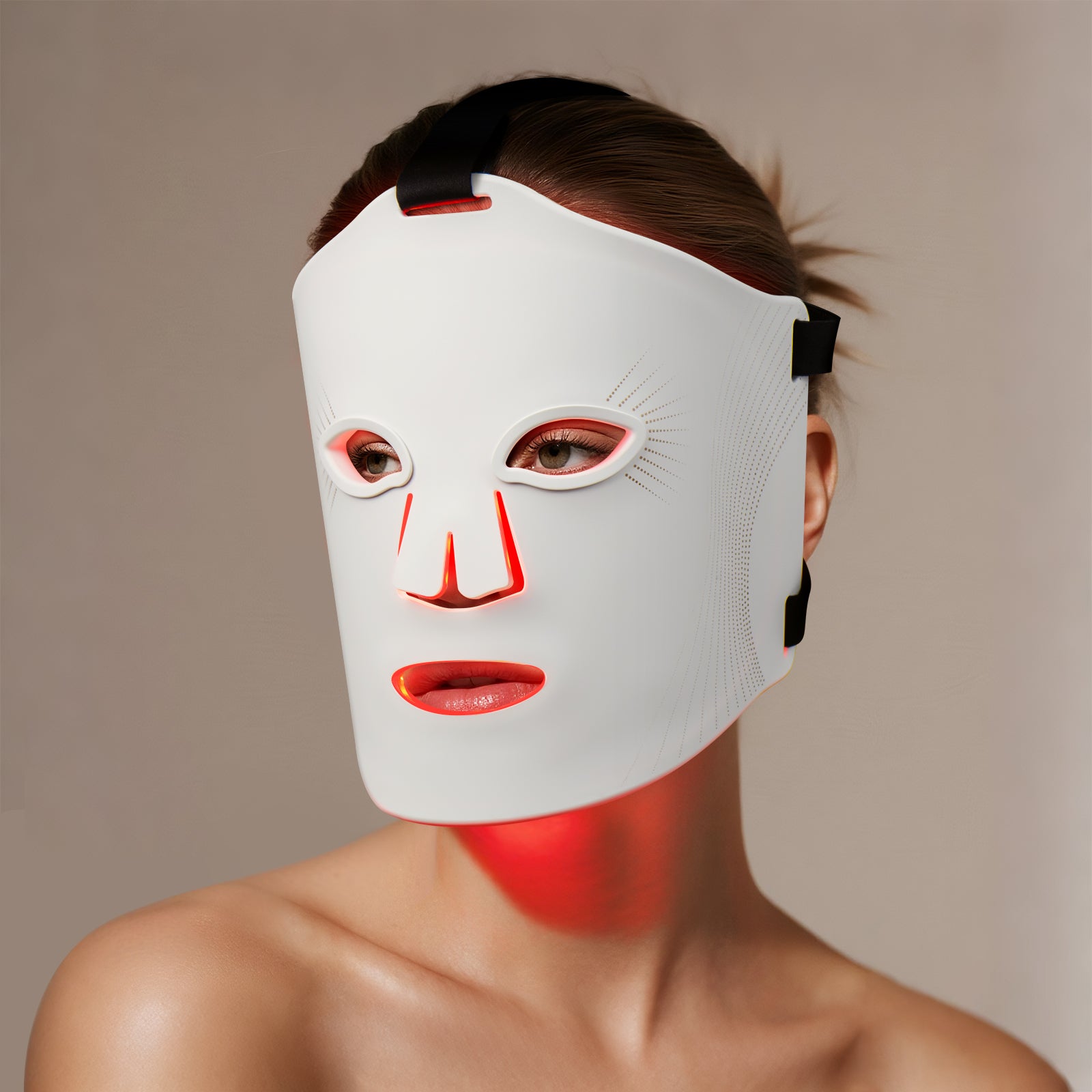

LED light therapy has become one of the most talked-about at-home skincare technologies in recent years. From improving skin tone and texture to supporting clearer-looking skin, LED face masks promise professional-inspired treatments without clinic visits.
As demand has grown, so has the number of products on the market—ranging from extremely inexpensive devices to carefully engineered mid-range options. This raises an important question for consumers: what are you really getting at different quality levels, and where do the differences actually matter?
This guide breaks down the key distinctions in a clear, practical way—without hype or fear-based marketing—so you can make a more informed decision.
1. LED Wavelength Consistency: Where Results Begin

LED therapy works because specific wavelengths of light interact with skin at predictable depths. For example, red light typically supports collagen-related processes, while blue light is often used for blemish-prone skin.
The challenge is not simply emitting colored light—but emitting the correct wavelength consistently.
Lower-quality devices often rely on simplified LED chips that vary in output. While the light may appear red or blue to the eye, the actual wavelength can fluctuate, leading to uneven exposure across the face. This inconsistency may reduce effectiveness over time.
Well-designed mid-range devices tend to use calibrated LEDs with tighter wavelength ranges. The goal is not intensity alone, but stability and uniformity, helping ensure the light delivered is closer to what skincare research is based on.
Key takeaway: Visible color is not the same as wavelength precision. Consistency matters more than brightness.
2. Coverage and Fit: Light Only Works Where It Reaches
Another major difference lies in how the mask fits the face.
Many low-cost designs use flat or rigid shells that leave gaps around the cheeks, jawline, or nose. These gaps can result in uneven light distribution, meaning some areas receive less exposure while others receive more.
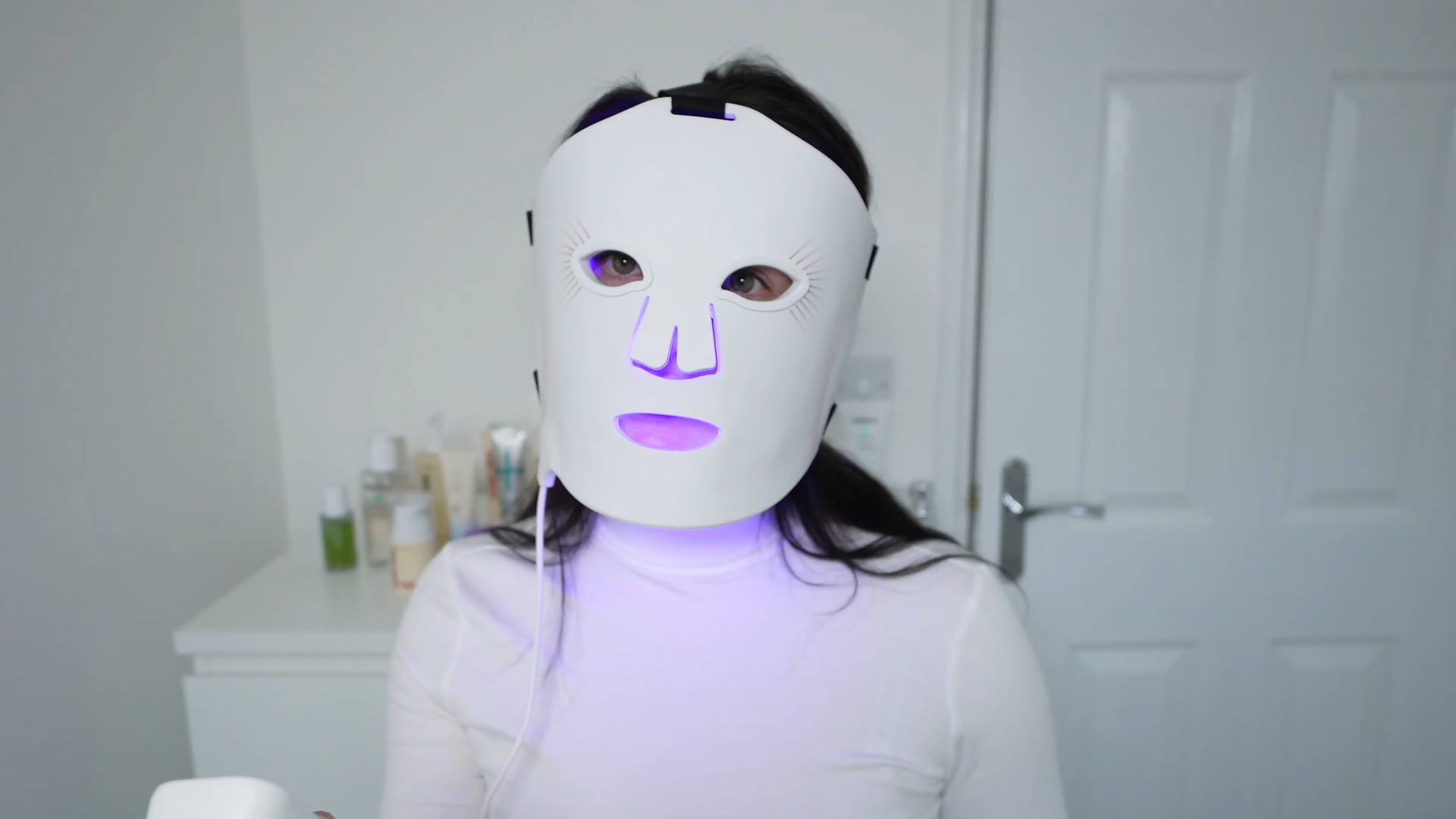
Mid-range devices typically focus on facial contour alignment, flexible structures, or ergonomic shaping. This helps the LEDs sit at a more consistent distance from the skin, improving overall coverage and comfort during use.
Better fit also means users are more likely to complete full sessions regularly—an often overlooked factor in long-term results.
Key takeaway: Even light coverage and comfort directly affect consistency of use and overall experience.
3. Materials and Skin Safety: More Than Just Comfort
Because LED masks sit directly on the face, materials matter.
Inexpensive devices may use lower-grade plastics or silicones without long-term skin-contact testing. Over time, this can lead to irritation, pressure marks, or discomfort—especially for sensitive skin users.
Mid-range devices are more likely to use skin-safe, tested materials, with smoother finishes and better weight distribution. While this does not make the device “medical-grade,” it does reduce unnecessary risk during repeated use.
This is especially important for people using LED therapy multiple times per week as part of a skincare routine.
Key takeaway: Skin-contact materials affect comfort, tolerance, and long-term usability.
4. Durability and Long-Term Use: The Hidden Cost Factor
One of the most overlooked differences is durability.
Lower-cost LED masks may work initially, but often use basic wiring, limited heat management, and lower-quality power components. Over time, LEDs may dim, fail unevenly, or stop functioning altogether.
Mid-range devices are generally designed for repeated, long-term use, with more stable internal structures and better power control. This doesn’t mean they last forever—but they are less likely to degrade quickly with normal use.
When evaluating value, lifespan is just as important as upfront cost.
Key takeaway: A device that lasts longer and performs consistently often offers better real-world value.
Is More Expensive Always Better?
Not necessarily. A higher price alone does not guarantee better performance, safer materials, or smarter design. Marketing, packaging, and brand positioning can all inflate cost without improving function.
However, extremely low-priced devices often reflect compromises—in LED consistency, fit, materials, or durability. These compromises may not be obvious at first glance, but they tend to show over time.
The most practical choice for many consumers is a balanced mid-range device—one that prioritizes engineering, safety, and usability without unnecessary luxury markups.
A Balanced Approach to At-Home LED Therapy

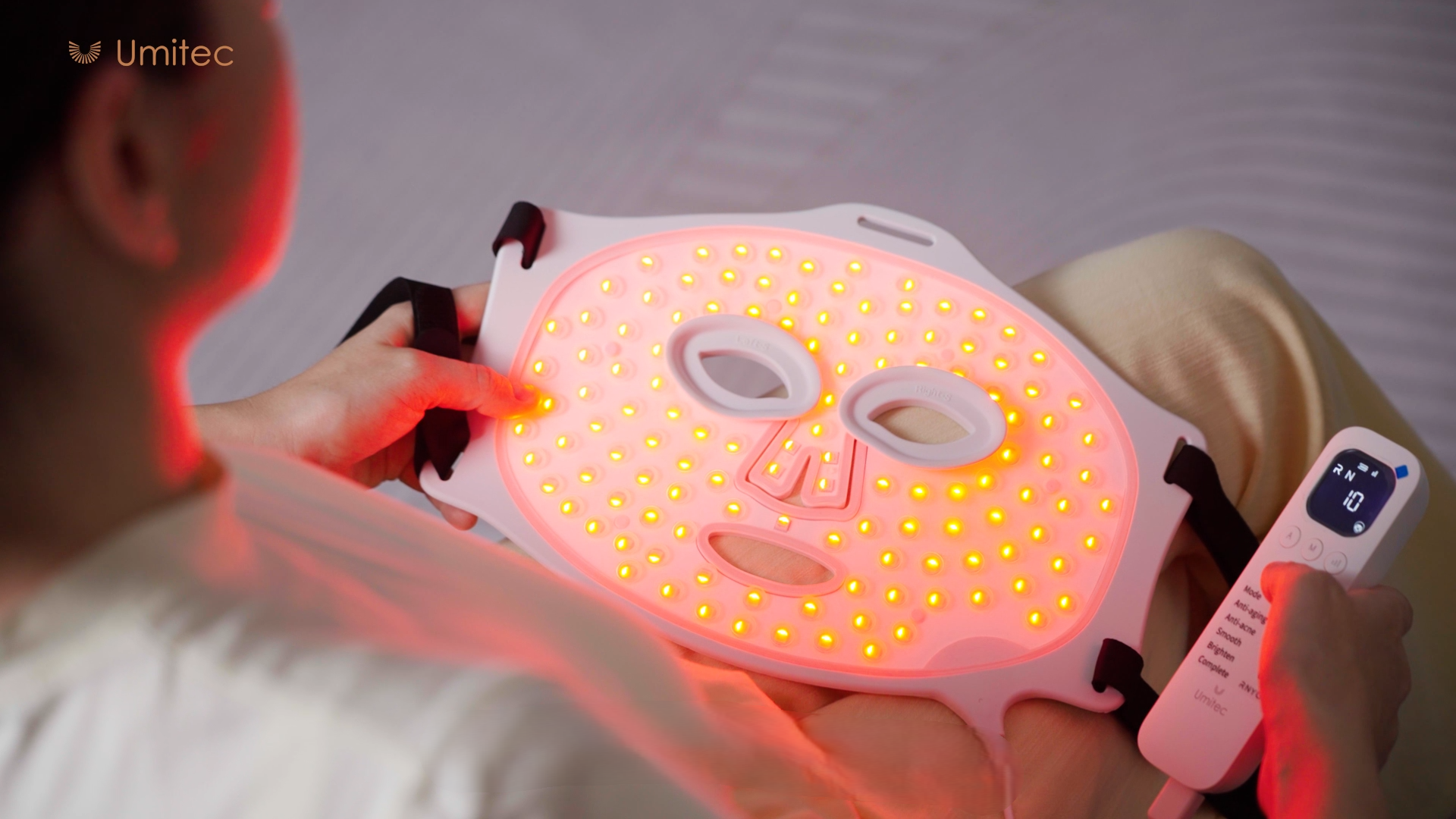
Devices like the Umitec LED Therapy Face Mask are designed to sit in this middle ground. Rather than focusing on extremes, the emphasis is placed on:
-
Stable, consistent LED output
-
Comfortable facial fit and coverage
-
Skin-conscious materials
-
Practical durability for regular use
This type of approach aligns well with consumers who want reliable performance and thoughtful design—without assuming that either the cheapest or the most expensive option is automatically the best.
Final Thoughts
Choosing an LED face mask is less about chasing trends and more about understanding how design choices affect real-world use. Consistency, comfort, safety, and longevity are often more important than marketing claims or price labels.
An informed decision starts with asking the right questions—and recognizing that balance is often where the best value lives.
If you have questions about LED therapy or device usage, our support team can help.

Leave a comment
This site is protected by hCaptcha and the hCaptcha Privacy Policy and Terms of Service apply.