



Home skincare technology has come a long way, and LED light therapy masks are one of the more interesting developments — not because they're new, but because the research behind them has finally started catching up to the marketing. If you're considering one, here's an honest look at how they work, what they can realistically do, and whether one might suit your skin concerns.
What Is an LED Light Therapy Face Mask?
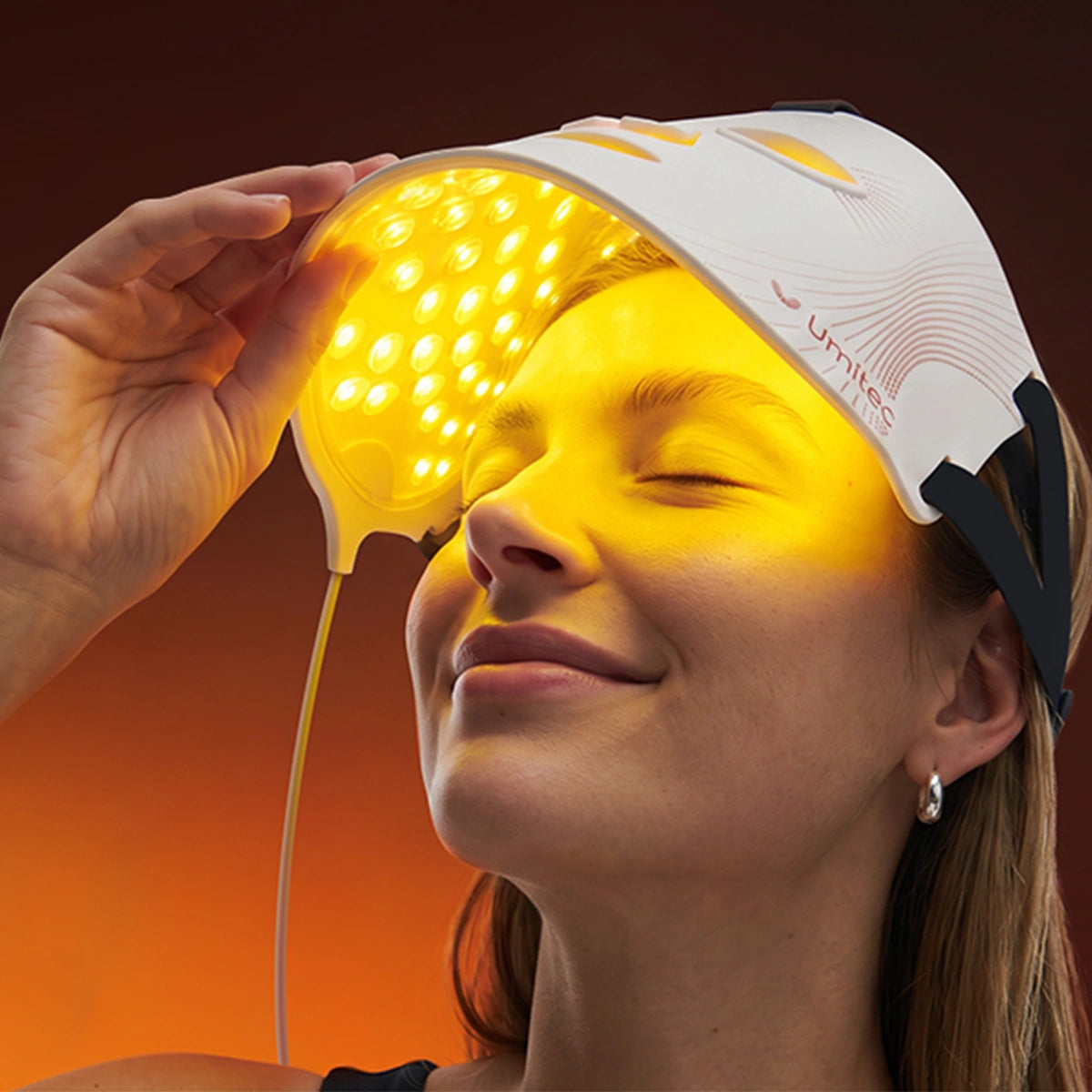
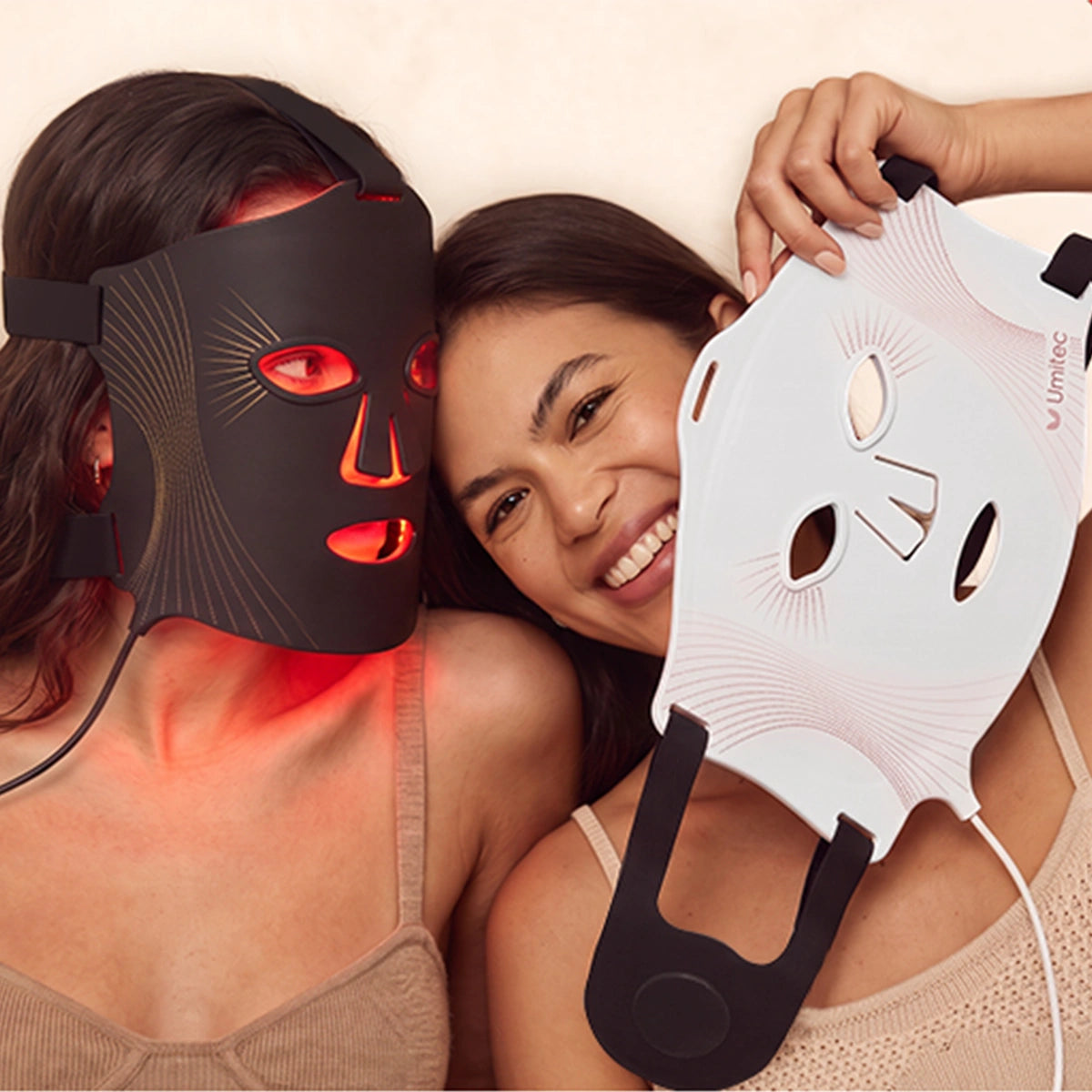
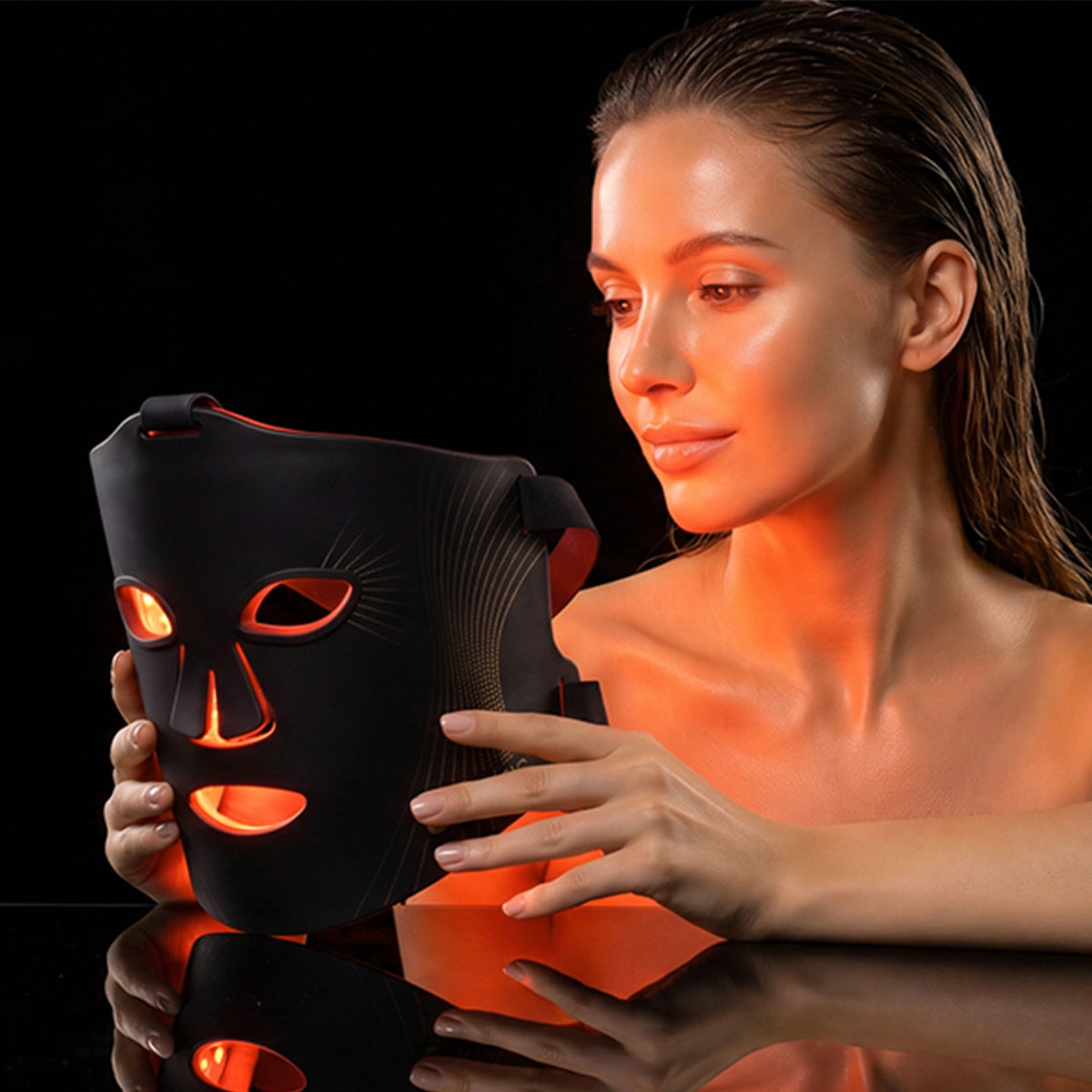
An LED light therapy mask is a wearable device that emits specific wavelengths of light onto your skin. You wear it for short sessions — typically 10 to 20 minutes — and over weeks of consistent use, the light is intended to trigger biological changes in your skin cells.
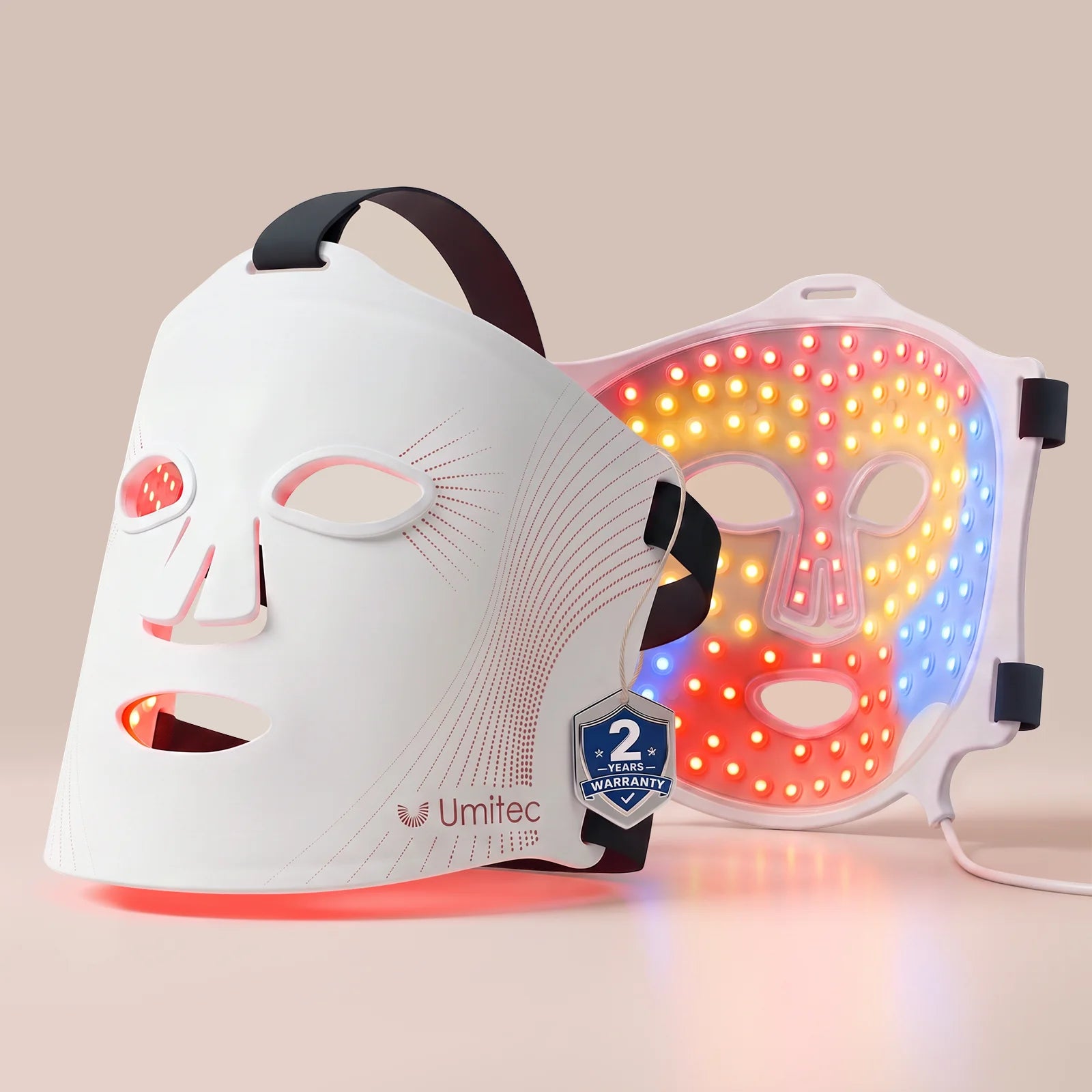
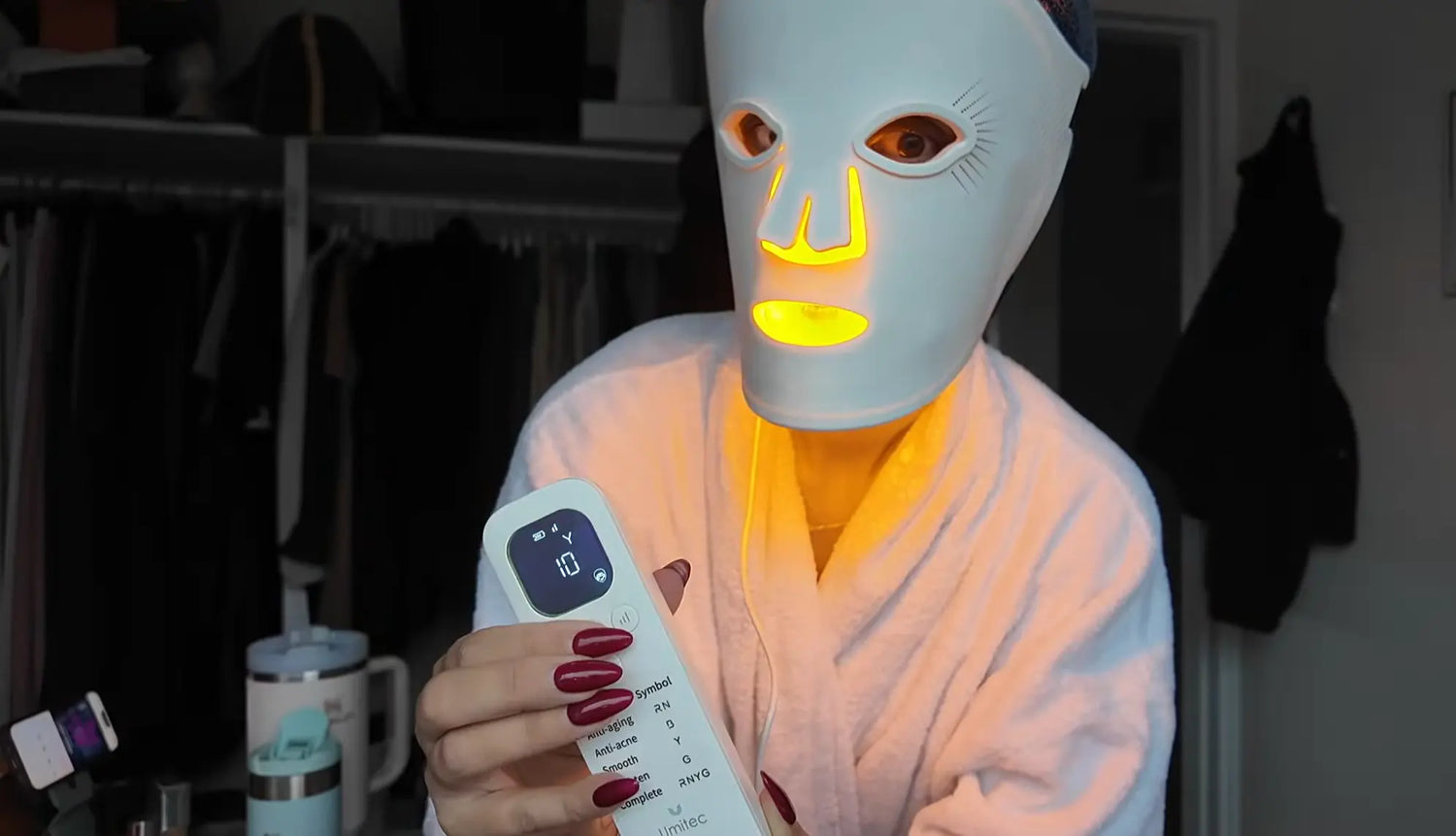
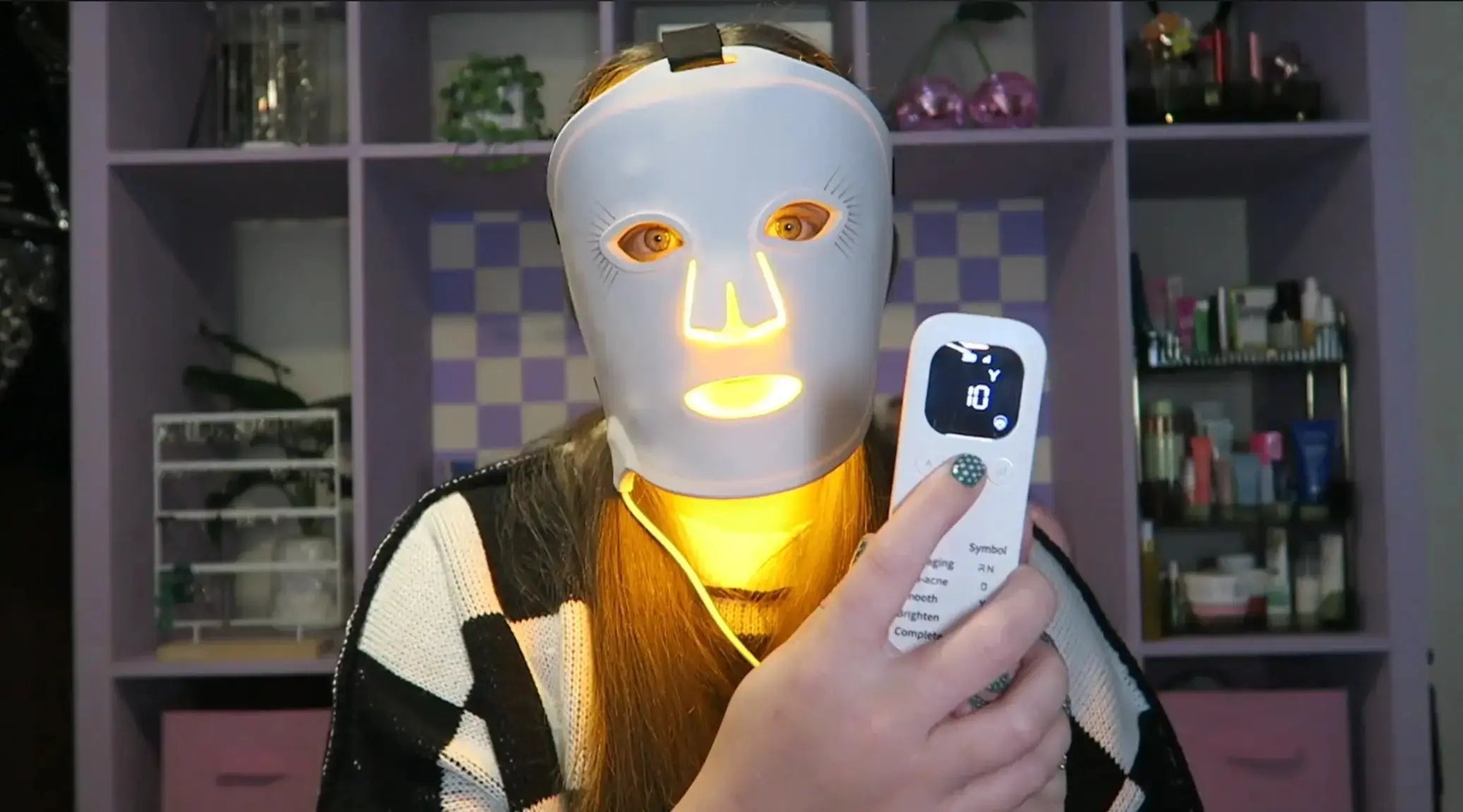
They come in three main forms: rigid hard masks, which hold their shape and tend to distribute light more evenly; soft silicone masks, which conform to the face more comfortably; and handheld wands, which trade full-face coverage for precision on specific spots. None is universally better — it depends on what you're treating and how you prefer to use it.
How the Light Actually Works
The mechanism is called photobiomodulation. In plain terms: certain light wavelengths penetrate the skin to different depths and interact with cells in ways that can stimulate repair and reduce inflammation.
It's not a heating effect or a surface treatment like a chemical exfoliant. The light is absorbed by cellular components — particularly mitochondria — which then produce more cellular energy. That energy supports processes like collagen synthesis and tissue repair. The effect is real, but it's gradual and cumulative, not immediate.
The Three Main Wavelengths
Blue light (~415 nm) penetrates only the outermost skin layers. It's primarily used for acne because it targets Cutibacterium acnes, the bacteria responsible for inflammatory breakouts. It also has some anti-inflammatory effect on the surrounding skin. If your main concern is active acne, blue light is the relevant wavelength.
Red light (630–650 nm) reaches into the dermis. At this depth, it can stimulate fibroblasts — the cells responsible for producing collagen and elastin. This is the wavelength most associated with anti-aging results: reduced fine lines, improved skin firmness, and smoother texture over time.
Near-infrared light (830–1072 nm) goes deepest. It supports tissue repair, reduces oxidative stress, and may enhance the effects of red light when used together. You generally can't see near-infrared light, which sometimes makes people skeptical that it's doing anything — it is, just not visibly.
What It Can Realistically Do for Wrinkles
Red and near-infrared light therapy has the most consistent research support for anti-aging applications. Multiple peer-reviewed studies have shown measurable increases in collagen density and reductions in fine line depth after several weeks of regular use — particularly around the eyes and nasolabial folds.
That said, the effect size matters. LED therapy at home won't replicate the intensity of a clinical device. Home-use masks operate at lower irradiance levels for safety, which means you need more time and consistency to see comparable results. Most studies showing positive outcomes involved daily or near-daily sessions over 8 to 12 weeks. People who use a mask twice a week for a month are unlikely to see much.
Beyond Wrinkles: Other Skin Benefits
For acne-prone skin, the combination of blue light (targeting bacteria) and red light (reducing inflammation) can meaningfully reduce breakout frequency and redness. This doesn't replace topical treatments for moderate-to-severe acne, but as an adjunct it's well-tolerated and non-irritating — which matters for people whose skin can't handle stronger actives.
Some users also report improvement in skin tone evenness and overall texture, which may reflect the general anti-inflammatory effect rather than any one specific mechanism.
One underappreciated benefit: LED therapy is one of the few skincare interventions that's genuinely gentle. No peeling, no purging, no adjustment period. For people with reactive or sensitive skin who can't tolerate retinoids or acids well, this is worth noting.
Features Worth Paying Attention To
When comparing masks, a few specifications actually matter:
- LED density and irradiance: More LEDs isn't always better if the power per LED is low. Look for published irradiance values (mW/cm²) rather than just LED counts.
- Eye protection: Essential. Some wavelengths, particularly near-infrared, can be damaging to eyes with repeated exposure. Built-in eye shields or separate goggles should be non-negotiable.
- Coverage area: Hard masks typically cover more evenly; soft masks may have gaps around the nose or jaw depending on fit.
- Session length and auto-shutoff: 10–20 minutes is the standard evidence-based range. Longer doesn't mean more effective.
How to Use One Effectively
Start with cleansed skin — no heavy serums or oils beforehand, as these can block light penetration. Use the mask for the recommended session duration, wear the provided eye protection, and follow up with your usual moisturizer or serum.
For anti-aging goals, aim for at least 4–5 sessions per week. For acne, 3–4 sessions is typically sufficient. Give it at least 8 weeks before evaluating results — skin turnover is slow, and collagen remodeling more so.
Who Should Think Twice Before Using One
LED therapy is not appropriate for everyone. Specific situations where you should consult a doctor first or avoid it entirely:
- Autoimmune conditions (particularly lupus): photosensitivity is a common feature, and light therapy can trigger flares
- Photosensitizing medications: certain antibiotics (tetracyclines), some retinoids, diuretics, and NSAIDs can increase light sensitivity
- Active skin conditions like rosacea or eczema in a flare: the heat and light exposure may worsen irritation
- Pregnancy: insufficient safety data exists for this population
If you're on any long-term medication, checking with your prescribing physician before starting is straightforward and worth doing.
Realistic Risks
Side effects from LED therapy are generally mild: some users experience temporary redness, dryness, or mild headaches from the light exposure. Hyperpigmentation is a risk with blue light specifically if overused, particularly on deeper skin tones. Overheating is possible if session lengths are exceeded.
The bigger risk is probably financial rather than physical — spending $200–$400 on a device and abandoning it after two weeks because results aren't instant.
Device Comparison
| Type | LED Count & Wavelengths | Notable Features | Typical Price Range |
|---|---|---|---|
| Rigid Hard Mask | 100+ LEDs, Red/Blue/Near-Infrared | Even coverage, eye shields, cooling pads | $250–$400 |
| Soft Silicone Mask | 80–120 LEDs, multi-mode | Comfortable fit, USB-C charging | $150–$300 |
| Handheld Wand | 20–40 LEDs, Red/Near-Infrared | Portable, targeted use | $80–$200 |
For most people starting out, a mid-range soft mask covers the main use cases. Handheld wands are better as a complement to a full mask, not a replacement. High-end rigid masks are worth the premium mainly if even LED distribution and additional features like cooling are priorities for you.
The Bottom Line on Who This Is For
LED therapy masks make the most sense for:
- People dealing with mild-to-moderate acne who want a gentle, non-irritating complement to their routine
- Those focused on early-to-moderate signs of aging who are willing to commit to consistent long-term use
- People with sensitive skin who can't tolerate more aggressive treatments
They're probably not worth the investment if you're looking for dramatic or rapid results, have severe acne or deep wrinkles (where clinical treatments are more appropriate), or know from experience that you won't stick to a consistent routine.
The science is genuinely promising — more so than many skincare categories. Just go in with accurate expectations.
Note: This article is for informational purposes only and does not constitute medical advice. Consult a dermatologist if you have specific skin health concerns.


Leave a comment
All comments are moderated before being published.
This site is protected by hCaptcha and the hCaptcha Privacy Policy and Terms of Service apply.