



You have invested in both aesthetic procedures and an at-home LED therapy routine — and somewhere in between, you have almost certainly received advice that was either too vague to act on ("wait a few days") or so cautious as to be useless ("ask your provider before using any skincare devices"). Neither answer tells you what you actually need to know: exactly how long to wait, and why that specific interval matters for that specific procedure.
This guide provides those answers — procedure by procedure, with the reasoning behind each waiting period — so that you can resume your LED routine with confidence rather than guesswork.
Why timing matters: the underlying logic
LED therapy works by stimulating cellular activity — fibroblast function, microcirculation, and the skin's inflammatory and repair response. Immediately after an aesthetic procedure, these same systems are already in an active, directed healing state. Introducing additional light stimulation too early does not necessarily cause harm, but it can interfere with the specific process the procedure is designed to initiate. For injectables, there is a secondary consideration: the product needs to stabilize in its intended location before the face is subjected to pressure, heat, or manipulation. Understanding this logic — that waiting periods protect the procedure's results as much as the skin itself — makes the specific timelines easier to follow.
Procedure-by-procedure timing reference
When LED therapy actively supports post-procedure recovery
The framing of LED therapy as something to "avoid after procedures" misses an important part of the picture. For several aesthetic treatments, red and near-infrared light therapy is not merely safe after the waiting period — it is documented to enhance recovery outcomes. A 2024 study from the University of California Irvine (Soliman et al., published in Lasers in Medical Science) demonstrated that combined red, blue, and near-infrared LED photobiomodulation significantly accelerated wound healing speed following superficial ablative fractional resurfacing — one of the more intensive skin resurfacing procedures. Treated subjects showed faster wound closure and higher rates of complete healing compared to controls.
Microneedling is the most well-established example: the channels created by microneedling temporarily increase skin permeability and initiate a collagen-remodeling cascade. Red light at 630nm, applied 48 hours later, activates the fibroblast activity that microneedling has primed — the two treatments address the same collagen repair pathway from different directions. Superficial chemical peels show a similar dynamic: once the 12–24 hour acute window has passed, red and near-infrared light supports barrier repair and reduces the post-peel redness and sensitivity that many users find persists for several days.
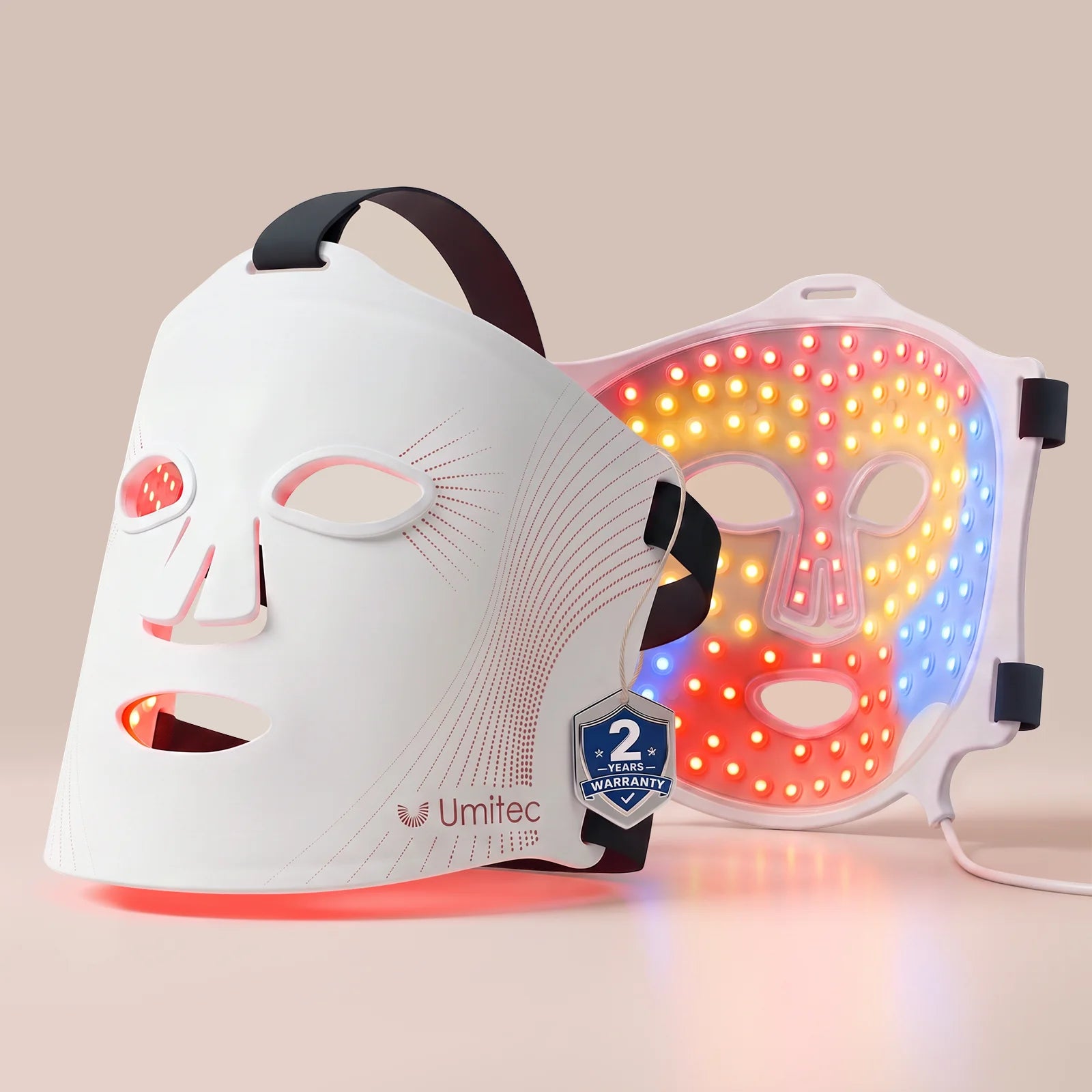
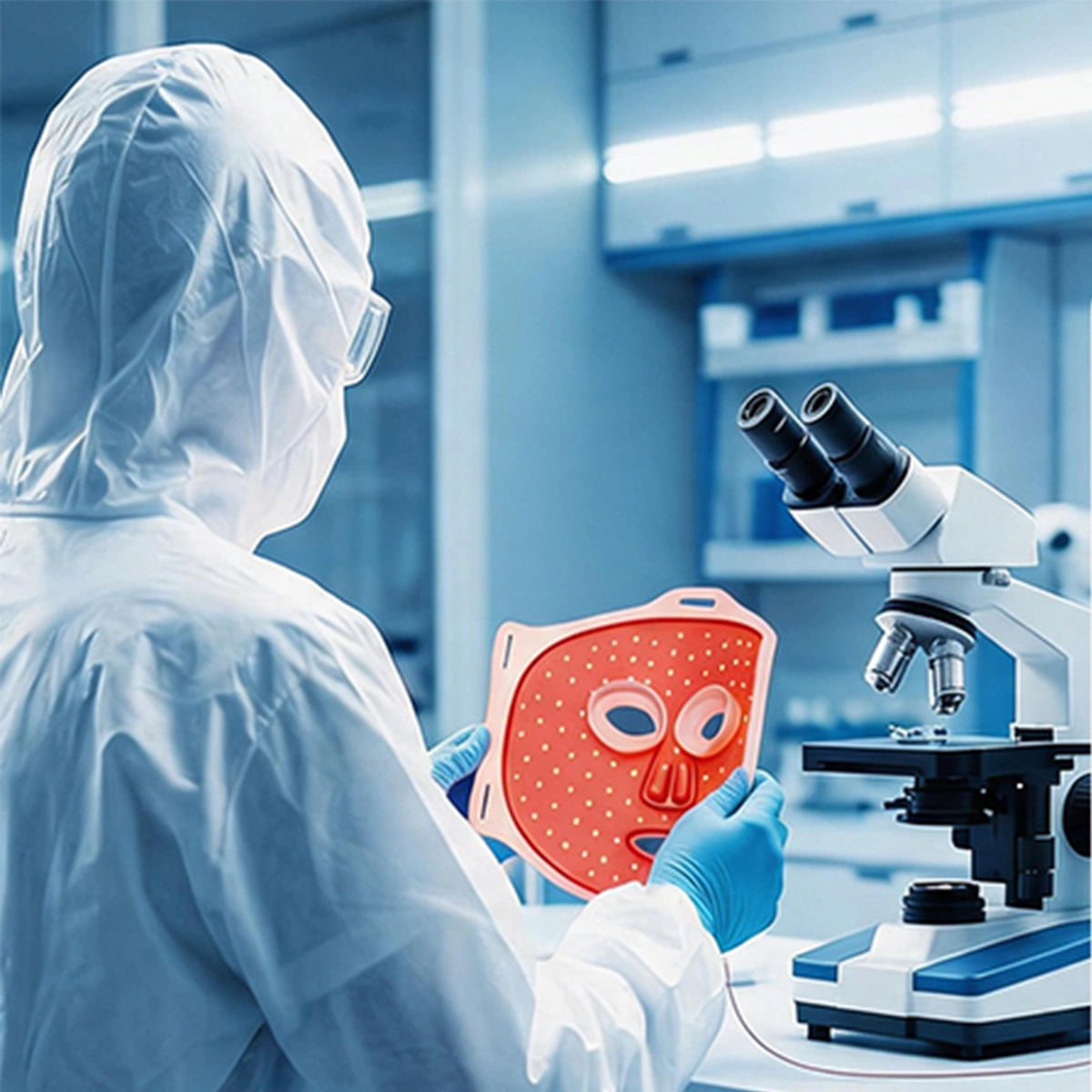
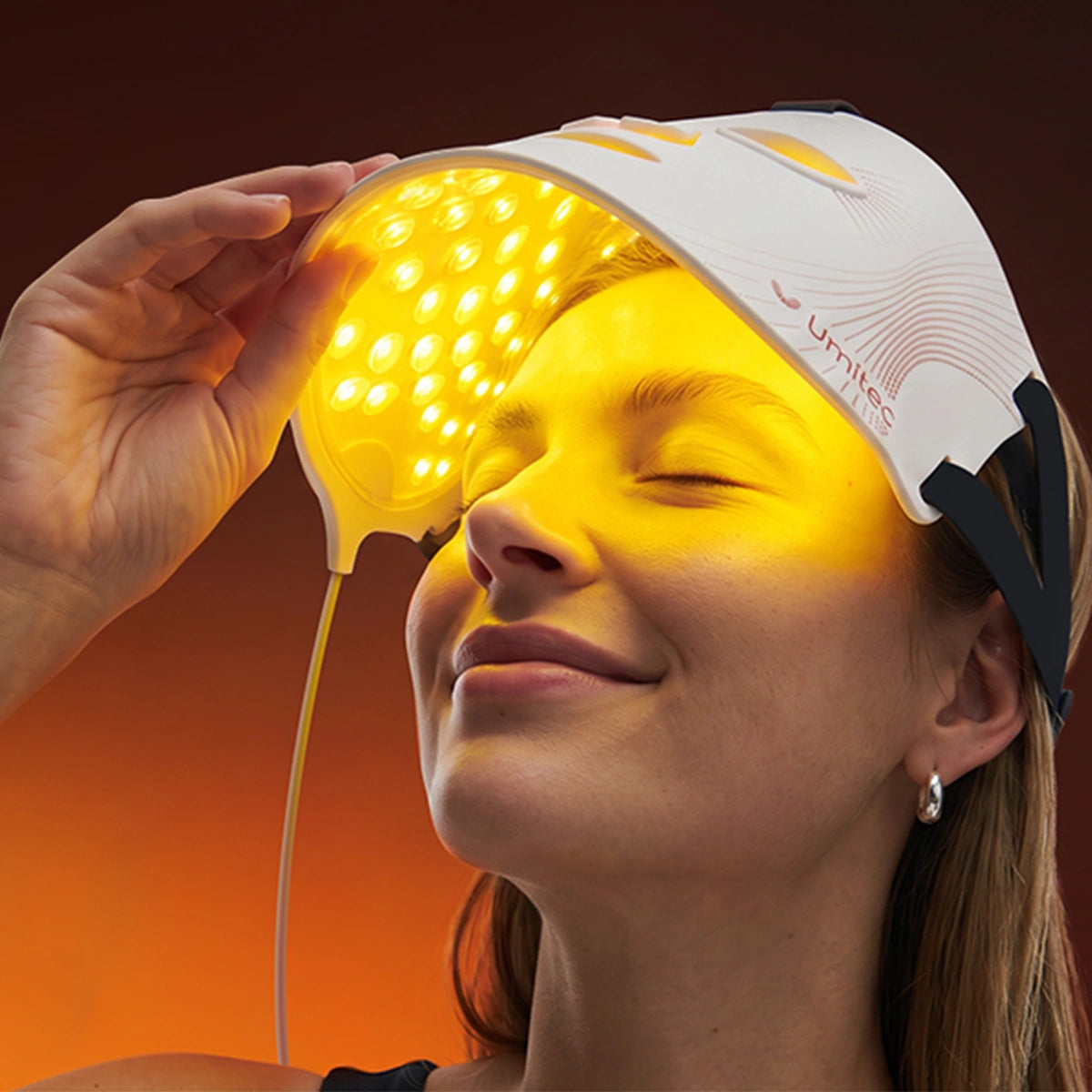
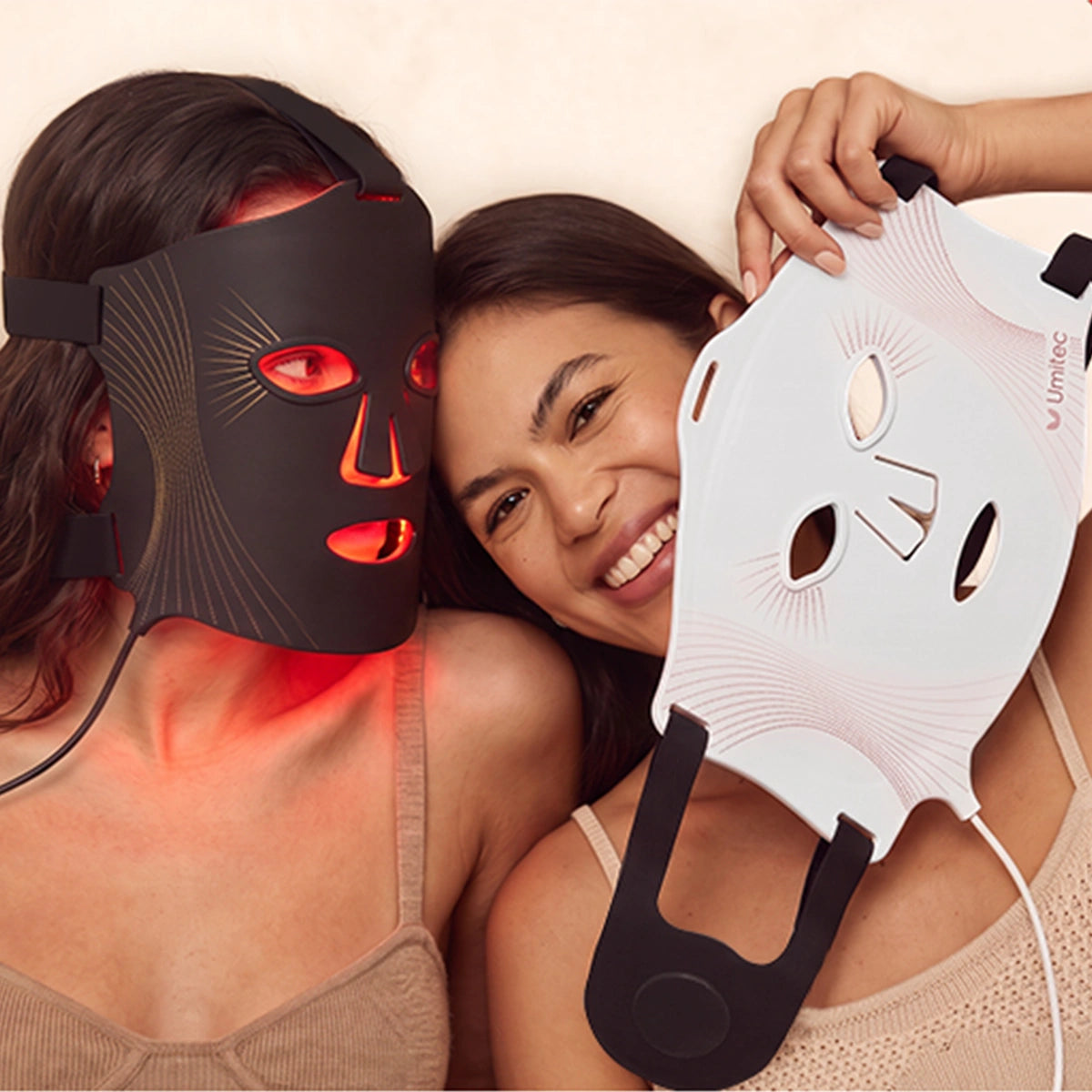
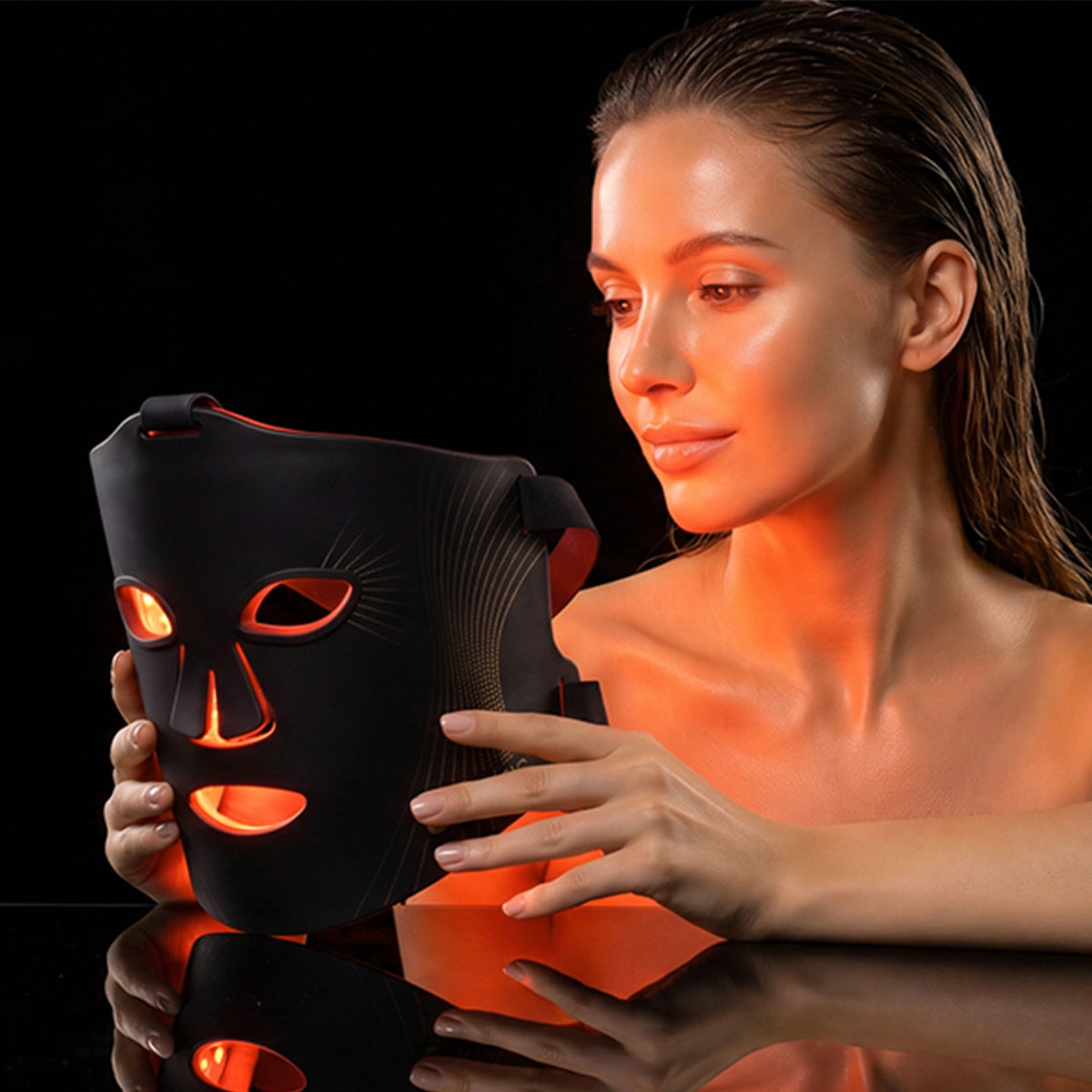
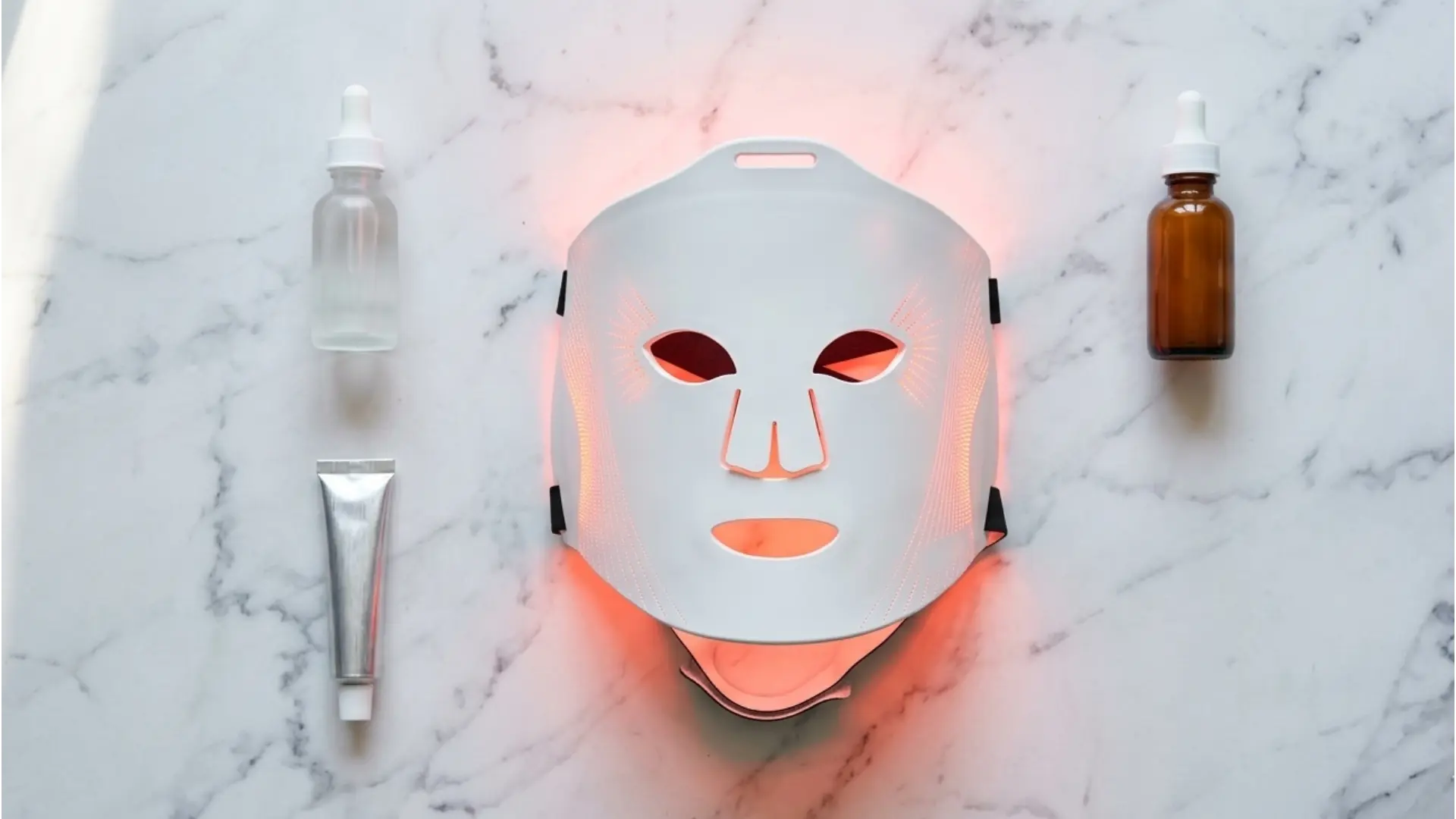
For users of the Umitec LED Therapy Face Mask , co-developed with Dr. Yao from Fudan University, the red (630nm) and near-infrared (830nm) modes are the relevant wavelengths for post-procedure recovery support. Yellow light (590nm) is also useful for managing post-procedure redness and microcirculation. Blue light (415nm) should be avoided on compromised or post-procedure skin until full barrier recovery has occurred.
How to resume safely after the waiting period
- Start shorter: Begin with 5-minute sessions rather than the standard 10, regardless of which procedure you had. Give the skin one session to confirm tolerance before returning to full duration.
- Use lower intensity first: If your device has adjustable intensity levels, start at the lowest setting for the first 1–2 sessions post-procedure.
- Red and near-infrared first: These are the recovery-supportive wavelengths. Reintroduce blue light only once skin has fully normalized — not during active post-procedure recovery.
- One session, then assess: After the first session back, check the skin's response over the following 24 hours before continuing. Mild warmth is normal; persistent redness or increased sensitivity means the skin needs more time.
- Return to standard protocol: Once skin has fully stabilized, resume the standard 2–3 sessions per week, 10-minute protocol with the Umitec Mask as normal.
The question of when to resume LED therapy after an aesthetic procedure has a specific, mechanism-based answer for every major treatment — and in most cases, that answer is not "weeks from now." For the majority of procedures, the window is measured in days, and for several of them, LED therapy actively supports the recovery process once that window has passed. Knowing the timing, and understanding why it exists, is what separates a well-managed at-home routine from one that inadvertently works against the results you have already invested in.


Leave a comment
All comments are moderated before being published.
This site is protected by hCaptcha and the hCaptcha Privacy Policy and Terms of Service apply.