

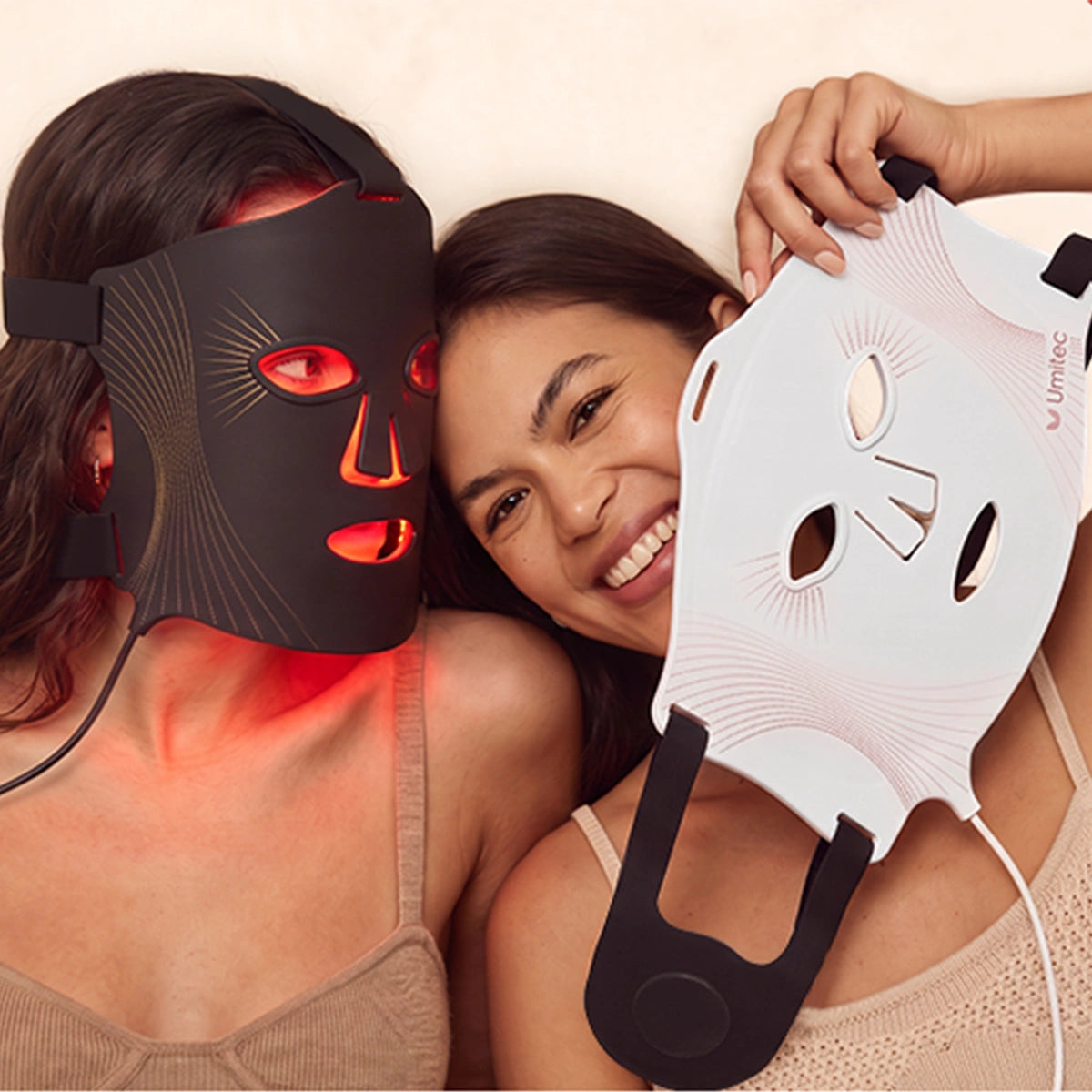

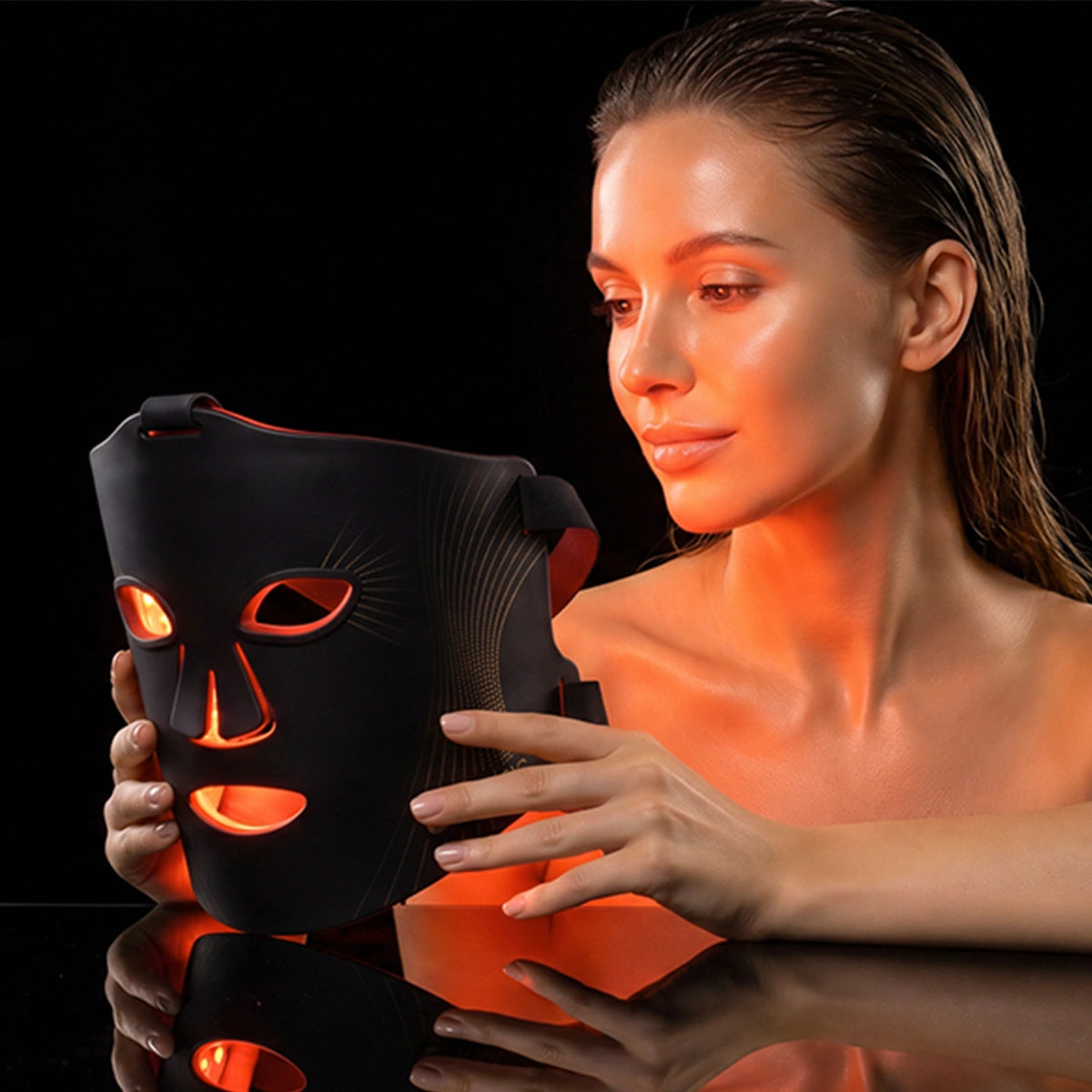
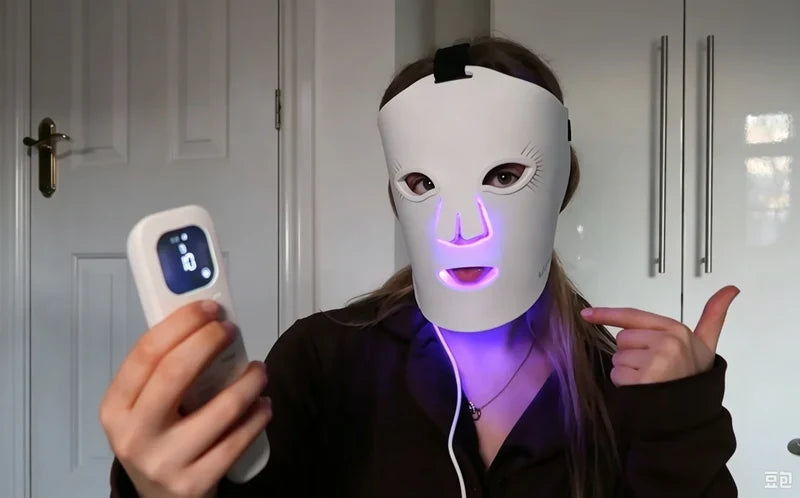
Blue light therapy is widely used to support acne-prone skin, which is why it can feel confusing—or even frustrating—when breakouts appear after using a blue light therapy mask. Many users wonder whether this reaction is normal, whether they are using the device incorrectly, or whether blue light therapy simply isn't right for their skin.
The good news is that breakouts after blue light therapy do not automatically mean the treatment is harmful or ineffective. Acne can fluctuate for many reasons, and factors such as skincare habits, device hygiene, and treatment frequency may all influence how your skin responds.
This article explores what blue light therapy does for acne, why breakouts may occur after using an LED mask, how to recognize signs of irritation, and practical ways to build a more comfortable at-home skincare routine.
What Does Blue Light Therapy Do for Acne?
Blue light therapy uses specific wavelengths of visible blue light, commonly around 415 nanometers in some acne-focused treatments.
Research suggests that blue light can interact with porphyrins produced by Cutibacterium acnes, bacteria associated with acne. This interaction can generate reactive oxygen species that affect bacterial activity.
However, blue light therapy is not an instant acne solution. It does not directly exfoliate the skin, immediately unclog pores, or stop oil production.
Instead, blue light therapy is generally considered a supportive skincare approach that may help improve the appearance of blemish-prone skin over time when used consistently and appropriately.
Results can vary depending on the device, wavelength, treatment schedule, and individual skin characteristics.
Can Blue Light Therapy Cause Breakouts?
Experiencing breakouts after starting blue light therapy can be frustrating, especially when you are using the treatment specifically to support clearer-looking skin.
However, the timing of a breakout does not necessarily mean blue light therapy caused it.
Acne is influenced by multiple factors, including hormonal fluctuations, excess oil, clogged pores, stress, skincare products, and environmental conditions.
If new blemishes appear after using an LED mask, it is worth looking at your overall skincare routine, how frequently you use the device, and whether your skin shows other signs of irritation.
It is also important not to automatically assume that breakouts are a normal purging phase. Blue light therapy is not an exfoliating treatment, and there is no established rule that acne must worsen before improving.
5 Possible Reasons for Breakouts After LED Therapy
There are several factors worth considering when breakouts appear after using a blue light therapy mask.
1. Existing Acne and Natural Skin Fluctuations
Breakouts can occur naturally, even when you are following a consistent skincare routine.
Hormonal changes, stress, sleep patterns, and existing congestion may all contribute to new blemishes.
If breakouts appear after starting blue light therapy, pay attention to whether they occur in areas where you usually experience acne or whether they are accompanied by unusual irritation.
The timing alone is not enough to establish that the treatment is responsible.
2. Inadequate Cleansing Before Use
Using an LED mask on skin with leftover makeup, sunscreen, or heavy skincare products may contribute to residue buildup on the device's contact surface.
For a cleaner and more consistent routine, start with freshly cleansed, dry skin and follow the manufacturer's instructions.
Regularly cleaning the mask also helps maintain good hygiene between sessions.
Learn more about how to clean and maintain your LED therapy face mask.
3. Overuse or Excessive Treatment Frequency
Using an LED mask more frequently or for longer sessions than recommended does not necessarily lead to better results.
Even when a treatment is designed for at-home use, excessive use may contribute to discomfort or irritation, particularly for people with sensitive or reactive skin.
Follow the recommended treatment duration and frequency for your specific device rather than assuming that more sessions will produce faster improvements.
4. Combining LED Therapy with Strong Active Ingredients
Some skincare ingredients, including retinoids and exfoliating acids, can cause dryness, redness, or sensitivity in certain users.
If your skin is already irritated, introducing multiple active treatments into the same routine may make it harder to identify the source of discomfort.
Consider keeping your routine simple and adjusting the use of potentially irritating products according to your skin's tolerance and professional skincare advice.
5. Mask Hygiene Issues
An LED mask comes into contact with your face, so keeping its surface clean is an important part of regular use.
Oil, sweat, makeup residue, and skincare products can accumulate on the mask over time.
Follow the manufacturer's cleaning instructions and make sure the device is properly maintained between sessions.
How to Tell Whether You Should Stop Using Your LED Mask
Not every breakout requires the same response. It is important to distinguish between occasional blemishes and signs that your skin may not be tolerating the treatment.
Signs to Monitor
-
Mild blemishes without unusual discomfort.
-
Breakouts in areas where you commonly experience acne.
-
Skin that remains comfortable between sessions.
-
No persistent redness, swelling, or burning.
These signs do not prove that your skin is adjusting to LED therapy. They simply suggest that other causes of acne may need to be considered.
When to Pause Treatment
Consider stopping use and seeking professional advice if you experience:
-
Persistent or worsening redness.
-
Burning, swelling, or significant itching.
-
Painful or unusually inflamed breakouts.
-
Increasing skin sensitivity after each session.
-
Symptoms that continue or worsen despite reducing use.
Do not push through significant irritation in the hope that your skin will eventually adapt.
If you have a skin condition or are using prescription acne treatments, consult a qualified healthcare professional before introducing an at-home LED device.
How to Reduce Breakouts When Using a Blue Light Therapy Mask
Using an LED mask correctly and maintaining a simple skincare routine can help reduce avoidable irritation.
Start with the Recommended Treatment Schedule
Follow the usage instructions provided with your device. Avoid extending treatment sessions or increasing frequency beyond the manufacturer's recommendations.
More frequent use does not automatically mean better results.
Cleanse Thoroughly Before Each Session
Use a gentle cleanser to remove makeup, sunscreen, excess oil, and other residue.
Allow your skin to dry before using the mask, unless the manufacturer's instructions specify otherwise.
Keep Your LED Mask Clean
Wipe down the mask after use according to the manufacturer's cleaning guidelines.
Pay particular attention to the areas that come into contact with your skin.
For more detailed instructions, see our guide on how to clean and maintain your LED therapy face mask.
Keep Your Skincare Routine Simple
If your skin is prone to irritation, avoid introducing several new active skincare products at the same time as starting LED therapy.
Pay attention to how your skin responds and adjust your routine gradually.
Support Your Skin Barrier
After your session, use gentle hydrating skincare products that suit your skin type.
A simple routine with a suitable moisturizer can help maintain skin comfort and support the skin barrier.
Be Consistent, but Patient
Blue light therapy is not an overnight solution.
Visible changes, when they occur, may take time and vary between individuals. Follow the recommended schedule and assess your skin's response rather than increasing treatment intensity or frequency.
Who Should Be Extra Cautious or Seek Professional Advice?
Some individuals should approach at-home LED light therapy with additional care.
This includes:
-
People with highly sensitive or reactive skin.
-
Individuals with severe, painful, or cystic acne.
-
Those using prescription acne medications or treatments that may increase light sensitivity.
-
Anyone experiencing persistent irritation or worsening skin symptoms.
If you are unsure whether LED light therapy is appropriate for your skin, consult a dermatologist or qualified healthcare professional before use.
Always follow the safety instructions supplied with your device.
Final Thoughts: Using Blue Light Therapy with Confidence
Breakouts after blue light therapy can be confusing, but they do not automatically mean that the treatment is causing harm or that your skincare routine is failing.
Understanding how blue light therapy works, keeping your device clean, following the recommended treatment schedule, and paying attention to your skin's response can help you make more informed decisions about at-home LED skincare.
For those exploring blue light therapy as part of an acne-focused routine, choosing a device with clearly defined treatment modes and following its usage instructions are important steps.
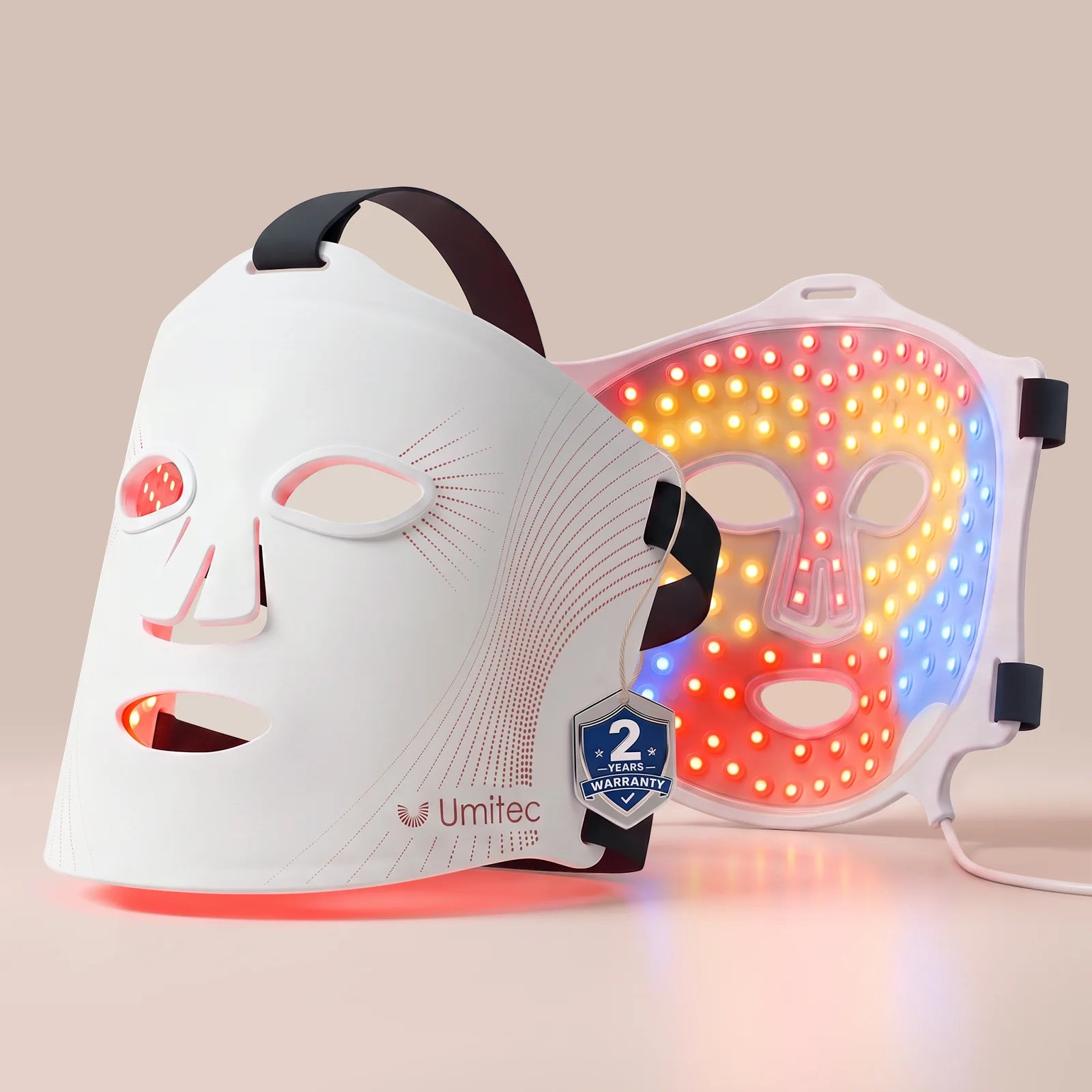
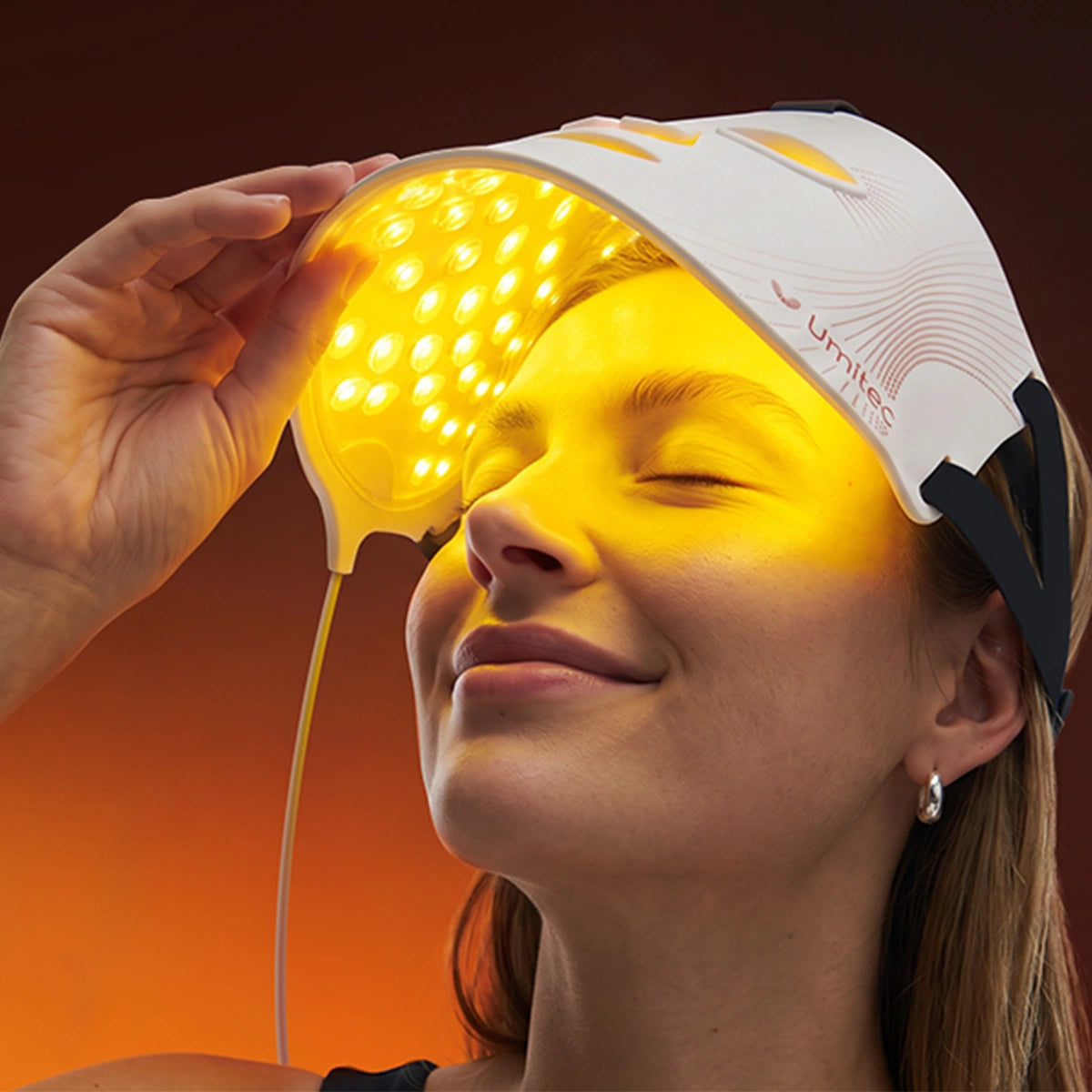
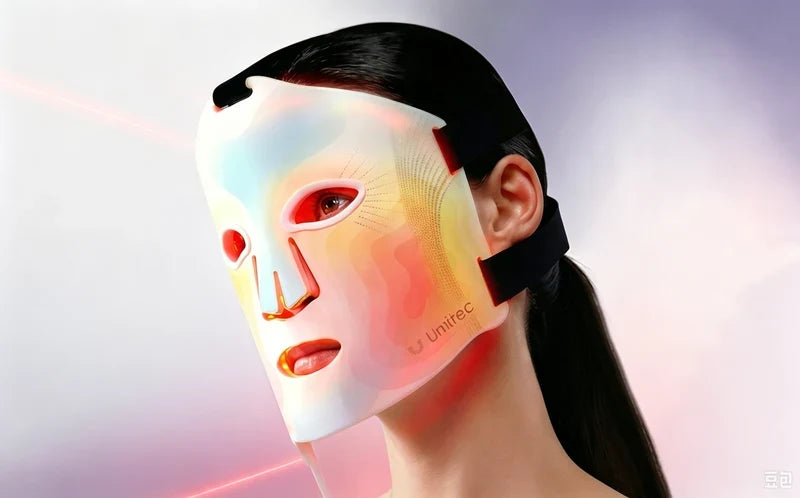
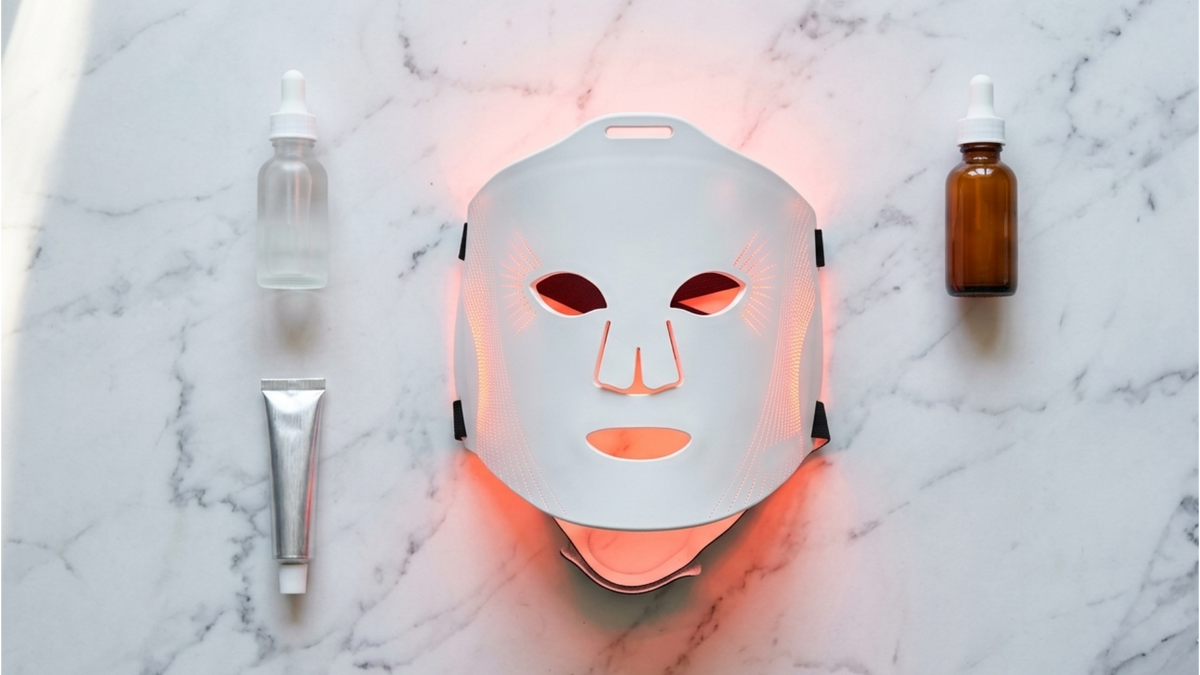
Discover the UMITEC ZoneCraft LED Therapy Face Mask Series 3, designed with four light modes, targeted facial treatment zones, and a convenient 10-minute routine for personalized at-home LED skincare.

Leave a comment
This site is protected by hCaptcha and the hCaptcha Privacy Policy and Terms of Service apply.