
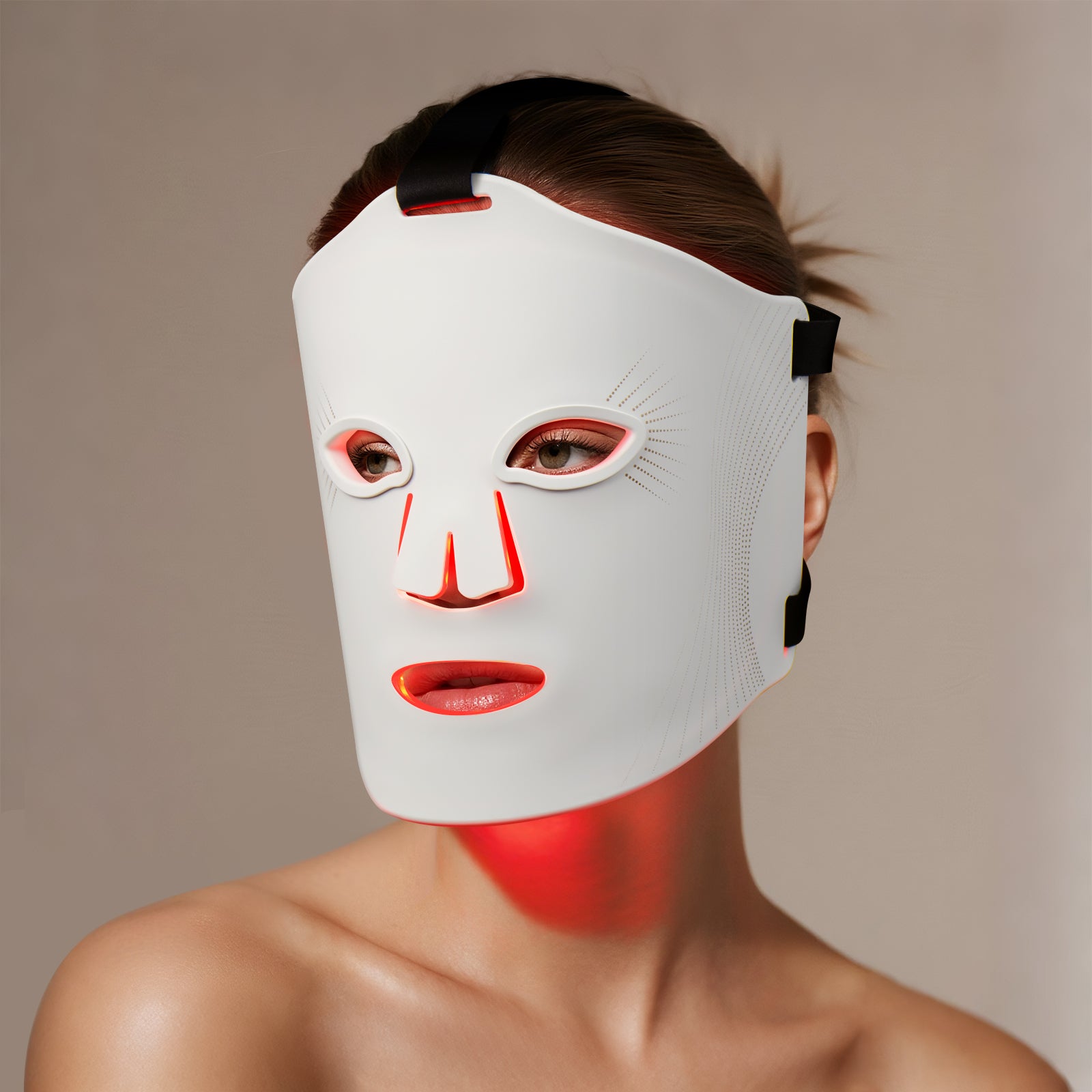

Blue light therapy is widely used to support acne-prone skin, which is why it can feel confusing—or even frustrating—when breakouts appear after using a blue light therapy mask. Many users wonder whether this reaction is normal, whether they are using the device incorrectly, or whether blue light therapy simply isn’t right for their skin.
The good news is that breakouts after blue light therapy do not automatically mean the treatment is harmful or ineffective. In many cases, they are related to how the skin adjusts, how the device is used, or how the rest of the skincare routine is structured.
This article explains why breakouts can happen after blue light therapy, how to tell the difference between a temporary reaction and a warning sign, and what you can do to reduce breakouts while using an at-home LED therapy mask safely.
What Blue Light Therapy Does for Acne
Blue light therapy works by emitting a specific wavelength of visible blue light, typically around 415 nanometers. This wavelength targets acne-causing bacteria (Cutibacterium acnes) that live on the surface of the skin and inside pores.
When exposed to blue light, these bacteria produce reactive oxygen species that damage their internal structure, reducing their ability to survive and multiply. This process helps support clearer-looking skin over time.
It’s important to understand that blue light therapy:
-
Does not exfoliate the skin
-
Does not unclog pores instantly
-
Does not stop oil production immediately
Instead, blue light therapy acne treatments are gradual and supportive, working best when used consistently and as part of a balanced skincare routine.
Common Reasons Breakouts May Occur After Blue Light Therapy

Experiencing breakouts after blue light therapy can feel counterintuitive, but there are several common and explainable reasons this can happen.
1. Existing Congestion Becomes More Visible
In some users, blue light therapy can speed up surface skin activity. This may cause pre-existing clogged pores to surface more quickly, making breakouts more noticeable in the short term.
This is not the same as creating new acne, but rather revealing what was already developing beneath the skin.
2. Inadequate Cleansing Before Use
Blue light therapy masks should be used on clean, dry skin. If oil, sunscreen, makeup residue, or heavy skincare products remain on the skin, they can trap heat and bacteria under the mask, increasing the likelihood of breakouts.
3. Overuse or Excessive Frequency
Using a blue light therapy mask too often or for longer sessions than recommended can stress the skin barrier. Even gentle technologies can become irritating when overused, especially for sensitive or acne-prone skin.
4. Combining with Irritating Active Ingredients
Using blue light therapy at the same time as strong exfoliating acids, benzoyl peroxide, or retinoids may increase irritation. Irritated skin is more prone to inflammation-related breakouts.
5. Mask Hygiene Issues
If the surface of the at-home LED therapy mask is not cleaned regularly, bacteria and residue can transfer back onto the skin during each session.
Is This Normal or a Sign You Should Stop?
Understanding whether breakouts after blue light therapy are temporary or concerning is essential.
Signs of a Normal Adjustment Phase
-
Mild breakouts in areas where acne usually appears
-
No severe itching, burning, or swelling
-
Breakouts that stabilize or improve within 2–4 weeks
-
Skin feels otherwise comfortable between sessions
These reactions often reflect skin adjustment, not damage.
Signs You Should Pause or Reconsider Use
-
Persistent redness or irritation
-
Painful, inflamed breakouts in unusual areas
-
Worsening skin sensitivity with each session
-
No improvement after several weeks of reduced use
If these symptoms occur, stopping use and consulting a skincare professional may be appropriate.
How to Reduce Breakouts When Using a Blue Light Therapy Mask
Using a blue light therapy mask correctly can significantly reduce the risk of breakouts.
Start with a Gentle Schedule
Begin with fewer sessions per week and gradually increase as your skin tolerates it. More frequent use does not necessarily lead to faster results.
Cleanse Thoroughly Before Each Session
Use a gentle, non-stripping cleanser and avoid applying active products immediately before blue light therapy.
Keep the Mask Clean
Wipe down the mask surface after each use according to manufacturer guidelines to prevent bacterial buildup.
Separate Blue Light Therapy from Strong Actives
Consider using blue light therapy on nights when you are not applying strong exfoliants or retinoids. This reduces cumulative irritation.
Support the Skin Barrier After Use
Follow sessions with lightweight, calming skincare products that focus on hydration and barrier support.
Be Patient with Results
Blue light therapy is not an overnight solution. Visible improvements often require consistent use over several weeks.
Who Should Be Extra Cautious or Seek Professional Advice
Certain individuals should approach blue light therapy with extra care, including:
-
Those with highly sensitive or reactive skin
-
Individuals with severe or cystic acne
-
Users currently using prescription acne medications
-
Anyone experiencing ongoing irritation or worsening breakouts
In these cases, professional guidance can help determine whether blue light therapy is appropriate.
Final Thoughts: Using Blue Light Therapy with Confidence
Breakouts after blue light therapy can feel discouraging, but they are not uncommon—and often manageable. Understanding how blue light therapy works, using it correctly, and supporting the skin barrier can make a significant difference in how the skin responds.
At-home LED therapy masks, such as the Umitec LED Therapy Face Mask, are designed to support consistent and controlled use. When integrated thoughtfully into a skincare routine, blue light therapy can be a helpful tool for acne-prone skin without overwhelming it.
As with any skincare approach, listening to your skin and adjusting based on its response is key to long-term skin health.


Leave a comment
This site is protected by hCaptcha and the hCaptcha Privacy Policy and Terms of Service apply.