

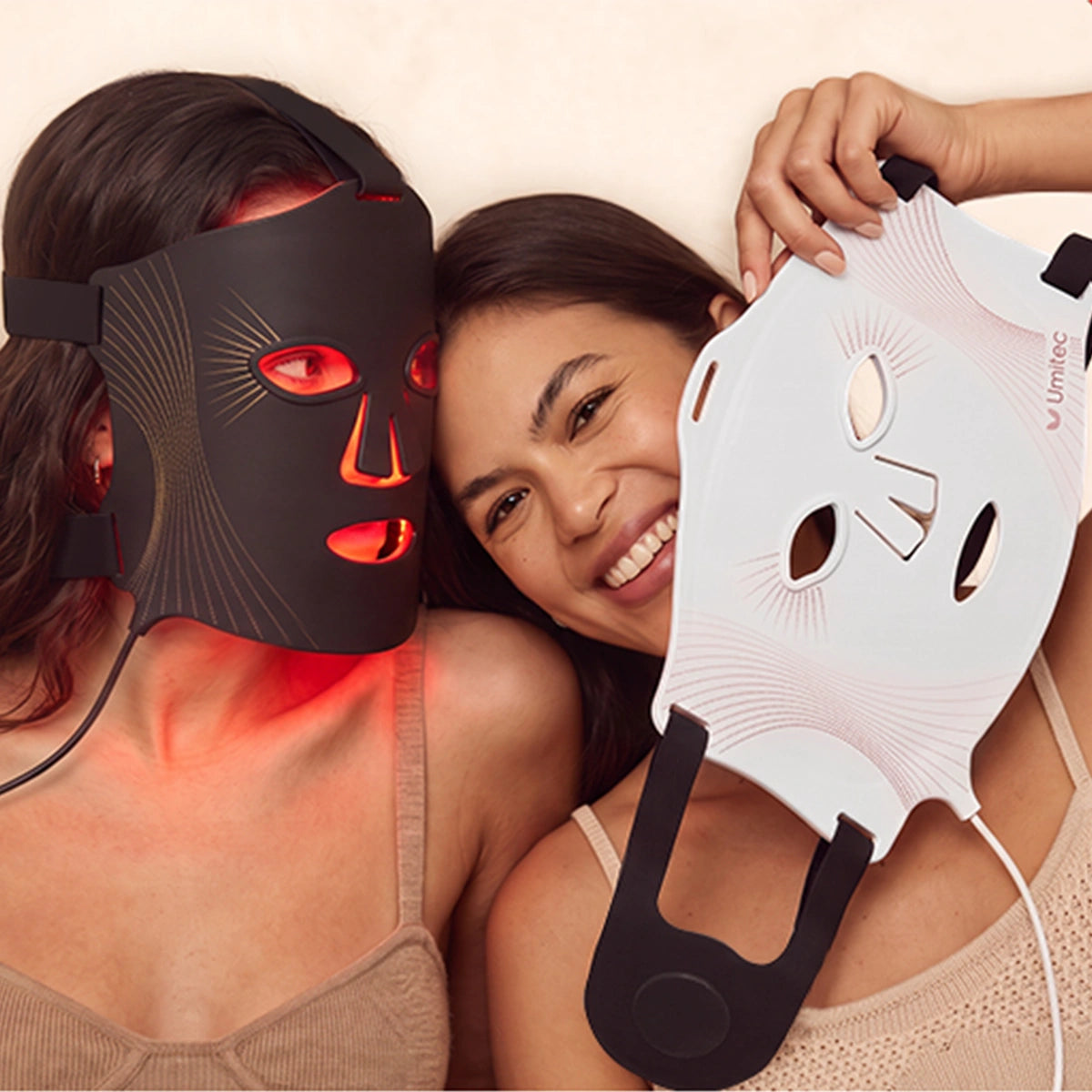
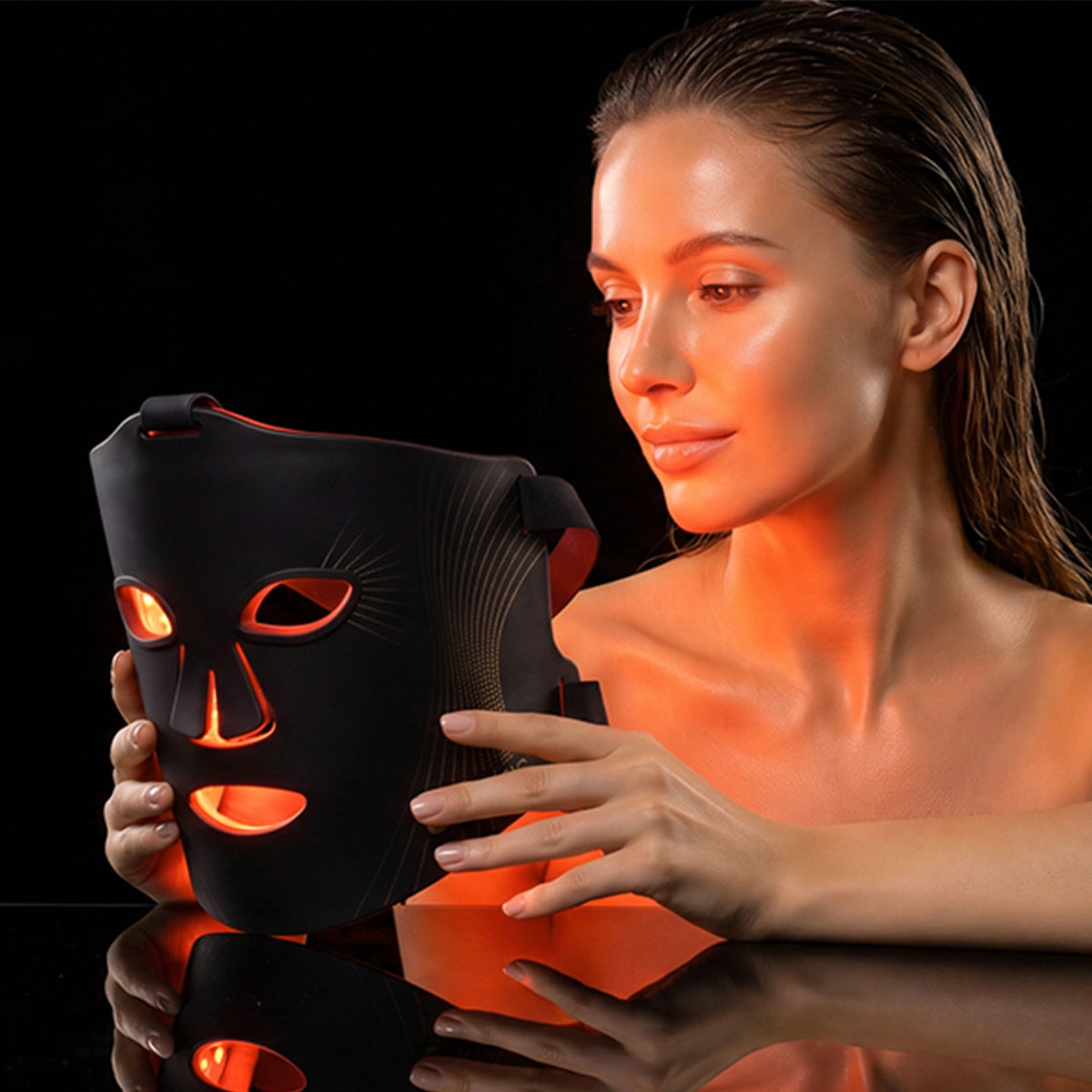

When you are comparing LED face masks, it is easy to focus on what is visible — the design, the number of lights, the modes listed on the packaging. What is harder to see, but far more consequential, is the circuit architecture inside the device. Because the number of independent control channels built into an LED mask is not a minor technical detail. It is the hardware decision that determines what the device is fundamentally capable of doing to your skin.
How Single-Channel Architecture Works — And Where It Stops
Think of a single-channel LED mask like a single light switch for your entire home. Flip it on, every room lights up. Flip it off, everything goes dark. There is no way to illuminate just the study without also lighting the bedroom, the hallway, and the kitchen.
Most LED face masks on the market — from the original hard-shell designs of the first generation to the softer flexible versions that followed — work on exactly this principle. One unified circuit powers all the LEDs simultaneously. When you select a mode, every light activates together, delivering the same wavelength at the same intensity across your entire face. Forehead, eye area, cheeks, lips — all receiving identical treatment at the same time, whether they need it or not.
This is not without value. Single-channel masks deliver real results for general skin maintenance. But the architecture has a hard ceiling. There is no hardware-level ability to isolate one facial zone from another, which means every session is, by design, a uniform broadcast.
What Quad-Channel Architecture Makes Possible
Quad-channel architecture is the difference between that single light switch and a smart home system — one where you can turn on just the reading lamp without affecting the rest of the house.
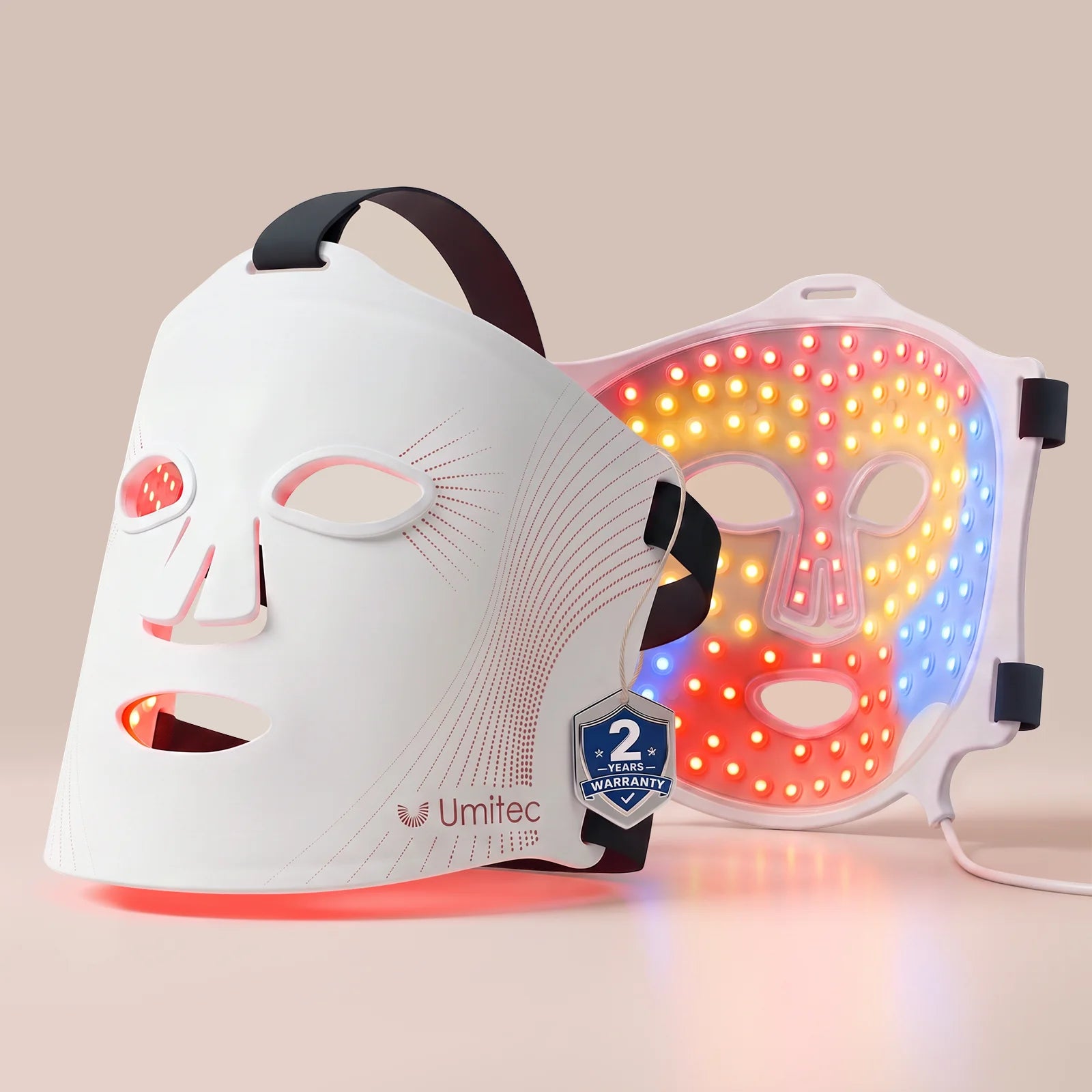
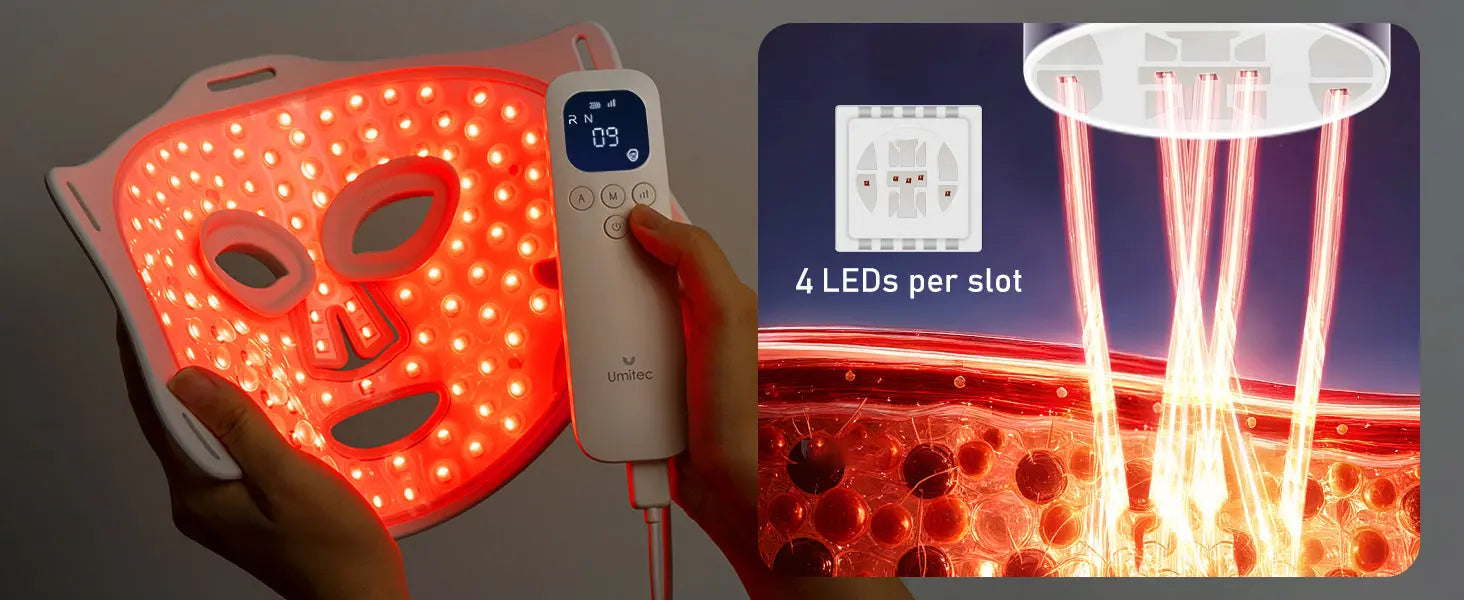
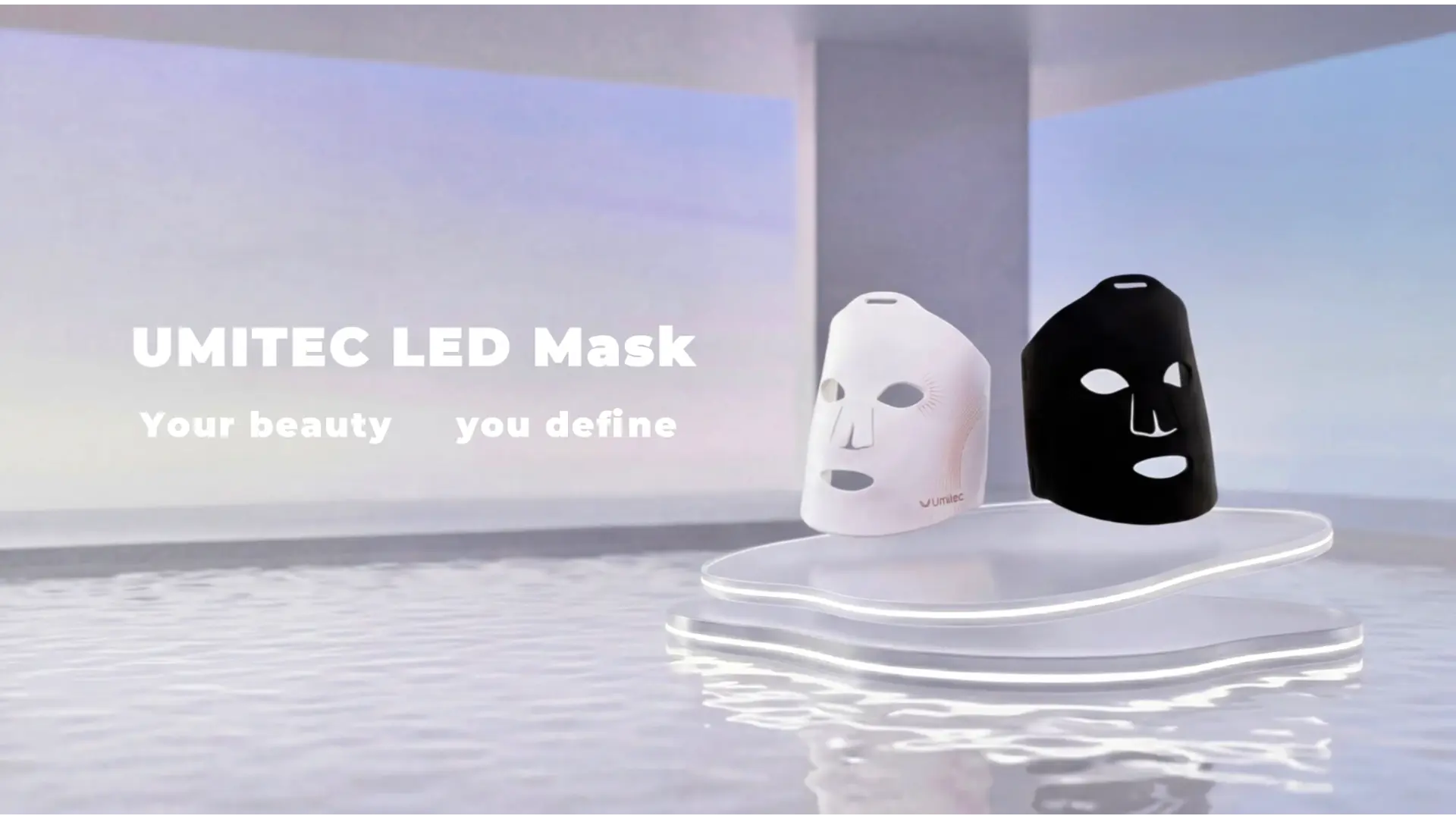
The UMITEC Series 2 is built on 123 LED clusters, each integrating 4 individual LEDs, controlled by 4 independent circuits. This multi-circuit design enables zone-selective control at the hardware level. The user selects a light mode, then uses the Area button on the rechargeable controller to direct that treatment to a specific facial zone — forehead, eye area, cheeks, lip area, or full face. The light goes exactly where you send it.
This is the architectural leap that defines the LED 3.0 era. Generation 1.0 brought structure — rigid hard-shell masks. Generation 2.0 brought flexibility — soft silicone designs. Generation 3.0 combines flexible form with quad-channel zone-precise control. A hardware evolution, not just a design one.
Why Zone Precision Matters for Your Skin — And Your Time
Your face is not a uniform surface. Each zone has distinct characteristics, and treating them all identically means most of your session is going to areas that do not need it.
Here is what zone-matched treatment actually looks like in practice:
Forehead and T-Zone (415nm Blue Light) — This area is most prone to oiliness, congestion, and breakouts. Blue light acts at the epidermal layer to inhibit acne-causing bacteria. With zone control, you direct it precisely here — no need to expose your entire face to blue light just to treat one congested area.
Eye Area (630nm Red Light) — The skin here is thinner and more delicate, and it is where fine lines appear first. Red light penetrates the dermal layer to stimulate collagen production. Targeting it specifically to the eye area means the treatment goes where the concern actually is.
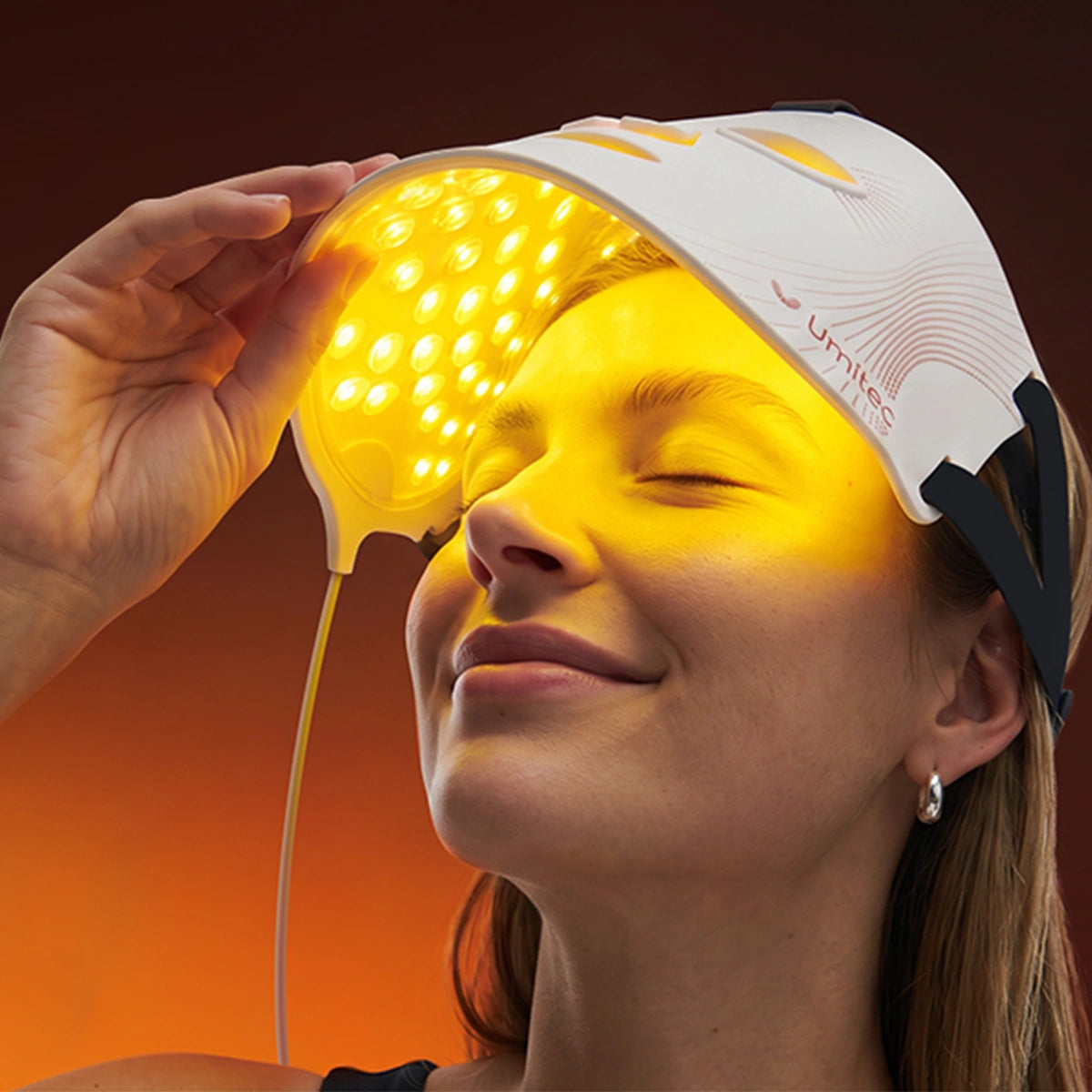
Cheeks (590nm Yellow Light) — Often prone to sensitivity, redness, and uneven tone. Yellow light soothes inflammation and improves microcirculation — most effective when directed to this zone rather than spread across the whole face.
Full Face or Deep Repair (830nm Near-Infrared) — For post-inflammatory pigmentation, tissue recovery, or post-procedure care, near-infrared reaches the subcutaneous layer where cellular metabolism occurs. Best used across the full face or targeted to areas needing deeper repair.
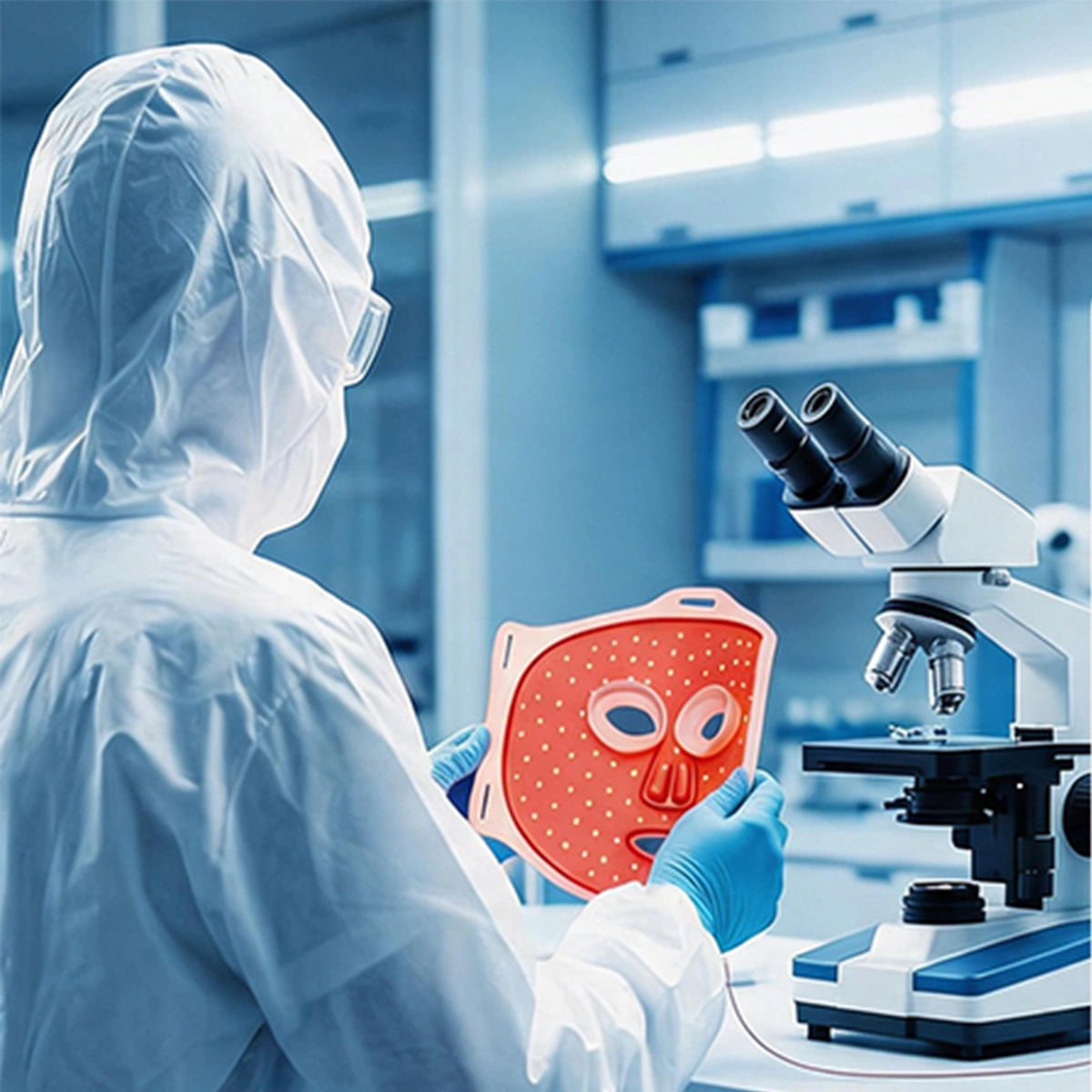
Developed in collaboration with Dr. Yao from Fudan University and SGS-certified through testing with over 100 real users, Series 2 was built with this zone-specific clinical logic as its core design principle.For a practical breakdown of how to match each wavelength to each zone in a real session, see our zone-by-zone usage guide.
Precision That Fits Real Life
Zone-selective treatment is also more efficient. Because the light goes where it is needed, two to three sessions per week at ten minutes each is enough to see consistent results — no daily commitment required. The 4,000mAh battery supports seven to nine full sessions per charge, significantly outlasting the three to five typical of single-channel devices.
When comparing LED face masks, the question worth asking is not just how many lights a device has. It is whether the hardware inside is built to treat your face the way it actually works — as a collection of distinct zones, each with its own needs, each responding to different wavelengths in different ways.
That is the standard Series 2 was built to meet.
Your Beauty, You Define.
Ready to see the difference quad-channel technology makes? Explore UMITEC Series 2 →

Leave a comment
All comments are moderated before being published.
This site is protected by hCaptcha and the hCaptcha Privacy Policy and Terms of Service apply.