

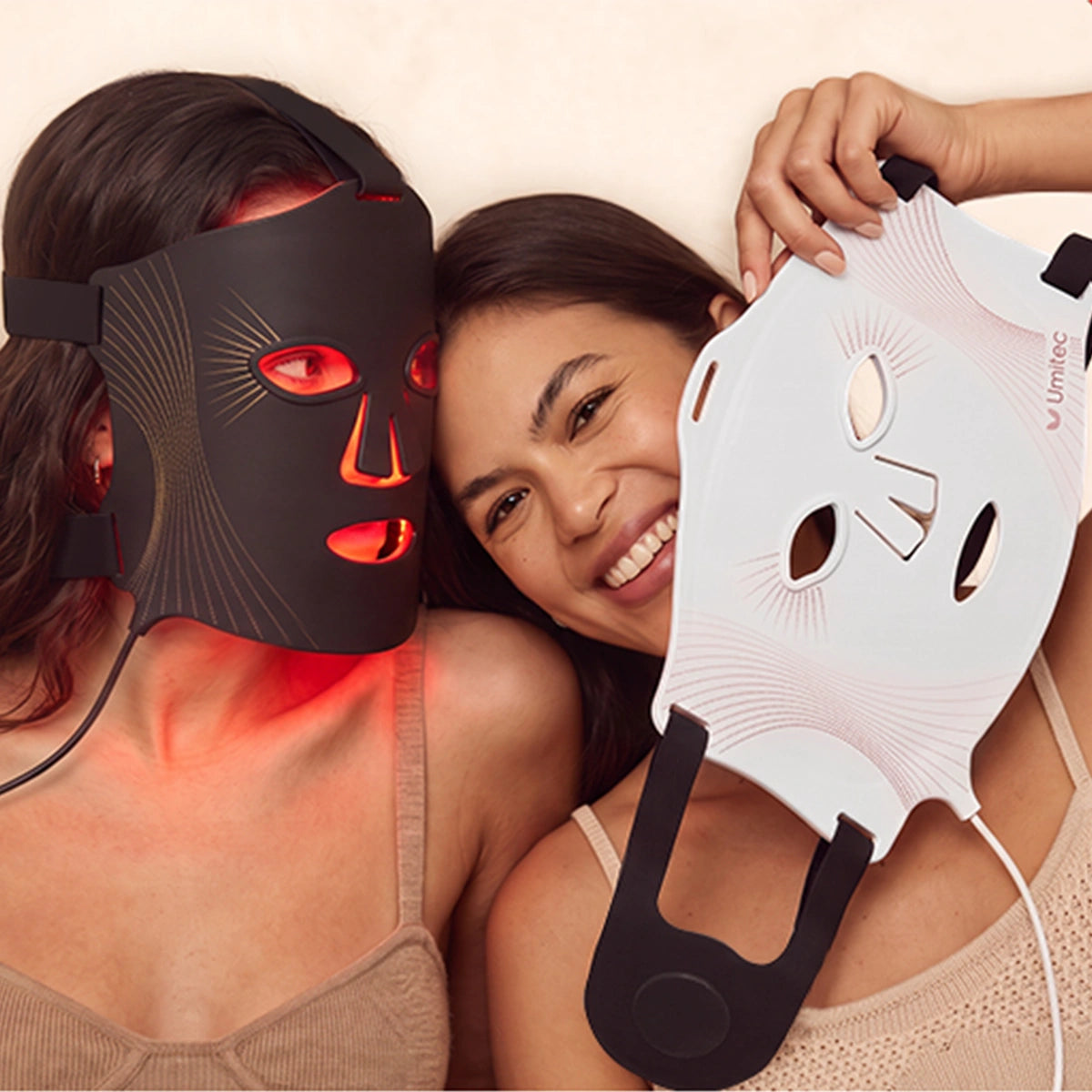
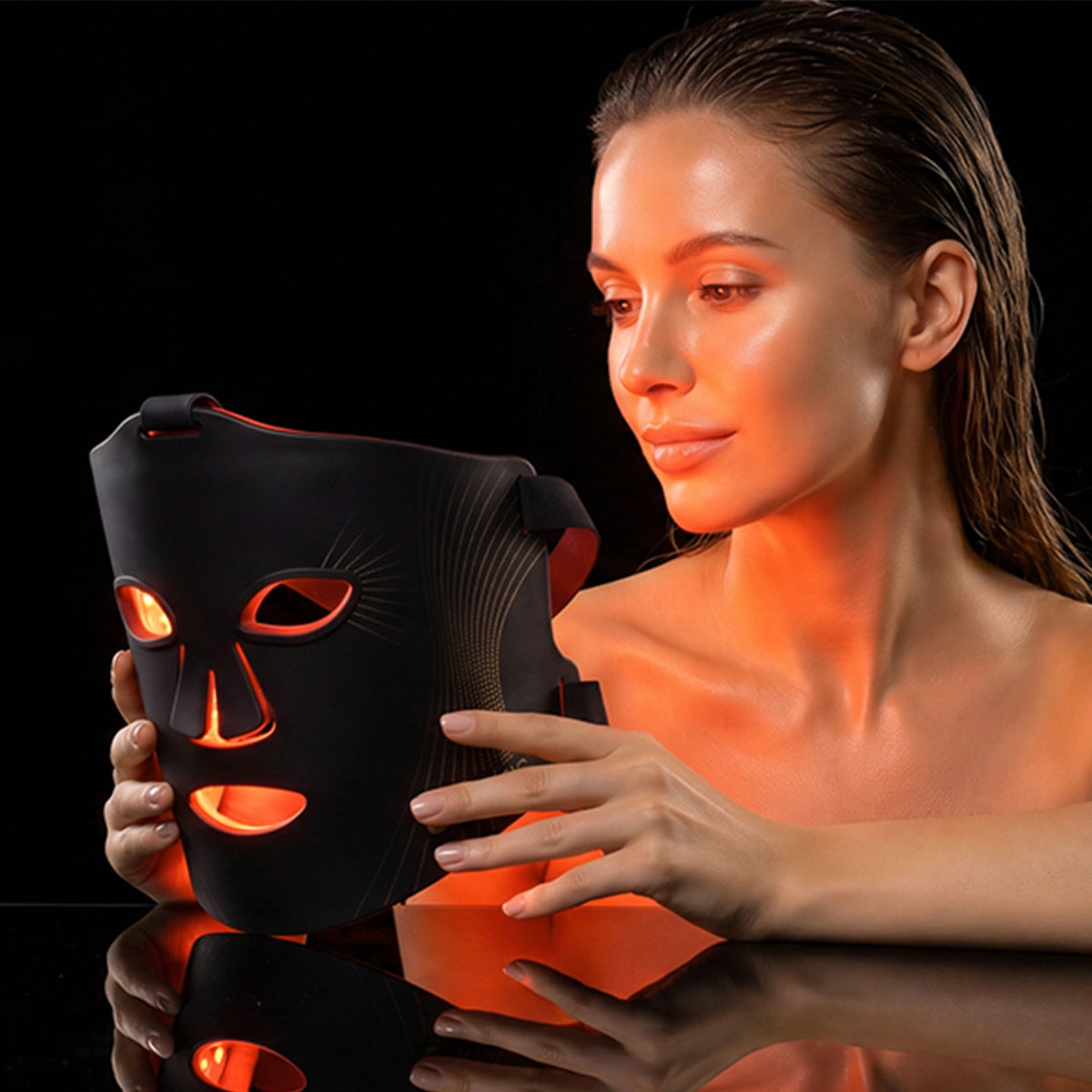

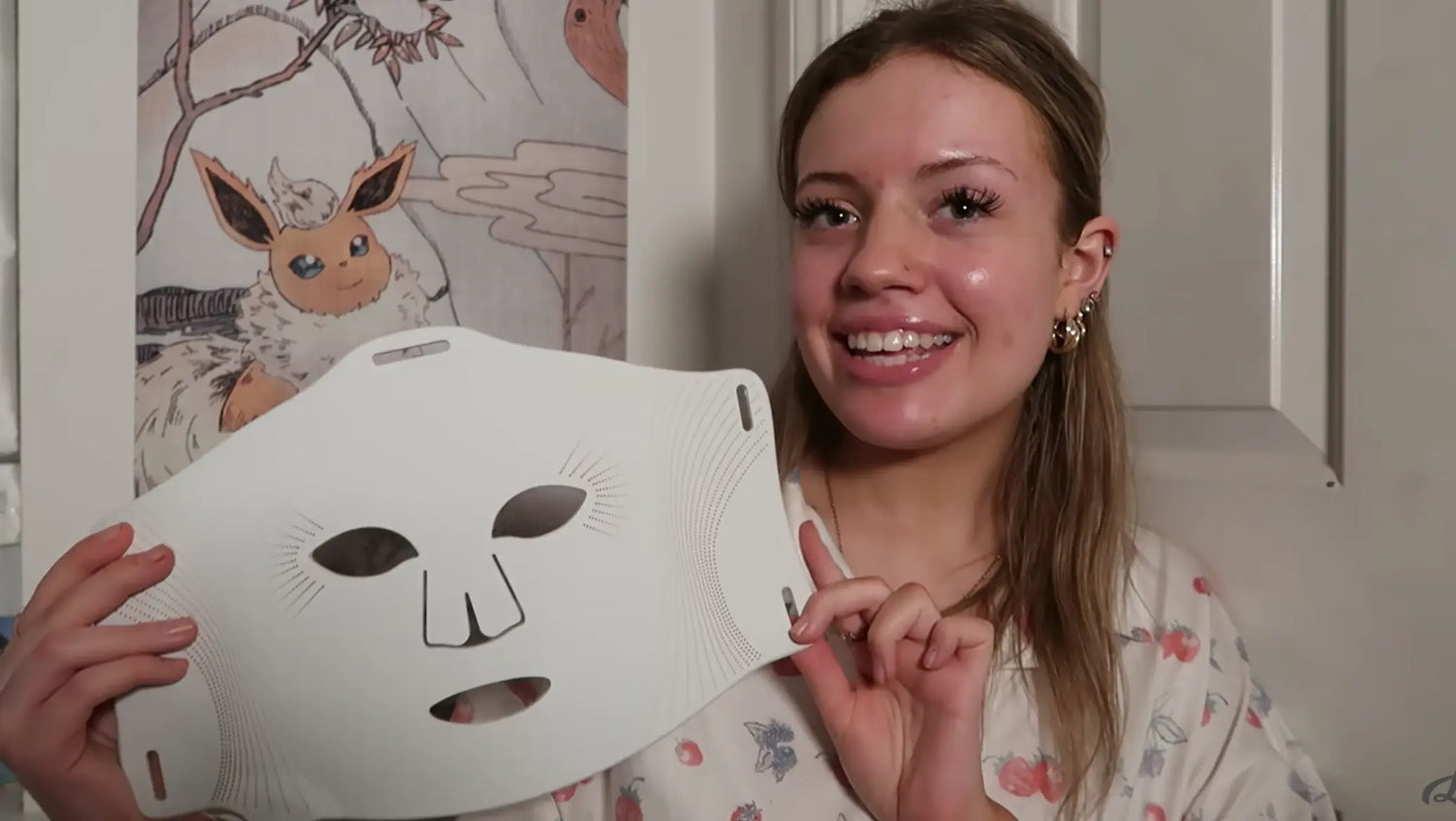
Stand in front of the mirror and really look at your skin. Chances are, no two zones tell the same story. Your forehead might be breaking out while your cheeks feel tight and dry. The skin around your eyes is noticeably thinner and more delicate than anywhere else on your face. Your chin is doing something entirely different from your nose. And yet, most LED masks on the market respond to all of this with a single, uniform beam of light — same wavelength, same intensity, wall to wall.
That's not a minor oversight. It's a fundamental design gap — and it's one the skincare technology industry is only just beginning to address seriously.
Why Full-Face LED Treatment Has Its Limits
LED light therapy has earned its reputation. Backed by decades of clinical research, it remains one of the most effective non-invasive tools available for stimulating collagen, managing inflammation, and improving overall skin health. The question isn't whether LED therapy works — it does. The question is whether a uniform, full-face approach is actually the smartest way to deliver it.
Consider the biology. The T-zone — the forehead, nose, and chin — produces significantly more sebum than the rest of the face and is prone to congestion and enlarged pores. The cheek area, by contrast, tends to lose collagen earlier and is often where fine lines and loss of firmness appear first. The skin around the eyes is among the thinnest on the entire body, requiring gentler energy levels and more targeted care. Sensitive zones across the face need calming and repair, not the same stimulation you'd apply to a resilient, oily patch.

When a single LED mask treats all of these zones identically, some areas receive appropriate care — and others receive too much, too little, or simply the wrong kind. It's broad-spectrum coverage where precision is what's actually needed.
The Real Reason Most Brands Haven't Fixed This
If zone-specific LED therapy is the logical next step, why hasn't it become standard? Because building it properly is genuinely difficult — and the engineering challenges involved are significant enough that most manufacturers quietly work around them rather than through them.
True zonal therapy requires a dedicated control signal for each individual facial zone. More zones mean more signal lines, and that's a hard physical constraint with no easy shortcut. Brands then face a difficult choice: expand the wiring harness to accommodate those additional lines, which makes the device bulkier and less comfortable to wear, or move all that circuit complexity onto a flexible PCB (a thin, bendable circuit board that allows the mask to conform to the face). The flexible route preserves wearability — but flexible PCBs are inherently harder to build reliable, complex multi-channel circuits on than rigid boards. They're thinner, more fragile, and demand a much higher level of manufacturing precision.
Then there's the challenge of coordinating multiple wavelengths, each of which penetrates skin at a different depth. Without carefully calibrated spectral combinations and precise energy distribution across zones, treatment results can be uneven or undermined entirely. Taken together, these are the real reasons why most LED masks still deliver the same light across your entire face. It's not that brands don't recognize the limitation — it's that solving it properly requires a level of engineering investment that many aren't prepared to make.
How the UMITEC ZoneCraft LED Mask Was Built to Solve It
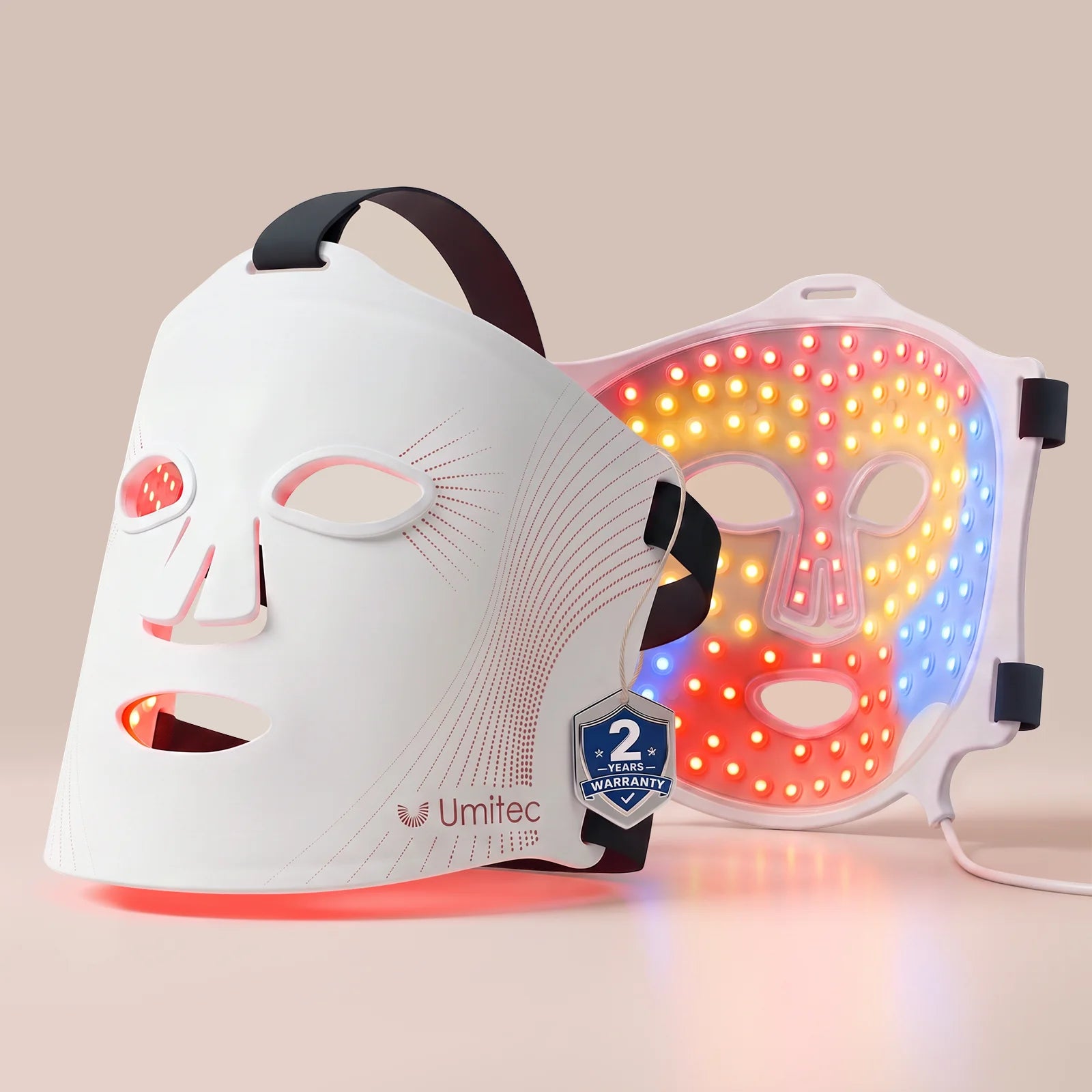
Rather than avoiding these challenges, Umitec built the UMITEC ZoneCraft LED Mask Series 2 around them. The decision to place the full control circuit on a flexible FPCBA — accepting all the manufacturing complexity that entails — was a deliberate choice to deliver genuine independent zonal control without compromising on fit or daily comfort.
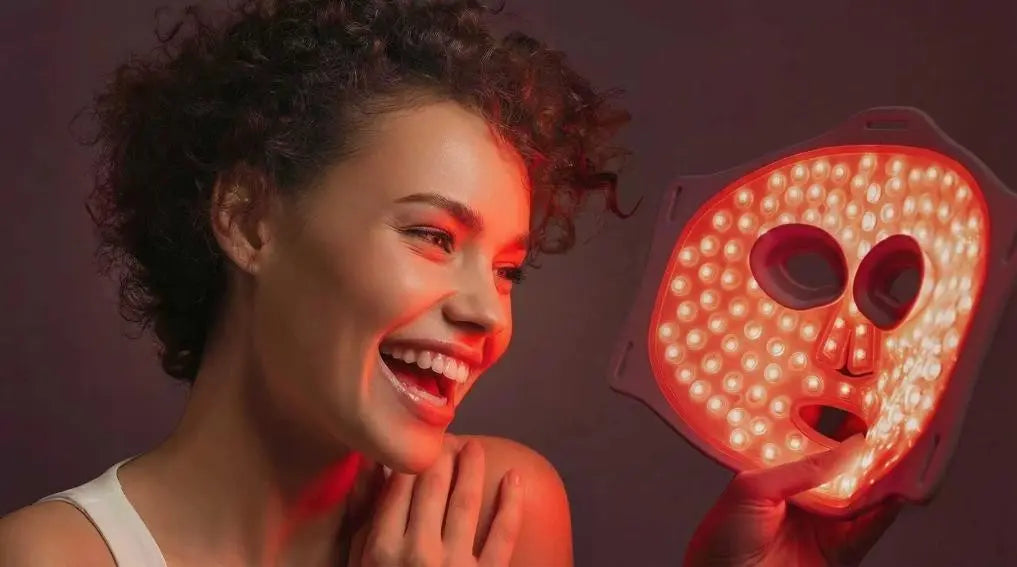
Inside the mask, 123 high-efficiency LED chips each output a stable 0.06W of energy, maintaining effective light therapy within consistently safe parameters. To ensure that light reaches each facial zone accurately and without interference, Umitec developed a flat mirror light-guiding structure combined with frosted diffusion technology. In plain terms: this optical system spreads light more evenly throughout the mask's interior while preventing energy from bleeding between zones.

The result is precise, targeted coverage across the T-zone, forehead, eye area, cheeks, and chin. A four-channel independent control system manages each wavelength separately, allowing flexible treatment combinations — anti-aging, oil control, soothing, repair — to be applied where they're actually needed. This is what separates a genuinely zonal device from one that merely claims to be.
What Zone-Specific Care Actually Does for Your Skin
The practical difference is most noticeable for anyone whose skin doesn't fit neatly into a single category — which describes the majority of people. If you have combination skin, the ability to apply oil-controlling blue light to your T-zone while delivering soothing or anti-aging treatment to your cheeks changes the quality of your results entirely. If you're managing localized breakouts alongside early signs of aging, or dealing with sensitivity in specific areas, uniform treatment has always been a compromise. Zone-specific phototherapy removes that compromise.
The UMITEC ZoneCraft LED Mask Series 2 is particularly well suited for combination skin, skin prone to localized breakouts, and anyone whose skin map doesn't respond well to a one-size-fits-all approach — which, honestly, includes most of us.
Designed to Be Worn Every Day
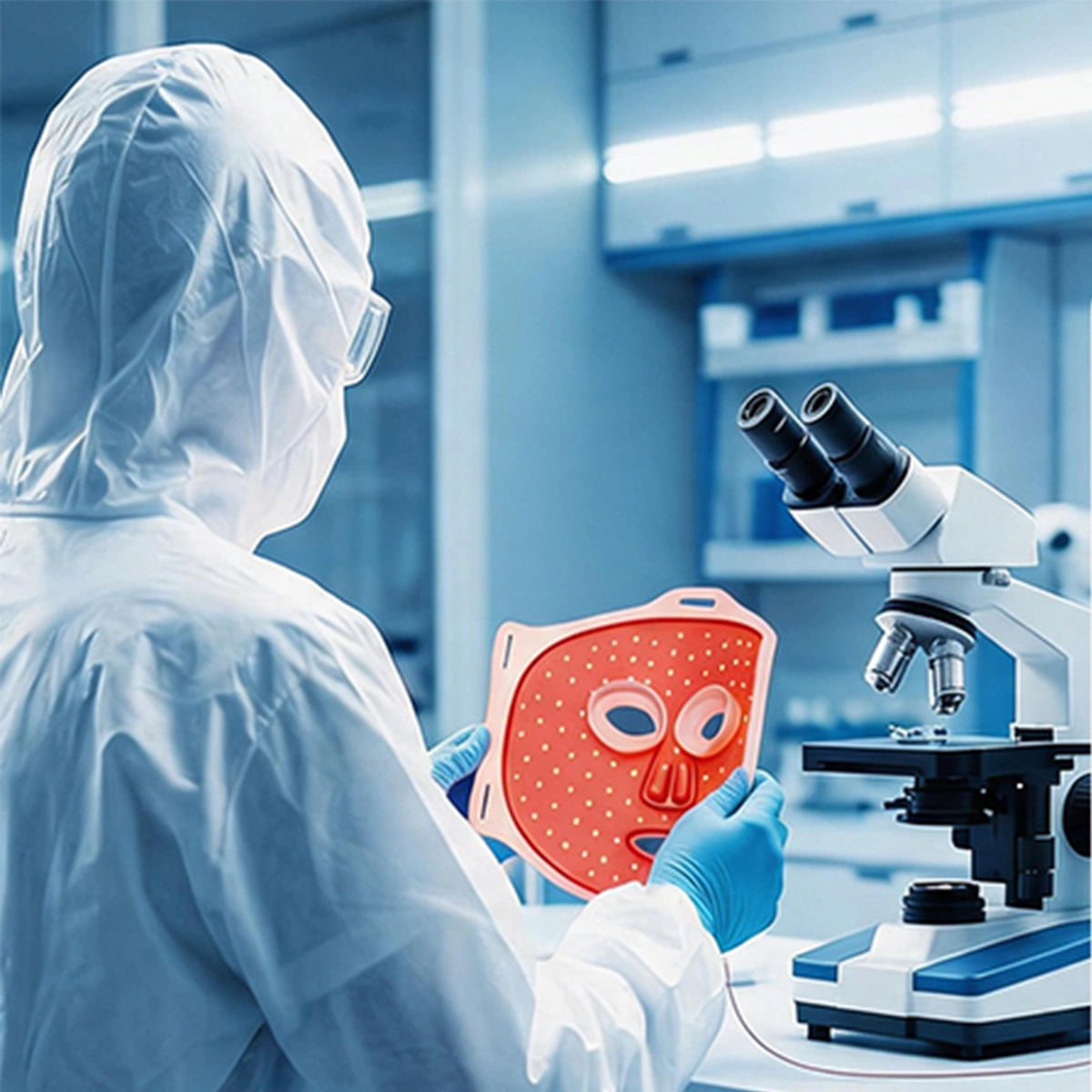
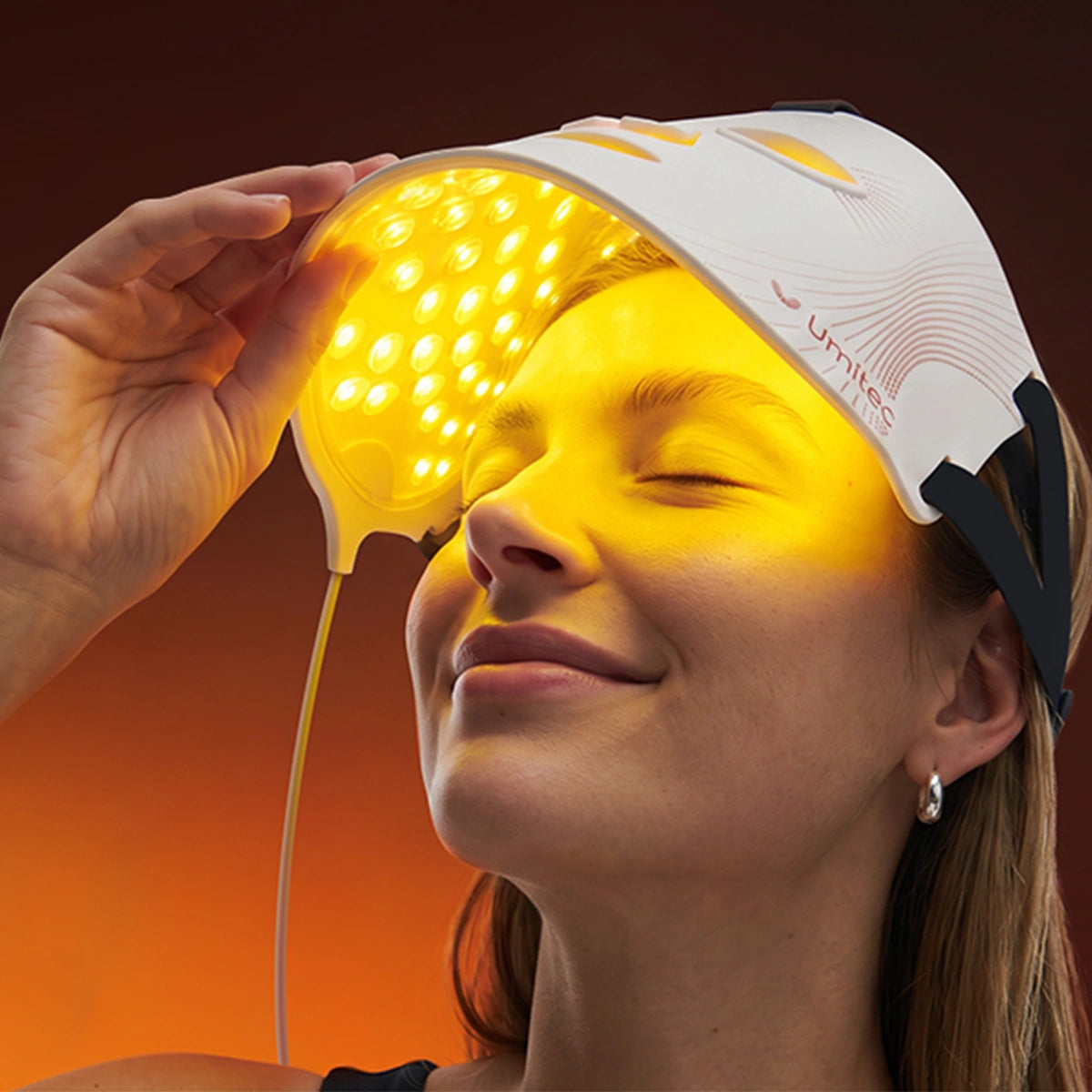
High-performance technology only delivers results if you actually use it consistently. The mask is constructed from soft, skin-adaptive silicone that conforms naturally to the contours of the face, including the eye contour and nasal wings — two areas where many competing masks lose their seal and, with it, their effectiveness. In pre-launch testing with over 100 real users, comfort scores were consistently strong, with results independently verified through SGS human usage testing.
In practice, it fits naturally into a morning or evening routine, or into any quiet moment at home — reading, winding down after work, or simply taking ten minutes while the house is still. It's compact enough to travel with, and low-effort enough that consistency becomes easy rather than aspirational.
Recommended by Dermatologists, Trusted by the Skincare Community
The device has been recommended by board-certified dermatologist Dr. Lindsey Zubritsky (@dermguru), and has earned genuine praise from skincare creators @kbeautyinsideout and @JUST MICHELLE, with a combined following of over 50,000. For anyone still wondering do LED face masks work — when the engineering is done with this level of care, the answer is a clear yes.

The Future of LED Skincare Is Precision
Full-face uniform LED treatment was a meaningful starting point for at-home light therapy. But skincare technology moves forward, and the direction it's heading is precision — care that responds to your skin's actual geography rather than treating it as a single uniform surface. Zone-specific phototherapy isn't a luxury feature. It's the logical next evolution of how LED masks should work, and Umitec is already there.
Explore the UMITEC ZoneCraft LED Mask Series 2 at umitecbeauty.com — and discover what targeted light therapy can do for your skin.

Leave a comment
All comments are moderated before being published.
This site is protected by hCaptcha and the hCaptcha Privacy Policy and Terms of Service apply.