
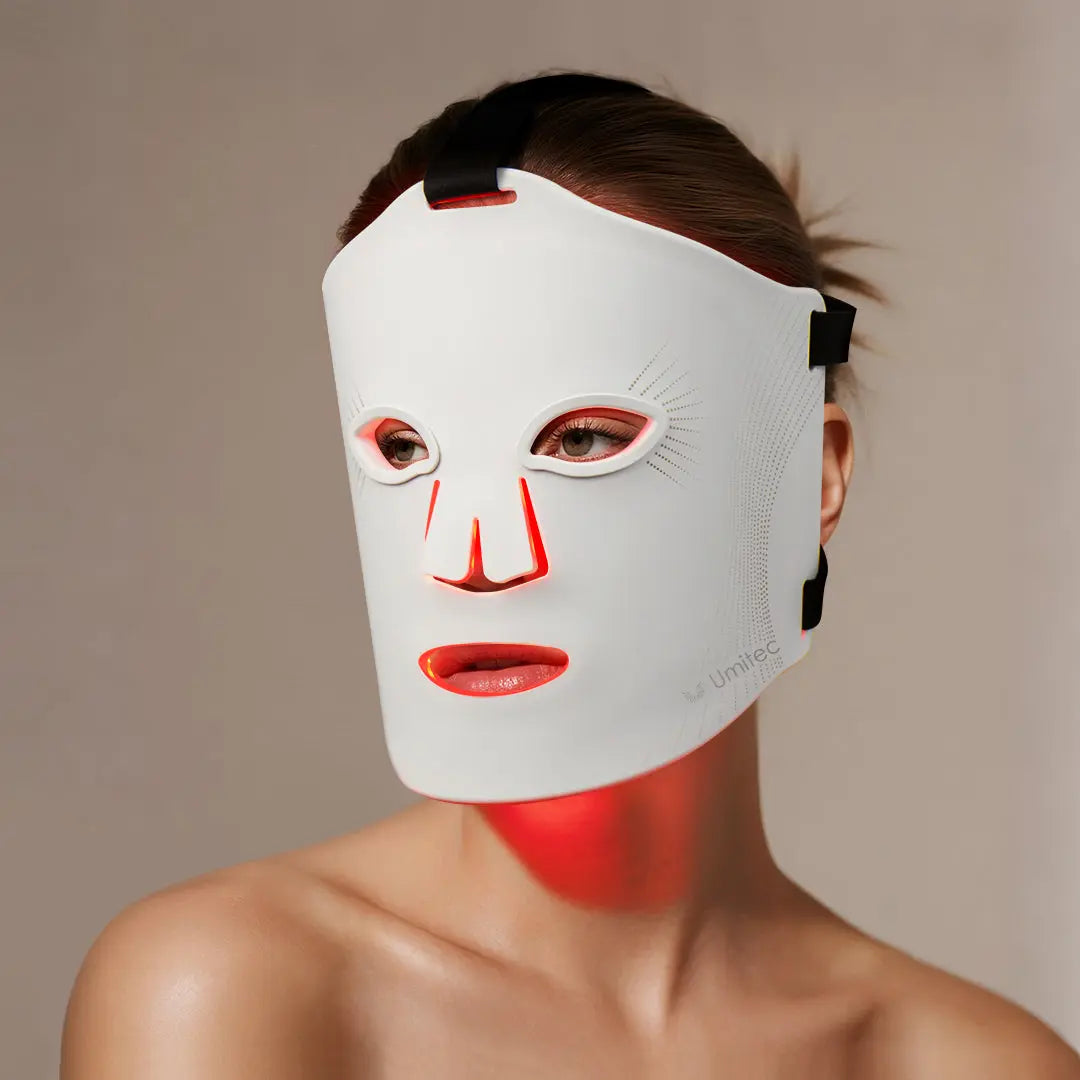

As LED therapy face masks become more popular in at-home skincare routines, many first-time users share a common concern: Is it normal to feel warmth, burning, or redness after using an LED mask?
This question is frequently searched online because facial skin is sensitive, and any unexpected sensation can naturally cause worry. With so much information — and misinformation — available, it can be difficult to know what reactions are normal and which ones deserve attention.
This guide is designed to give you clear, reassuring answers. We’ll explain what sensations are typically expected with LED light therapy, what may indicate improper use, and how to ensure a comfortable and skin-safe experience with your LED therapy face mask.
What Sensations Are Normal During or After LED Therapy Mask Use

For most users, LED light therapy is a gentle, non-invasive experience. Because the technology works by delivering specific wavelengths of light to the skin, mild sensations can occur — especially during the first few uses.
A gentle feeling of warmth during treatment is common. Although LED therapy is non-thermal and does not heat the skin like lasers or radiofrequency devices, the light exposure and increased circulation can create a subtle warming sensation.
Temporary redness is also normal for many users. This often looks similar to a light facial flush after exercise or a warm shower and typically fades within a short period after treatment.
Some individuals may notice a mild tingling or buzzing sensation. This is usually associated with increased blood flow at the skin’s surface and should not be painful or intense.
These reactions are generally short-lived and are considered normal LED light therapy side effects when they resolve quickly and do not cause discomfort.
When Burning or Redness May Indicate a Problem
While mild warmth and temporary redness are expected, a strong burning sensation or prolonged redness may signal that something needs adjustment.
One common reason is overuse. Using an LED therapy face mask too frequently or for sessions longer than recommended can overstimulate the skin, leading to irritation rather than benefit.
Another factor is skin condition. Using an LED mask on skin that is already irritated, sunburned, broken, or compromised can increase sensitivity and discomfort.
Product layering can also play a role. Combining LED light therapy with strong active ingredients — such as retinol, exfoliating acids, or high-strength vitamin C — immediately before treatment may increase the likelihood of redness or a burning sensation.
Finally, individual skin sensitivity varies. Even with a well-designed non-invasive skincare device, some users naturally have more reactive skin and may need a slower introduction to LED therapy.
How to Reduce Redness or Discomfort
If you experience redness or discomfort, small adjustments often make a big difference.
Reducing session length or frequency can help the skin adapt more comfortably, especially during the first few weeks of use. Starting slow allows your skin to build tolerance over time.
Always use your LED therapy face mask on clean, dry skin. Residue from skincare products can interact with light exposure and increase sensitivity.
Avoid applying strong active ingredients immediately before LED treatment. Many users prefer to use LED therapy on bare skin and apply targeted skincare products afterward.
After your session, allow your skin to cool naturally. There’s no need to rush into additional products — giving your skin a few minutes to settle can reduce lingering redness.
Why the Umitec LED Therapy Face Mask Is Designed for Skin Safety
The Umitec LED Therapy Face Mask is designed with at-home LED therapy safety as a priority. It uses controlled LED intensity to support consistent light exposure without unnecessary stress on the skin.
Even light distribution across the face helps reduce hotspots, which can contribute to uneven sensations or irritation. The mask’s non-invasive design avoids UV light and is intended for regular, comfortable use as part of a home skincare routine.
By focusing on balance rather than extreme intensity, Umitec aims to support a gentle, user-friendly LED light therapy experience suitable for a wide range of skin types.
When to Stop Use and Seek Professional Advice
If you experience persistent burning sensations, significant discomfort, or redness that lasts well beyond the treatment session, it’s best to stop using the device.
Severe or prolonged reactions are not typical and should be evaluated by a qualified skincare professional or dermatologist. While LED therapy face masks are designed for cosmetic use, individual skin conditions can vary, and professional guidance is always appropriate when something feels wrong.
This information is educational and not intended to replace medical advice.
Mild warmth, temporary redness, or light tingling can be a normal response to using an LED therapy face mask, especially when you’re new to LED light therapy. These sensations are usually brief and reflect increased circulation rather than skin damage.
The key is to listen to your skin, follow recommended usage guidelines, and introduce LED therapy gradually. With thoughtful use and a skin-first approach, the Umitec LED Therapy Face Mask is designed to support comfortable, consistent at-home LED skincare.


Leave a comment
This site is protected by hCaptcha and the hCaptcha Privacy Policy and Terms of Service apply.