


For years, red light therapy occupied an awkward middle ground — credible enough that dermatologists took it seriously, niche enough that most consumers hadn't tried it. That positioning has shifted. According to the BON CHARGE Global Wellness Tech Trend Report 2026 — based on a survey of 7,000 adults across the US, UK, UAE, and Australia conducted by Opinium in December 2025 — red light therapy is now used or trialled by 34% of consumers across those four markets. More telling still: around 86% of those users started within the past two years. This isn't a technology that has been quietly building for a decade. It is scaling fast, right now, and the reasons why matter for anyone considering whether to add it to their routine.
What the data actually shows
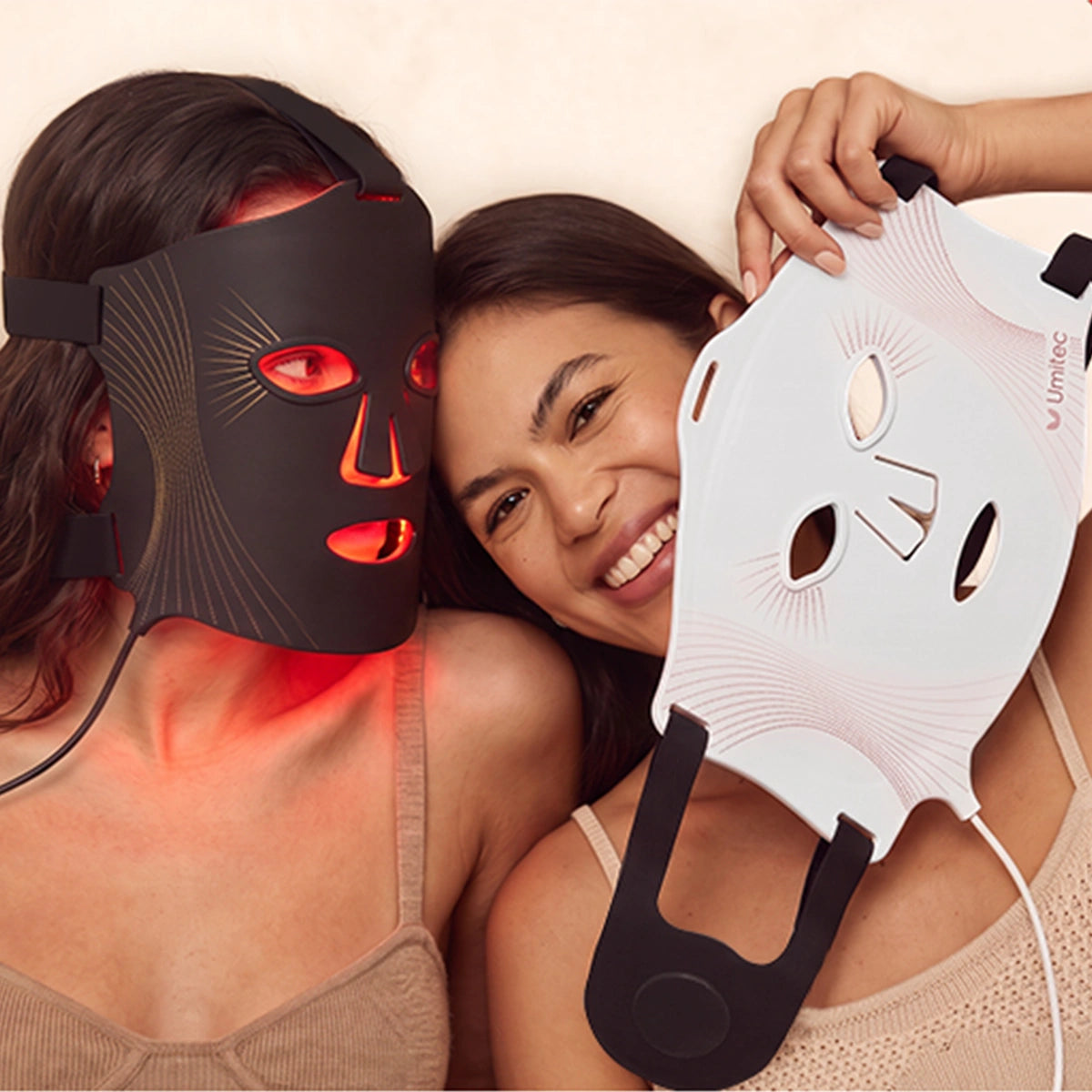
The report highlights several patterns worth paying attention to. Adults under 35 are leading adoption globally — but the motivation driving that adoption has changed. Skin and beauty goals have now overtaken recovery as the primary reason people use red light therapy across three of the four markets surveyed (UK, Australia, and UAE). Red light face masks, specifically, have become the most popular red light device in every market studied. This is not a recovery tool that skincare consumers have borrowed. It is a skincare tool that has arrived on its own terms.
In the UK, the gender split is also notable: slightly more women than men have used red light therapy (27% versus 24%), which aligns with the broader shift toward skin-focused applications rather than sports recovery — the category that historically skewed male.
Why this moment is happening now
The convergence driving red light therapy's mainstream arrival is not accidental. Three things have changed simultaneously: device accessibility has improved significantly as at-home LED technology has matured; consumer appetite for science-backed skincare has grown substantially in the post-pandemic period; and awareness of the technology has spread from professional clinics into everyday wellness conversations. The report also reflects a broader shift in how consumers relate to their routines — wellness technology is increasingly viewed as a daily practice rather than a specialist intervention.
The "beauty over recovery" shift documented in the report is a particularly clear signal. When consumers choose a technology primarily for skin goals — collagen support, texture improvement, skin tone — they are making a different calculation than someone using it for muscle recovery. They are thinking in terms of skincare routines, consistency, and long-term investment. That is the same logic that drives moisturizer and SPF use. Red light therapy has moved into that category.
— BON CHARGE Global Wellness Tech Trend Report 2026, research by Opinium
What the science says about red light and skin
Consumer adoption trends are one thing. The mechanism that underpins them is another. Red light at 630nm penetrates the dermis — the layer of skin below the surface where fibroblasts live. Fibroblasts are the cells responsible for producing collagen and elastin, the structural proteins that give skin its firmness and elasticity. When red light at the right wavelength is absorbed by these cells, it supports their energy production and activity. Published research, including a controlled trial cited by the Journal of the American Academy of Dermatology, has shown that LED-based red and near-infrared light treatment increases collagen and elastin expression in human skin. Stanford Medicine's analysis of the field, published in early 2025, noted that hundreds of studies have documented red light's impact in clinical settings, including blinded trials showing increased collagen density in participants.
Near-infrared light at 830nm works differently — it penetrates deeper, into the lower dermis and subcutaneous tissue, where it supports cellular metabolism, accelerates tissue repair, and may help reduce post-inflammatory pigmentation. The two wavelengths are increasingly used together in professional and at-home devices because they address different depths of the skin simultaneously.
The important caveat — and it is one that serious researchers are consistent about — is that results require consistency. Red light therapy is not a single-session intervention. Clinical studies showing meaningful improvements in collagen density and skin texture have typically involved multiple sessions per week over several weeks. The technology rewards routine use, not occasional treatment.
Not all devices are equivalent
The rapid growth of the at-home LED market has produced a wide range in device quality. LED density, wavelength accuracy, and the sophistication of the delivery system vary substantially between devices — and those variables directly affect what a user actually receives at the skin level. A mask with a low LED count delivers meaningfully less light energy per session than a denser device, regardless of what the marketing suggests.
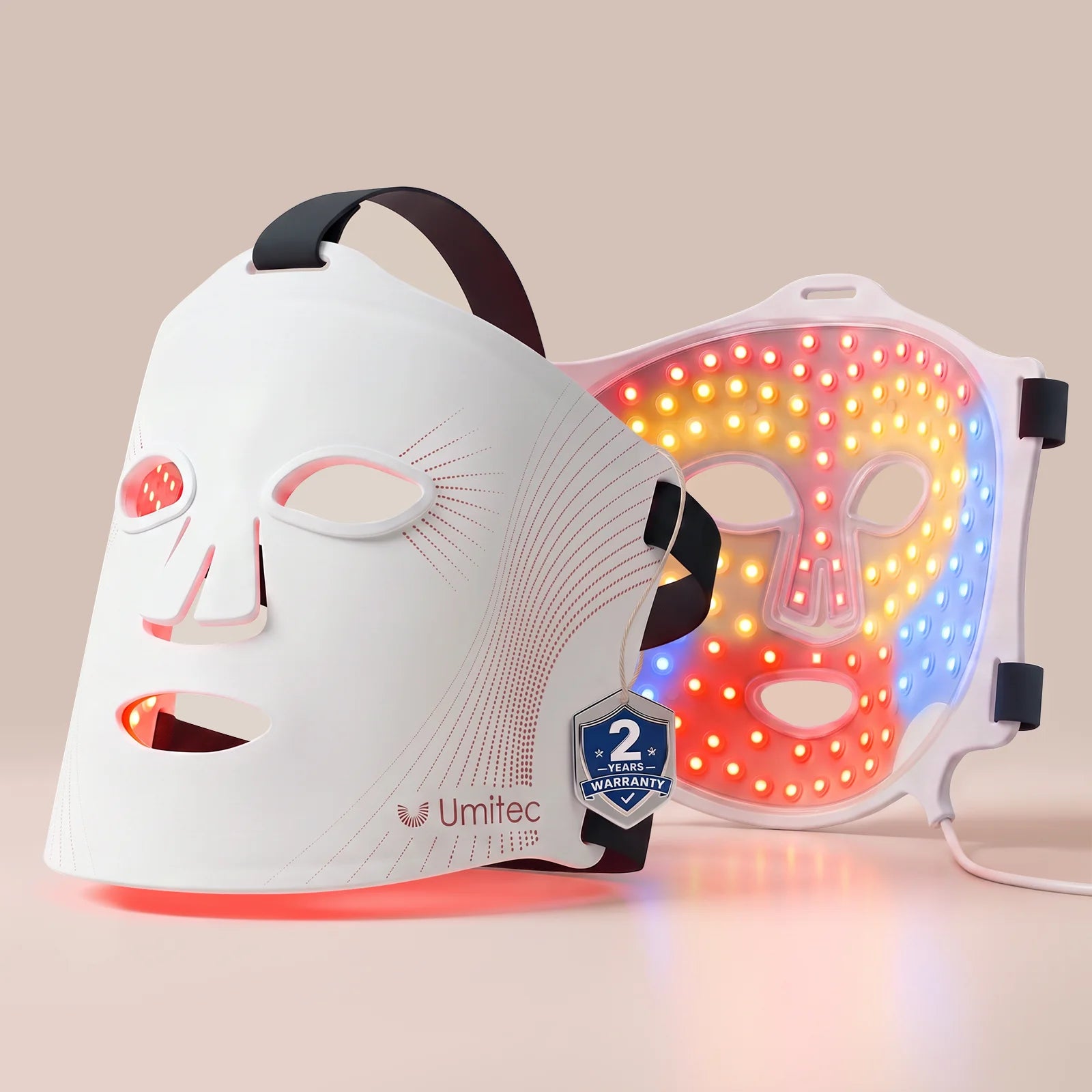
Where more sophisticated devices are changing the calculus is in zone control. Earlier at-home LED masks delivered a single wavelength across the entire face — effective for one concern, but limited in precision. Newer designs allow different wavelengths to be directed to different facial zones simultaneously, which more closely replicates how a practitioner would approach a multi-concern skin assessment.
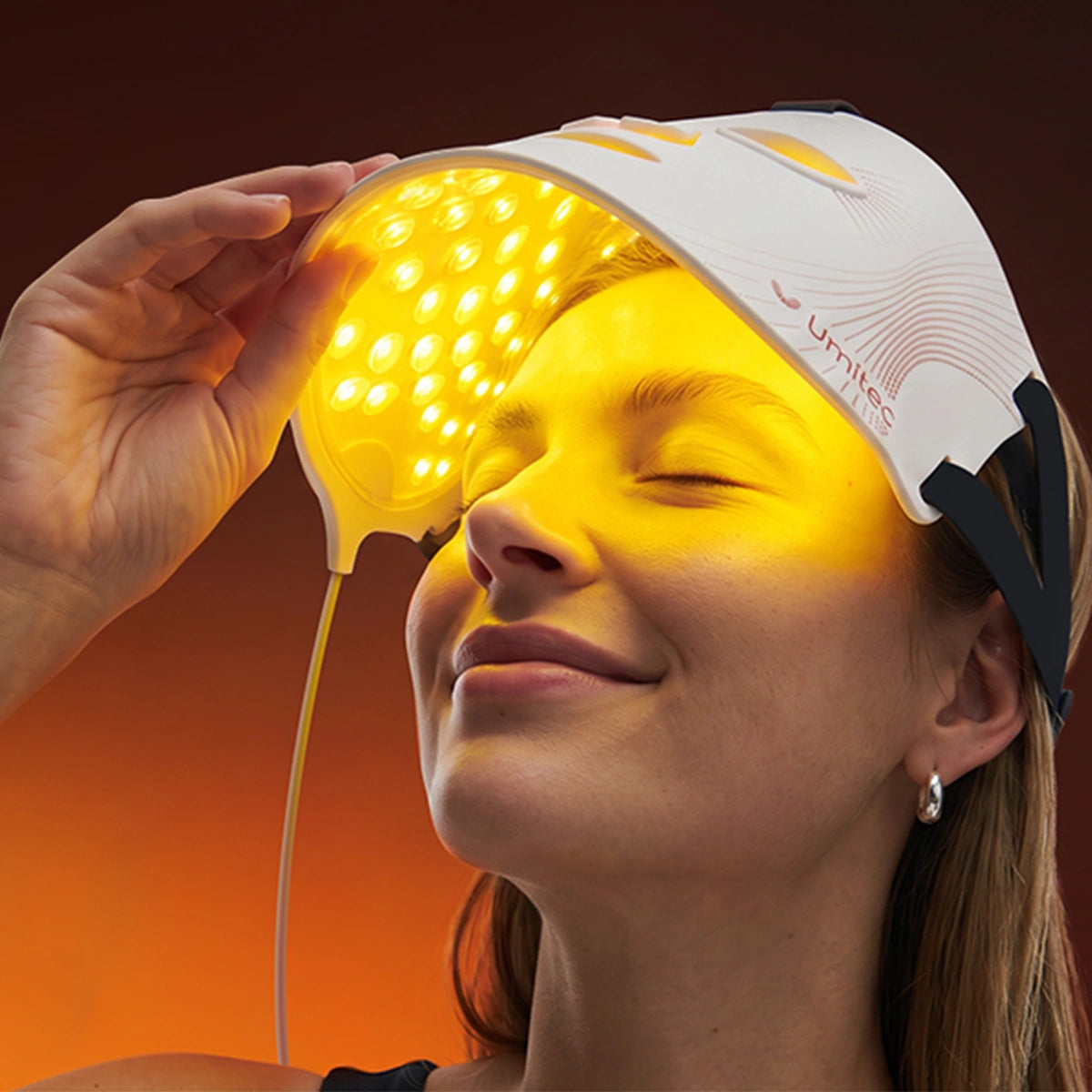
Co-developed with Dr. Yao from Fudan University, the Series 2 uses four wavelengths — blue (415nm), yellow (590nm), red (630nm), and near-infrared (830nm) — delivered via 4-channel independent zone control. This means the T-zone can receive blue light for bacterial management while the cheeks receive red and near-infrared simultaneously, and sensitive areas receive yellow light for barrier support. Each of the 123 high-efficiency LEDs integrates four diodes, producing 492 total light points across the face.
Building it into a routine
The practical question for most people is not whether red light therapy works — the evidence base is sufficiently established for mild-to-moderate skin concerns — but how to integrate it without it becoming another abandoned device. The answer is that the bar for consistency is lower than many expect.
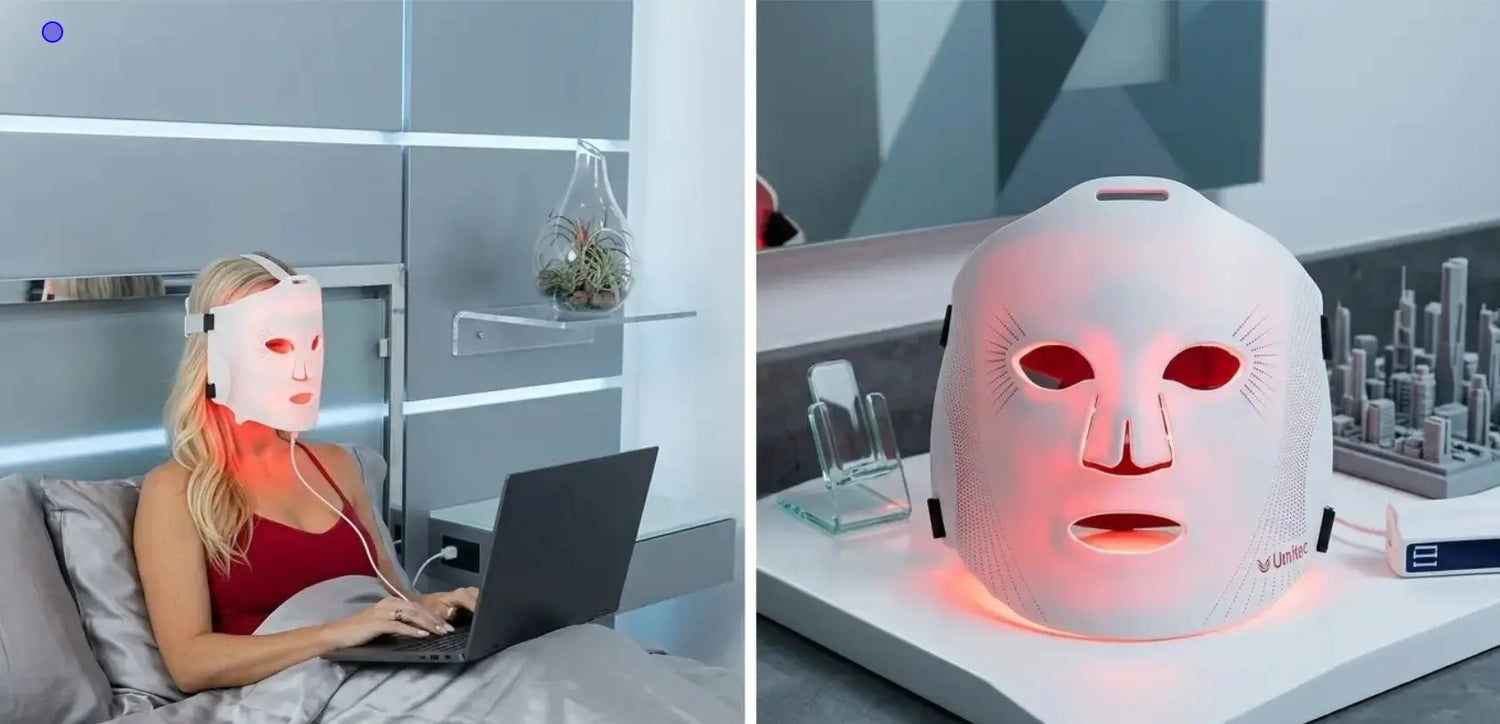
Clinical studies supporting collagen and texture improvements have generally used protocols of two to three sessions per week, with each session running ten to fifteen minutes. That is a manageable commitment — the equivalent of a short podcast episode — and it fits into existing morning or evening routines without requiring significant restructuring.
The Umitec Series 2 is designed around exactly this kind of realistic use pattern: two to three sessions per week, ten minutes per session, with a 4000mAh battery that supports seven to nine sessions per charge. At $209 with a 30-day return window and a two-year free replacement warranty, it sits at a price point that reflects genuine engineering rather than commodity LED assembly — without requiring a premium-tier investment. For consumers who have been watching the red light therapy category and wondering when and how to enter it, the infrastructure has caught up with the interest.
The BON CHARGE report documents something that was already underway: a technology with a credible clinical foundation reaching the kind of consumer adoption that turns it from a niche option into a routine one. The 86% of users who started in the past two years didn't all arrive by accident. They arrived because the devices got better, the evidence got clearer, and the barrier to consistent use got lower. Those conditions haven't changed. If anything, they continue to improve.


Leave a comment
All comments are moderated before being published.
This site is protected by hCaptcha and the hCaptcha Privacy Policy and Terms of Service apply.