

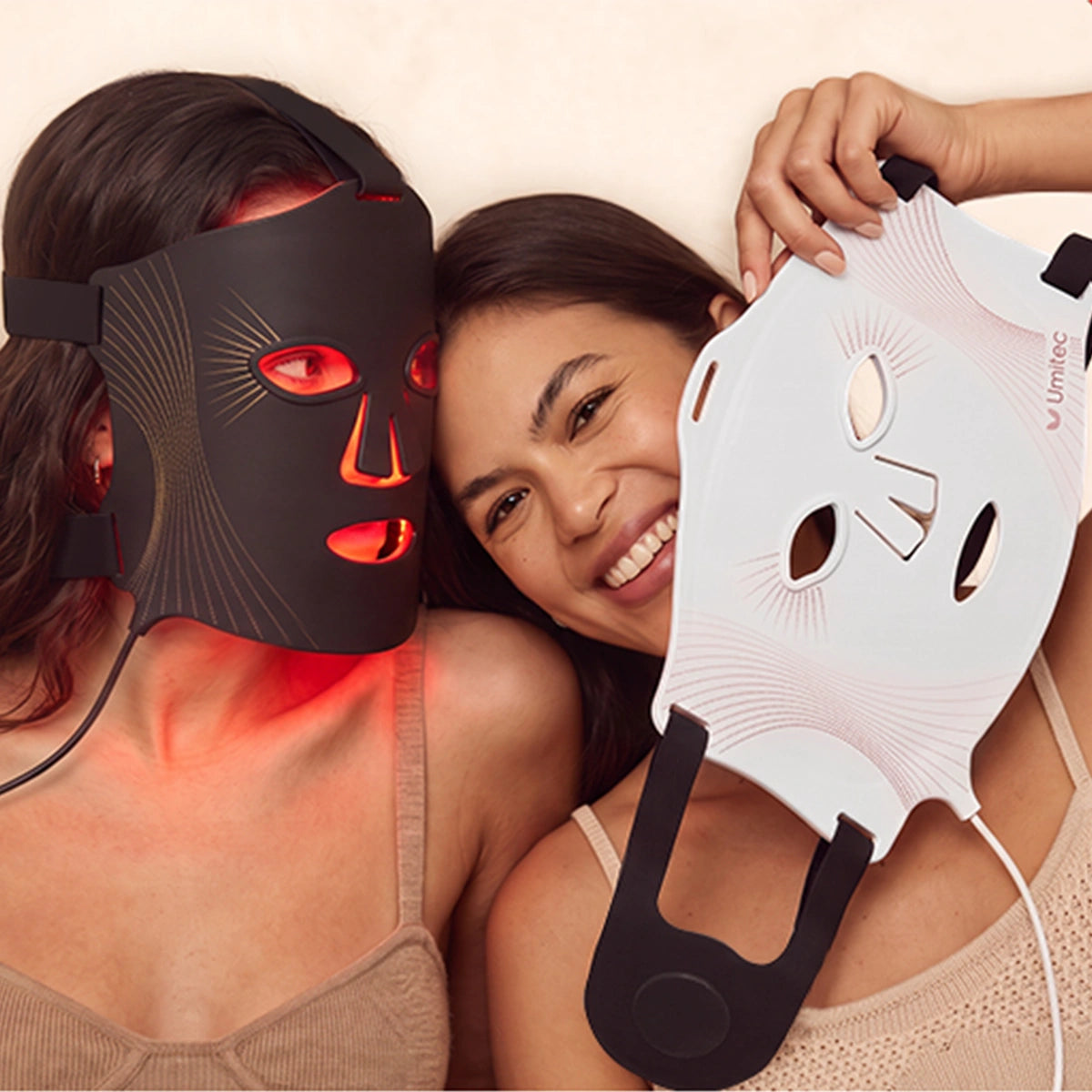
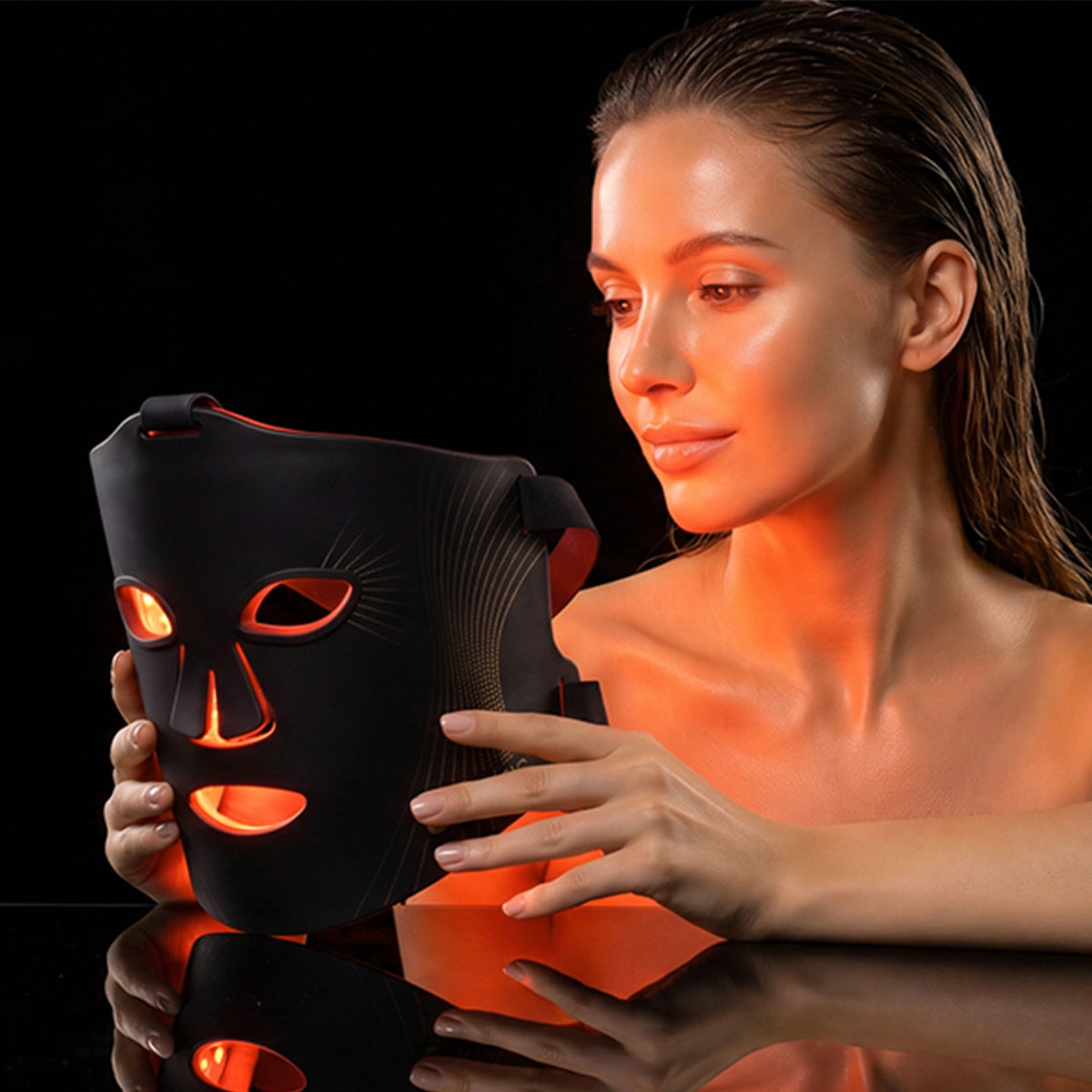


If you're in your thirties or forties and still dealing with breakouts, you're not imagining that something feels different about them. They sit deeper. They last longer. They appear in places — the chin, jaw, and lower cheeks — that weren't a problem in your teens. And frustratingly, the treatments that worked before often don't work the same way now.
Adult acne is more common than most people realize. According to data from the American Academy of Dermatology, acne affects up to 15% of women in adulthood, and a 2025 cross-sectional study found that between 26% and 35% of women at age 30 have clinically identifiable acne. Global incidence of adult acne in people aged 25 and over increased by more than 66% between 1990 and 2021, and projections suggest the trend will continue through 2030. This is not a teenage condition that some adults happen to carry over — it is a distinct clinical picture with different causes, different behavior, and a treatment landscape that is actively evolving.
Why adult acne behaves differently
Teenage acne is primarily driven by the hormonal surges of puberty — a sudden increase in androgens that ramps up sebum production across the face. Adult acne, particularly in women, is tied to the more cyclical and often more subtle hormonal fluctuations of the menstrual cycle, perimenopause, stress, and conditions such as polycystic ovarian syndrome. The result is a different pattern of breakout: more localized around the lower third of the face and neck, more likely to be inflammatory rather than comedonal, and more resistant to the over-the-counter benzoyl peroxide and salicylic acid routines that clear up teenage skin.
There are compounding factors specific to adult skin. Cell turnover slows with age, meaning dead skin cells linger longer and are more likely to trap sebum in pores. The skin barrier, often compromised by years of harsh treatments or environmental exposure, becomes more reactive. Cortisol — the stress hormone — directly stimulates sebaceous glands, which is why breakouts in adults so often correlate with periods of high stress in a way that feels almost mockingly precise. And because many adults with acne also have dry or sensitized skin, the aggressive topical treatments appropriate for oilier teenage skin can cause significant irritation without achieving meaningful clearance.
The antibiotic question
For decades, topical and oral antibiotics have been a cornerstone of acne treatment — and they remain clinically effective. Tetracyclines such as doxycycline and minocycline reduce Cutibacterium acnes (C. acnes) — the bacteria most directly implicated in inflammatory acne — and carry anti-inflammatory properties beyond their antibacterial effects. For moderate to severe acne, dermatologists continue to recommend them, and the 2024 American Academy of Dermatology guidelines affirm their role in treatment protocols.
The concern is not whether antibiotics work. It is how long they need to be used — and what happens over time. C. acnes resistance to commonly prescribed antibiotics has been well documented globally, with resistance rates to erythromycin and clindamycin increasing significantly over decades. A 2025 expert consensus published in the Journal of Clinical and Aesthetic Dermatology noted that "the emergence of resistant C. acnes strains has been linked to treatment failure in acne vulgaris, underscoring the need for judicious antibiotic use to preserve their long-term therapeutic efficacy." The AAD now recommends limiting oral antibiotic courses to a maximum of three to four months and avoiding monotherapy — antibiotics should be paired with benzoyl peroxide specifically to reduce resistance development.
Beyond resistance, long-term antibiotic use disrupts the skin and gut microbiome in ways that are not yet fully understood but are increasingly of concern to dermatologists. For adults who have been on and off antibiotics for acne management across multiple years, the accumulating picture is one of diminishing returns: each course may be less effective than the last, and stopping often leads to rebound flares as bacterial populations reassert themselves.
The question for many adults is not whether to stop antibiotics — that is a decision for a dermatologist — but whether there are evidence-based alternatives that can reduce reliance on them over time.
How blue light therapy targets C. acnes differently
Blue light therapy at 415nm works through a mechanism that has nothing to do with systemic antibiotic pathways — which is precisely what makes it an interesting complement to, or eventual partial substitute for, antibiotic-dependent regimens. C. acnes naturally produces compounds called porphyrins (specifically coproporphyrin III and protoporphyrin IX), which have their peak light absorption in the 407–420nm range. When skin is exposed to blue light at 415nm, these porphyrins are photoexcited — they absorb the light energy and generate reactive oxygen species and singlet oxygen, which damage the bacterial cell membrane and result in bacterial destruction. The bacteria, in effect, help destroy themselves.
Because this mechanism operates entirely at the surface and upper layers of the skin — blue light penetrates to approximately 0.3–1.5mm — it does not interact with systemic bacterial populations, does not affect the gut microbiome, and does not create the conditions for antibiotic resistance. There is no resistance pathway for bacteria to develop against photoexcitation of their own porphyrins in the same way resistance develops against chemical antibiotics. This is the core of why dermatologists and researchers are paying closer attention to it.
Antibiotics
Mechanism
Bacteriostatic or bactericidal activity against C. acnes; anti-inflammatory properties via cytokine modulation
Key limitations
Resistance development over time; gut and skin microbiome disruption; rebound flares after stopping; guidelines recommend limiting to 3–4 months
Still standard of care for moderate-to-severe acne under dermatological supervision
Blue light therapy (415nm)
Mechanism
Photoexcitation of bacterial porphyrins → reactive oxygen species → C. acnes membrane destruction; no systemic pathway
Key limitations
Most effective for mild-to-moderate inflammatory acne; requires consistent, repeated use; does not address hormonal or sebum-production drivers directly
Best positioned as a daily-maintenance adjunct, not a standalone cure for severe acne
Clinical evidence for blue light therapy is broadly positive for mild-to-moderate inflammatory acne, with multiple randomized trials and systematic reviews confirming meaningful reductions in inflammatory lesion counts. It is not a cure — it does not address the hormonal drivers of adult acne, does not reduce sebum production at the glandular level the way isotretinoin does, and has shown more modest results for non-inflammatory (comedonal) acne. But as part of a consistent daily or near-daily routine, it offers a non-systemic way to keep bacterial load suppressed between other treatments.
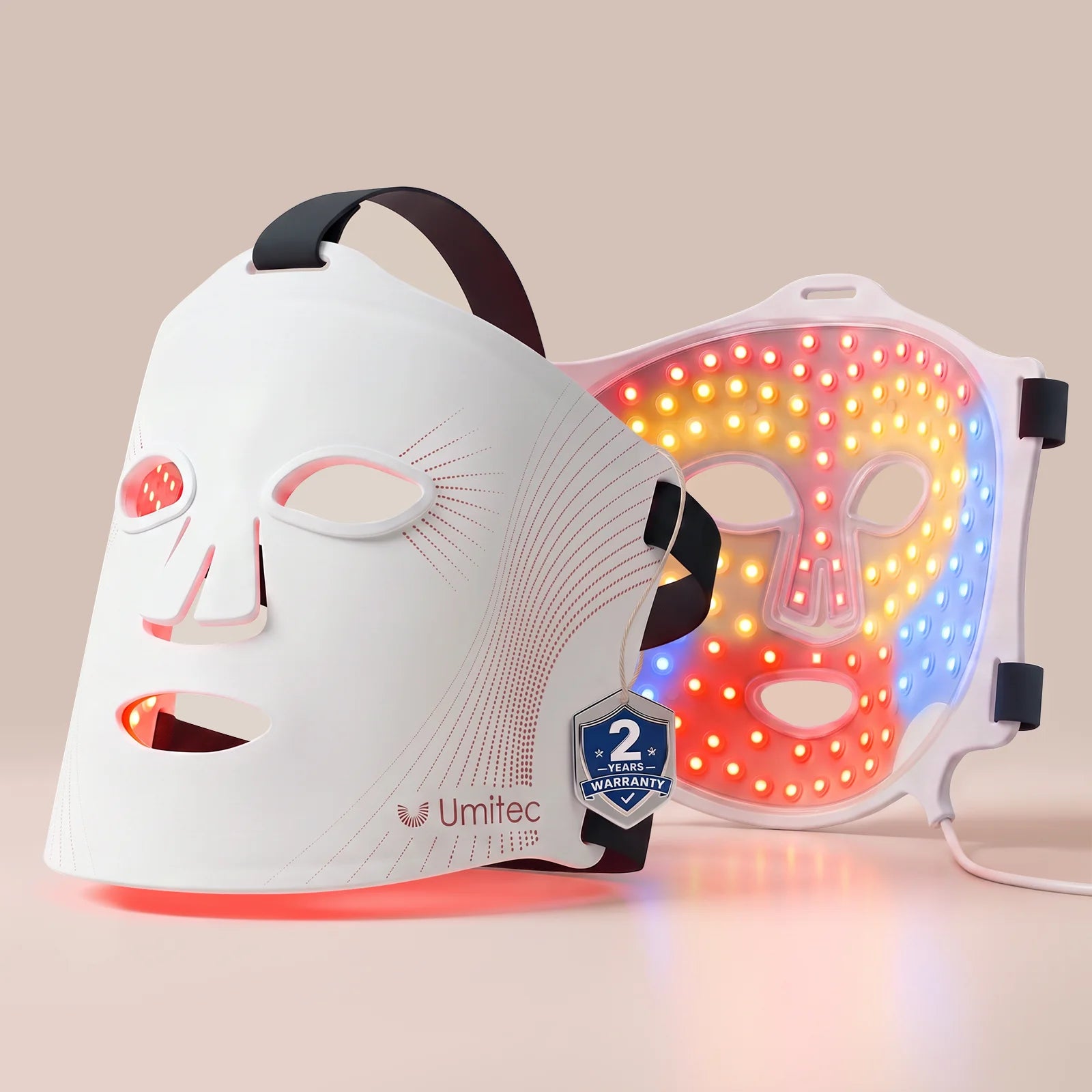
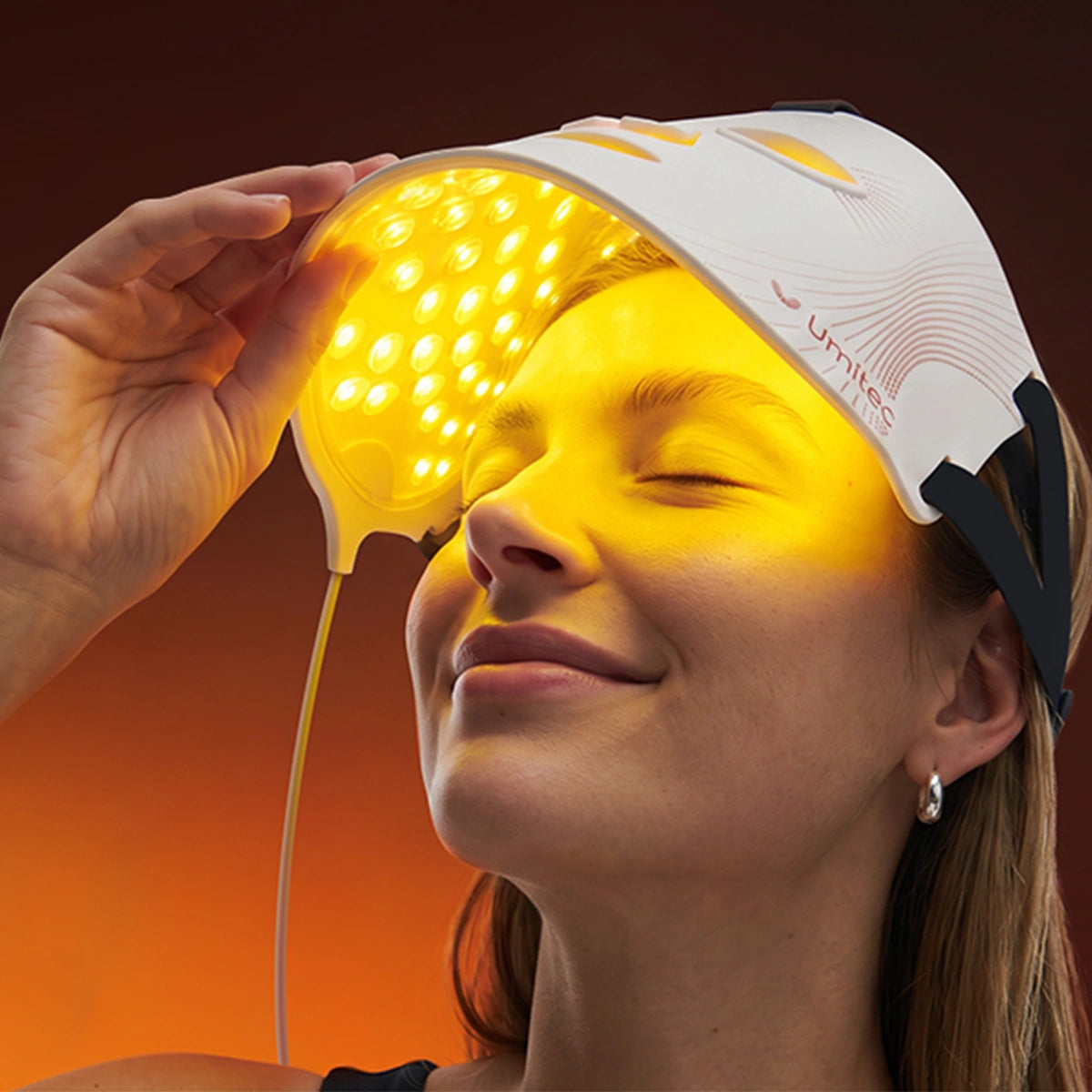
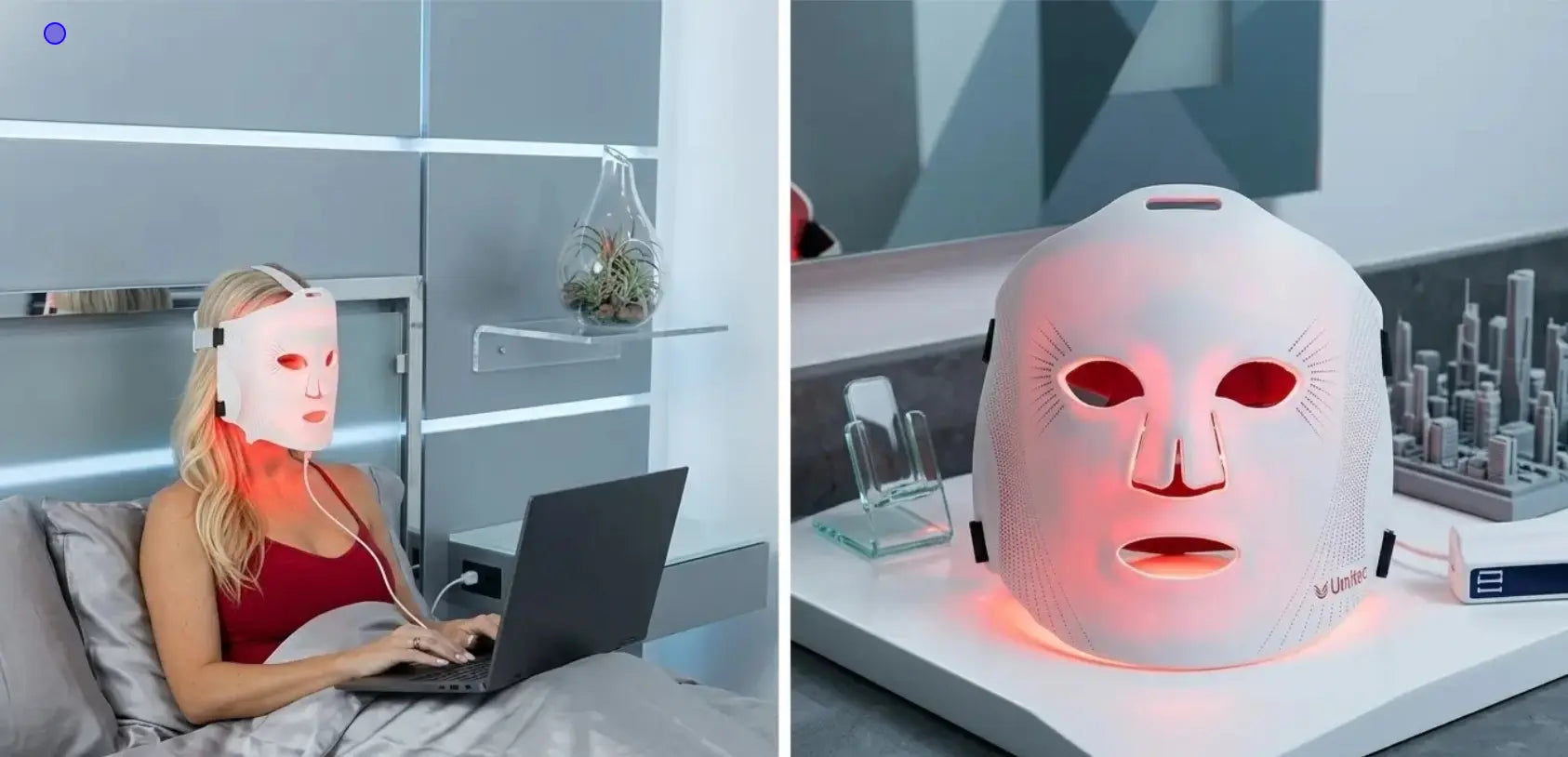
For adults managing persistent mild-to-moderate breakouts who are trying to reduce antibiotic dependence, or who have found that their skin no longer tolerates the drying topical regimens of earlier years, blue light therapy at 415nm represents a genuinely different approach rather than a variation on the same theme. Devices like the Umitec LED Therapy Face Mask Series 2, which include a dedicated 415nm blue light mode, make this kind of consistent at-home use practical — the mechanism only works if the treatment is applied regularly, and session-by-session home use is what makes that consistency achievable.
Building blue light into an adult acne routine
Consistency matters more than intensity with blue light therapy. Clinical studies showing meaningful results have typically involved sessions three to five times per week over four to eight weeks, with ongoing maintenance use thereafter. Using it once or twice and expecting dramatic results misunderstands what the treatment does — it gradually reduces the bacterial population on the skin's surface, and that reduction needs to be maintained.
In terms of what to combine it with: blue light therapy works well alongside topical retinoids (applied separately, not simultaneously), niacinamide, and azelaic acid — all of which address aspects of adult acne that blue light does not target directly, such as post-inflammatory hyperpigmentation and pore congestion. Apply blue light on clean, product-free skin, then layer other treatments afterward. Avoid pairing sessions with freshly applied photosensitizing actives like prescription retinoids or high-concentration AHAs on the same occasion.
The Umitec LED Therapy Face Mask Series 2 is one option worth considering for adults building this kind of routine. Its 415nm blue light mode delivers the wavelength most clinically associated with C. acnes disruption, while the additional red light mode — which supports barrier recovery and reduces post-inflammatory redness — is particularly relevant for adult skin that tends to be sensitized alongside being acne-prone. Using both modes as part of a single routine addresses two of the most common complaints in adult acne simultaneously.
When to see a dermatologist
Blue light therapy is an adjunct, not a replacement for professional care. If your acne is moderate to severe, is causing scarring, has not responded to consistent at-home treatment over two to three months, or is clearly tied to a hormonal pattern that suggests an underlying condition, a board-certified dermatologist should be your first call. Hormonal treatments, prescription retinoids, and in some cases isotretinoin remain the most effective interventions for complex adult acne — and none of them are replicated by light therapy alone.
What has changed in the understanding of adult acne over the past few years is less about discovering new treatments and more about recognizing the limitations of defaulting to long-term antibiotics as the only maintenance option. The dermatology community is actively rethinking antibiotic stewardship in acne, and blue light therapy — with its non-systemic, resistance-free mechanism — sits squarely in the category of tools worth taking seriously. Not as a shortcut, but as a sustainable part of how adults manage a condition that, for many, is no longer a phase.
If you're ready to add blue light therapy to your routine, the Umitec LED Therapy Face Mask is designed for exactly this kind of consistent, session-by-session use — Shop now →Umitec LED Therapy Face Mask

Leave a comment
All comments are moderated before being published.
This site is protected by hCaptcha and the hCaptcha Privacy Policy and Terms of Service apply.