
Skin cycling has taken over everyone's nighttime routine — but nobody's really answered where a light therapy device is supposed to go in it. Here's a sensible way to think about it.
If you've spent any time on skincare TikTok in the last couple of years, you already know about skin cycling. If you own an LED mask, you've probably also wondered where it's supposed to go in that schedule — do you use it every night? Only on "off" nights? Right after your retinoid? Nobody seems to have written the answer, so here it is.
A quick refresher: what skin cycling actually is
Skin cycling is a four-night skincare framework created by dermatologist Dr. Whitney Bowe, built around a simple idea: give your skin scheduled rest between potentially irritating active ingredients instead of layering everything, every night. The classic four-night cycle breaks down like this:
- Night 1 — Exfoliation: a chemical exfoliant (AHA/BHA/PHA) to clear away dead skin cells
- Night 2 — Retinoid: a retinol or retinal treatment to support cell turnover and collagen
- Nights 3 & 4 — Recovery: no actives — just hydration and barrier-repair products
- Then the cycle repeats
The whole point is pacing. Actives work better when skin isn't constantly inflamed from overuse, and recovery nights give the barrier time to actually repair itself before the next round of exfoliant or retinoid.
So where does LED actually belong?
The honest answer: there's no published study testing LED light therapy layered into a skin cycling routine specifically. What follows is a sensible framework based on the same logic Dr. Bowe built skin cycling on — not a claim that this exact combination has been clinically tested.
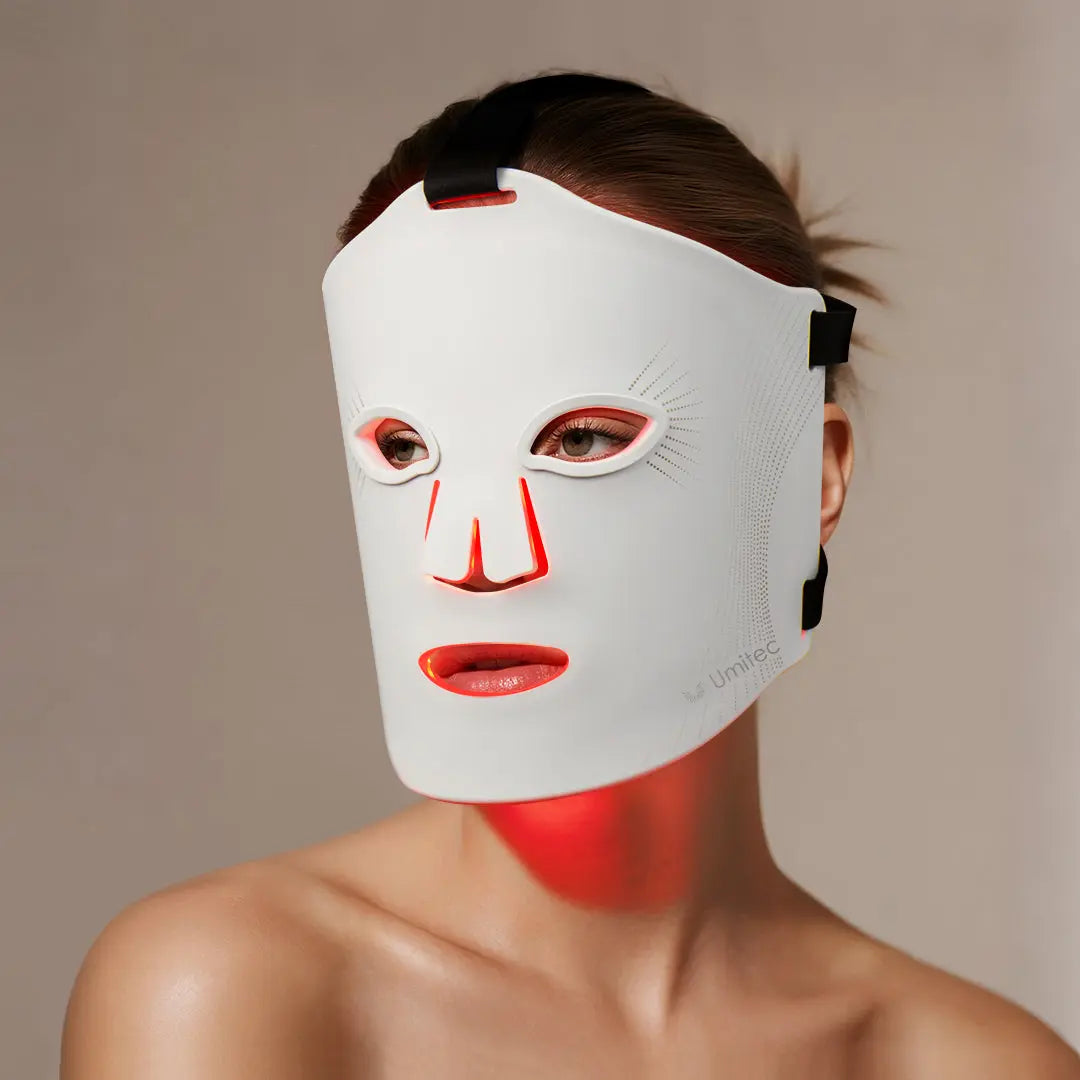
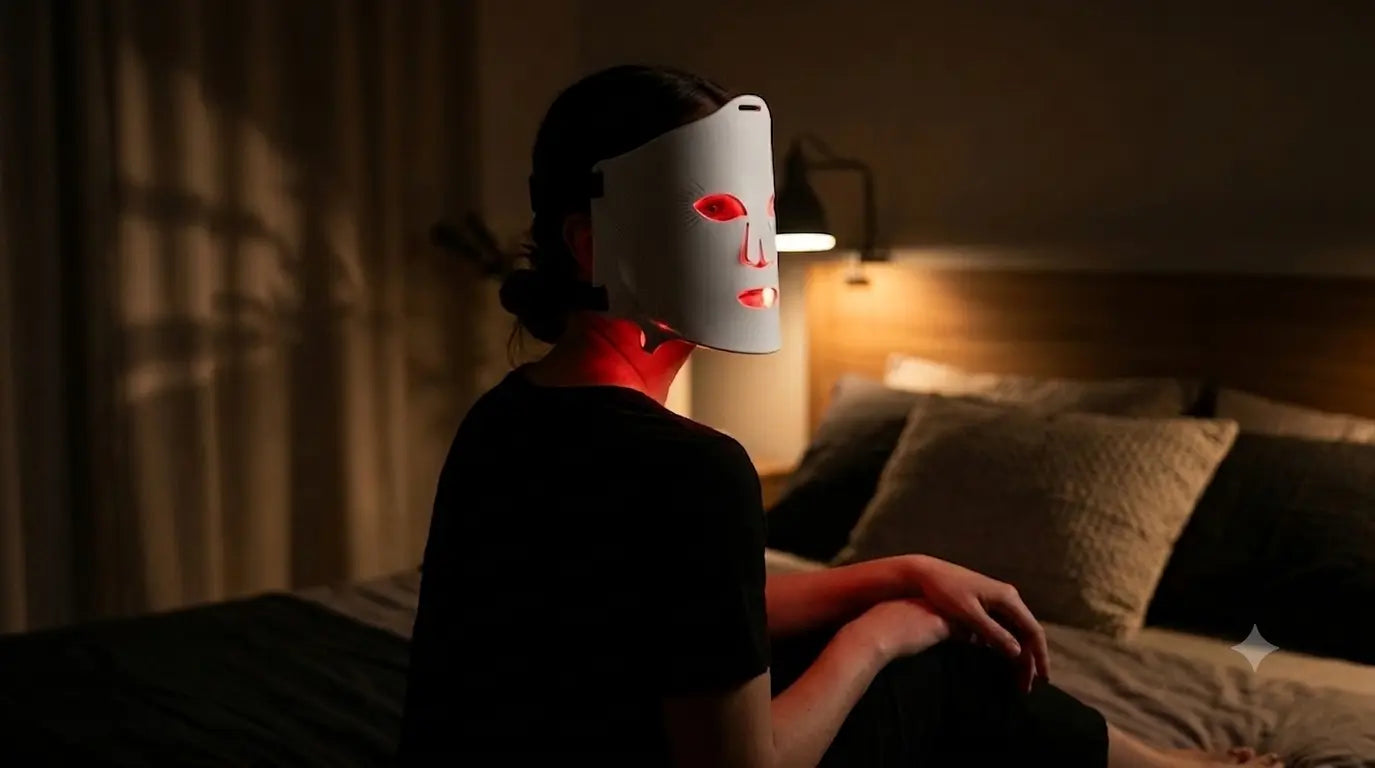
With that said, the logic maps pretty cleanly. Recovery nights (Night 3 and 4) are the natural home for LED therapy — especially red light. Red light's role is to support collagen and skin quality without introducing any new chemical actives, which fits exactly what a recovery night is supposed to be: repair-focused, not irritation-focused. You're not adding another "push" ingredient — you're adding a repair-supporting step to a night that's already built around repair.
Why exfoliation and retinoid nights are trickier
On Night 1 and Night 2, your skin is already dealing with something new — an acid resurfacing the surface, or a retinoid ramping up cell turnover. Neither of those is necessarily unsafe to pair with LED, but stacking a light therapy session onto the same night as a fresh active makes it harder to tell what's causing irritation if your skin reacts. Skin cycling's entire philosophy is about not overloading skin on any single night — so it makes sense to extend that same caution to your LED sessions, at least while you're still figuring out how your skin handles the combination.
If you've been skin cycling for a while and know your skin tolerates actives well, this is a much smaller concern. But for anyone newer to either skin cycling or LED therapy, keeping them on separate nights is the more conservative — and more diagnosable — approach.
Blue light is a bit more flexible
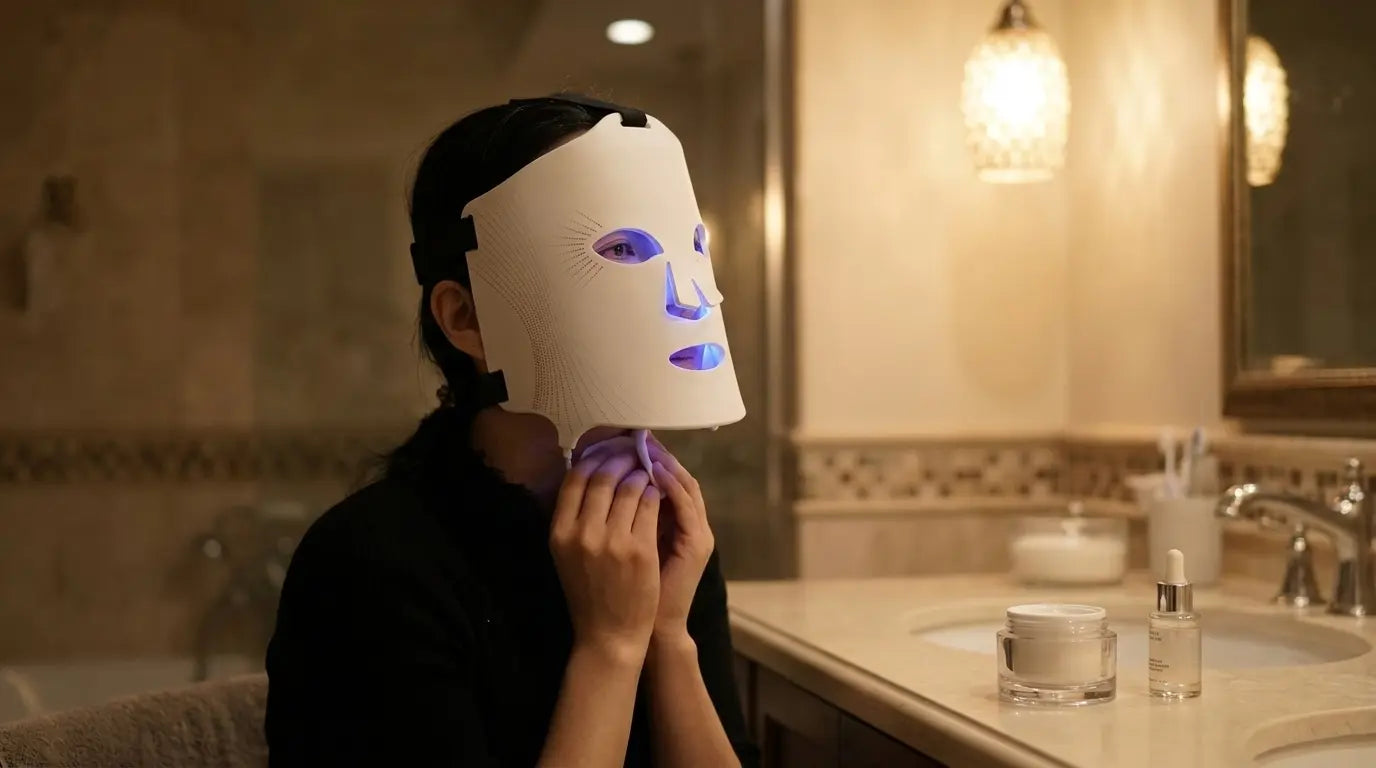
If breakouts are more of a concern for you than fine lines, blue light doesn't carry quite the same conflict. It works on surface bacteria and inflammation rather than exfoliating the skin, so it can reasonably be used on nights outside the strict "recovery-only" rule — just still avoid piling it directly onto a strong acid night while your skin is at its most reactive.
A sample weekly schedule
| Night | Skin cycling step | LED session? |
|---|---|---|
| Night 1 | Exfoliation | Skip (or blue light only, if acne-focused) |
| Night 2 | Retinoid | Skip |
| Night 3 | Recovery | Red light, 10 minutes |
| Night 4 | Recovery | Red light, 10 minutes |
That lands you at two LED sessions per four-night cycle — roughly 3–4 sessions a week once the cycle repeats, which fits comfortably within the general 3–5 sessions per week most LED devices, including the Umitec Series 3, recommend. If you want an extra session in, adding a light blue-light-only round on Night 1 is a reasonable place to fit it, since it doesn't compound with the exfoliant the way a full red-light or Complete Mode session might.
How to tell if you're overdoing it
Skin cycling already trains you to watch for irritation signals — tightness, redness, unusual sensitivity — as a cue to dial back a night. Apply the same logic here. If your skin feels more reactive than usual after adding LED sessions into the mix, the fix isn't necessarily to stop using the device — it's usually to separate it further from your active nights, or drop to the lower end of the recommended frequency for a week. For a broader sense of what's typical versus what's worth paying attention to during early sessions, our guide on what's normal vs. not during your first LED sessions is worth a read.
The takeaway
Skin cycling and LED light therapy weren't designed together, but they share the same underlying logic: pace your skin's exposure to anything intense, and give it real recovery time. Slotting red light into your recovery nights — and keeping blue light more flexible if acne is your main concern — is a reasonable way to combine both without guessing.
If you're building this into your routine and want a device flexible enough to move between red, blue, and combined modes depending on the night, the Umitec LED Therapy Face Mask — Series 3 covers all of it in one device. You can also browse the full LED light mask collection if you're still deciding which setup fits your routine. Either way, the same rule applies as everywhere else in skin cycling: less, but smarter, usually wins.

发表评论
所有评论在发布前都会经过审核。
此站点受 hCaptcha 保护,并且 hCaptcha 隐私政策和服务条款适用。