




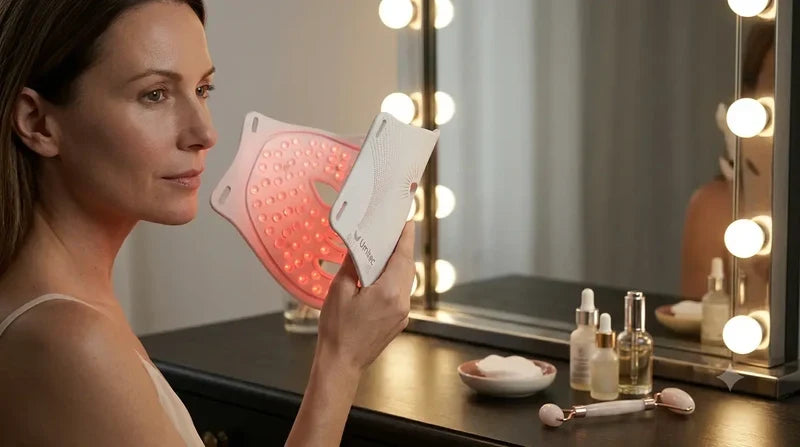
Skin cycling has become a popular way to organize an evening skincare routine. By alternating exfoliation, retinoids, and recovery nights, this approach helps people pace the use of active ingredients instead of layering everything together every night.
But what happens when you also want to use an LED face mask?
Should you use red light on recovery nights? Can blue light therapy fit into an acne-focused routine? And is it safe to combine LED light therapy with retinol or exfoliating acids?
Although skin cycling and LED light therapy were not originally designed as a combined treatment plan, understanding how each works can help you build a more considered routine.
Here's how to think about combining LED light therapy and skin cycling, with practical scheduling suggestions for different skincare priorities.
1. A Quick Refresher: What Is Skin Cycling?
Skin cycling is a four-night skincare framework popularized by dermatologist Dr. Whitney Bowe. Its central idea is to alternate potentially irritating active ingredients with recovery nights, rather than using multiple strong products every evening.
A classic four-night skin cycling routine looks like this:
-
Night 1 — Exfoliation: Apply a chemical exfoliant, such as an AHA, BHA, or PHA product, to help remove dead skin cells.
-
Night 2 — Retinoid: Use a retinol or retinal product as directed to support skin renewal and improve the appearance of fine lines and uneven texture.
-
Night 3 — Recovery: Skip exfoliating acids and retinoids. Focus on hydration and skin-barrier care.
-
Night 4 — Recovery: Continue with gentle, moisturizing products and allow your skin to rest.
Then the cycle repeats.
The main principle is pacing. Not every active ingredient needs to be used every night, and recovery nights can help reduce the risk of irritation associated with overuse.
2. Where Does LED Light Therapy Fit Into Skin Cycling?
First, an important distinction: there is currently no established clinical protocol specifically testing LED light therapy as part of Dr. Bowe's four-night skin cycling routine.
The suggestions below are therefore a practical framework based on general skincare principles and research into LED light therapy, not a clinically validated combination schedule.
Why Recovery Nights May Be a Good Starting Point
Recovery nights are designed to keep your skincare routine simple. You avoid stronger exfoliating and retinoid products and focus instead on hydration and skin comfort.
For people who want to introduce LED light therapy into their skin cycling routine, these nights may be a convenient place to start.
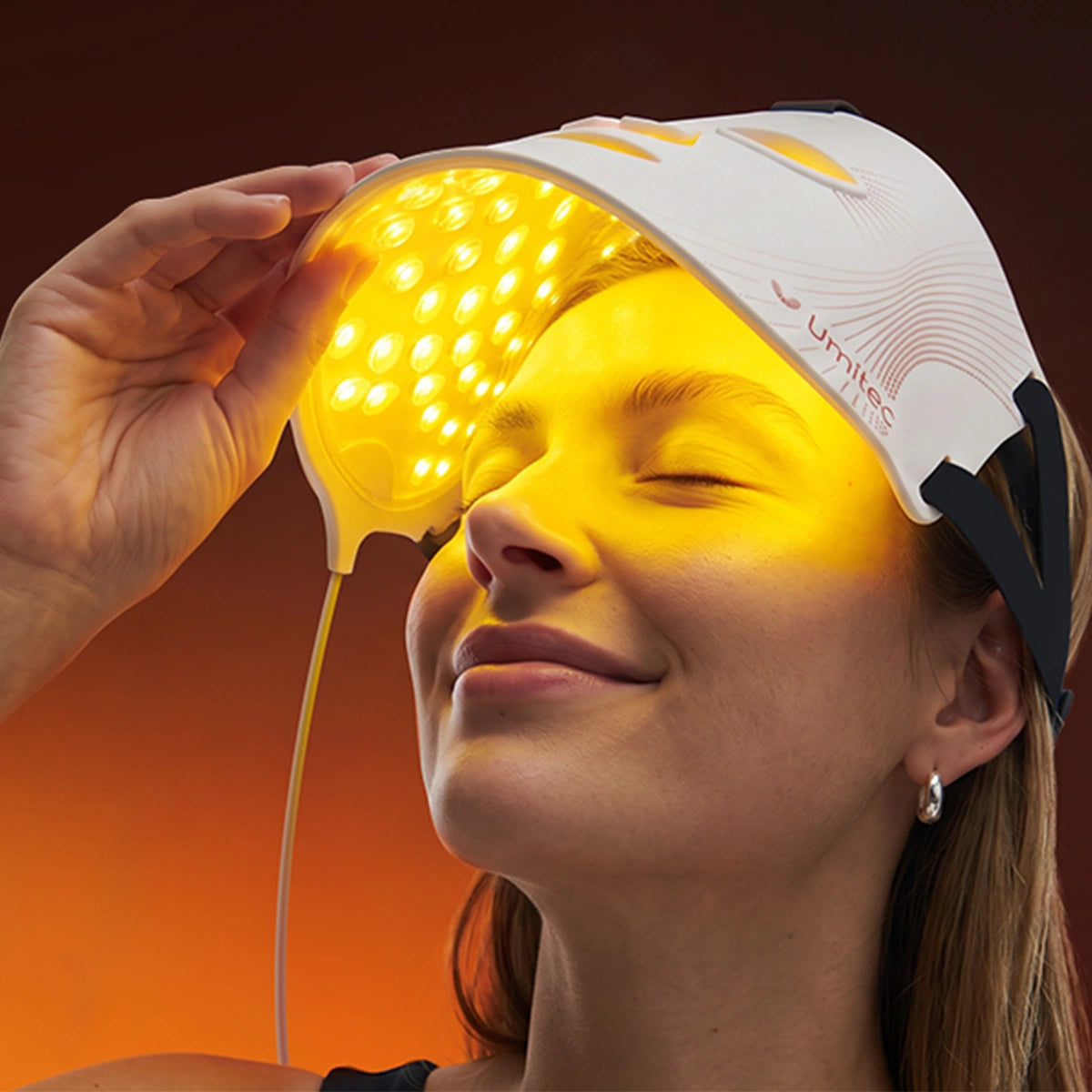
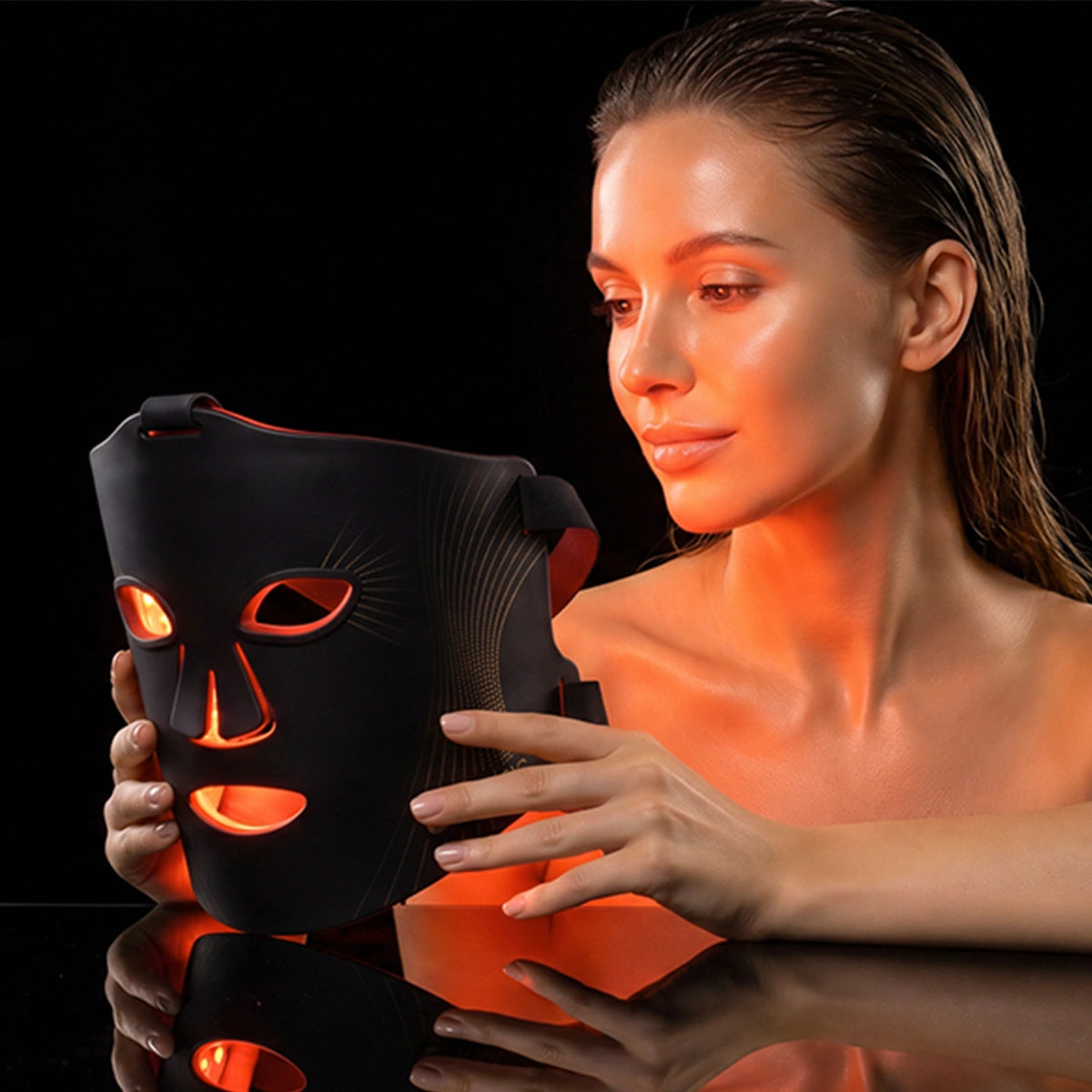
Red light therapy has been studied for its potential effects on skin appearance, including the appearance of fine lines and skin quality. Unlike exfoliating acids and retinoids, LED light therapy does not work by chemically exfoliating the skin.
This makes a recovery night a practical time to introduce a red-light session, provided your skin tolerates the treatment and your device instructions allow it.
However, red light therapy should not be described as a replacement for moisturizers or proven skin-barrier treatments. Keep using your usual gentle hydration and barrier-supporting products.
Why Exfoliation and Retinoid Nights Require More Care
On Night 1, your routine includes an exfoliating acid. On Night 2, you introduce a retinoid.
Both can cause dryness, redness, or increased sensitivity, particularly when you are new to them or using them too frequently.
There is not enough evidence to say that every LED treatment must be avoided on these nights. However, introducing multiple new skincare steps at once can make it harder to identify what is causing irritation.
If you are new to LED light therapy or skin cycling, keeping your LED sessions separate from exfoliation and retinoid nights is a conservative starting point.
Once you understand how your skin responds, you can discuss any changes with a qualified skincare professional and follow the instructions for your specific device and active ingredients.
What About Blue Light Therapy?
Blue light therapy is studied for its potential role in acne care.
Certain wavelengths of blue light can activate porphyrins associated with Cutibacterium acnes (C. acnes), generating reactive oxygen species that may damage the bacteria.
Unlike exfoliating acids, blue light does not remove dead skin cells through chemical exfoliation. However, that does not mean every person can use it alongside every active ingredient without concern.
If acne is your main concern, blue light may be a useful part of an LED skincare routine. Consider your skin's sensitivity, the instructions for your LED device, and how your skin responds when using exfoliating products.
For beginners, separating blue-light sessions from strong exfoliation nights can make it easier to monitor your skin's response.
3. A Sample Skin Cycling and LED Light Therapy Schedule
If you are just beginning to combine LED light therapy with skin cycling, a simple schedule can help you avoid introducing too many changes at once.
| Night | Skin cycling step | Possible LED approach |
|---|---|---|
| Night 1 | Exfoliation | Skip LED while establishing your routine |
| Night 2 | Retinoid | Skip LED while establishing your routine |
| Night 3 | Recovery | Consider a red-light session |
| Night 4 | Recovery | Consider a red-light session or rest |
This is an example of a conservative routine, not a medically established schedule. You do not need to use LED light therapy on every recovery night.
Start with a frequency and session duration permitted by your device's instructions. If your skin becomes uncomfortable or unusually sensitive, reduce the frequency or pause treatment.
If acne is your primary concern, you may also consider how blue light fits into your routine. However, do not add extra sessions simply to reach a particular weekly target.
Consistency and skin tolerance are more important than maximizing the number of sessions.
4. How Zone-Based LED Therapy Can Add Flexibility to Your Routine
Your face does not necessarily have the same skincare needs everywhere.
The T-zone may be more prone to excess oil and blemishes, while the eye area may be a greater concern for visible fine lines. Your cheeks and the area around your mouth may have different priorities.
A conventional full-face LED treatment provides an overall session, but a zone-based approach offers another way to organize your skincare routine.
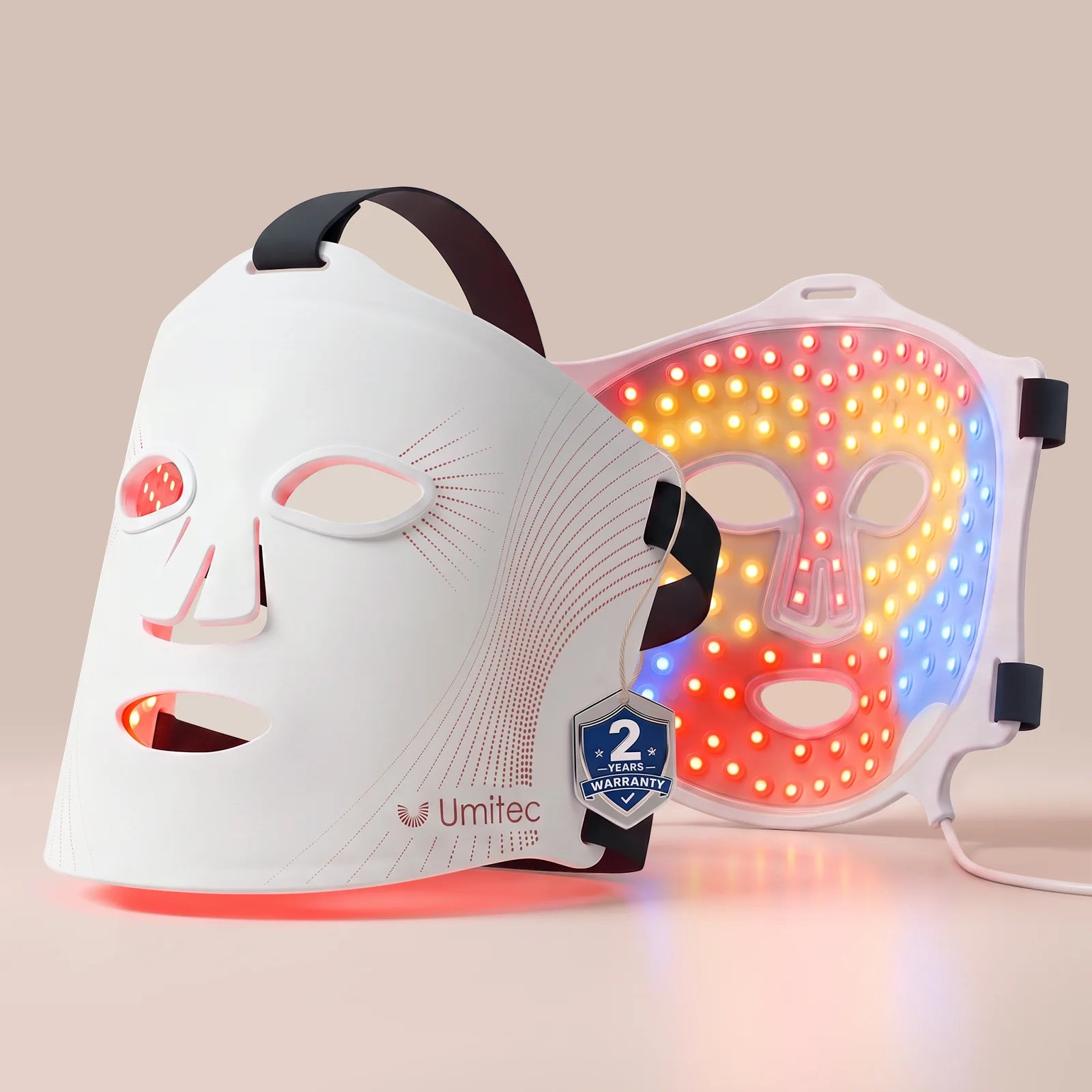
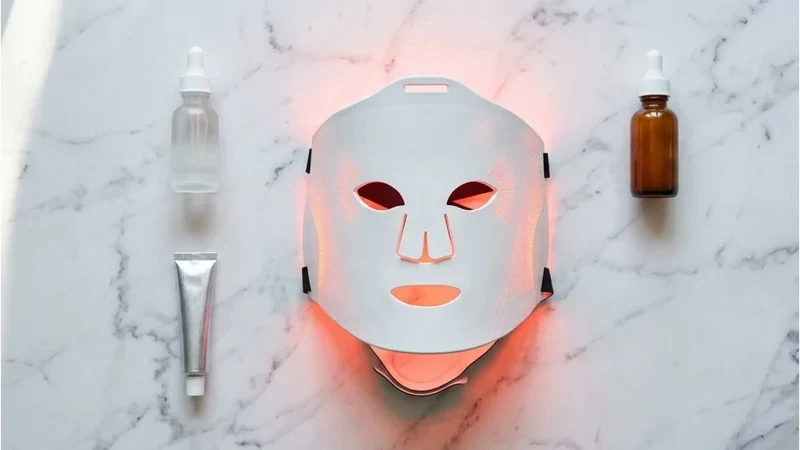
UMITEC ZoneCraft LED Light Therapy Mask Series 3 is designed around four targeted facial zones:
-
T-zone: A dedicated blue-light setting for targeted acne-prone areas.
-
Eye area: Red light combined with near-infrared light for concerns related to the appearance of fine lines.
-
Cheek area: A dedicated setting for cheek-area skincare concerns.
-
Lip area: A dedicated setting for the skin around the mouth.
The mask also includes a full-face mode for users who prefer an overall treatment.
The benefit of ZoneCraft is flexibility. Rather than automatically treating every area in exactly the same way, you can select the zone that matches your skincare priorities.
For example, if your main concern is blemishes around your T-zone, you can choose targeted blue-light care for that area. If your focus is the appearance of fine lines around your eyes, you can select the corresponding eye-area setting.
This does not mean full-face LED treatment is ineffective. Full-face mode remains an option for an overall skincare session. Zone-based treatment simply gives you more control over where you focus your routine.
Discover the UMITEC ZoneCraft LED Therapy Face Mask Series 3.
5. How to Tell If Your Skin Is Getting Too Much
Skin cycling encourages you to pay attention to how your skin responds to active ingredients. The same principle applies when introducing LED light therapy.
Watch for signs such as:
-
Persistent redness or unusual sensitivity
-
Burning or stinging sensations
-
Increased dryness or discomfort
-
Swelling, unusual itching, or worsening irritation
If you experience these symptoms, stop using the device and review your skincare routine. Do not try to compensate by adding more products or extending treatment time.
If symptoms persist or become severe, seek advice from a qualified healthcare professional.
Can I Use an LED Face Mask With Retinol?
There is no universal rule that every LED device must be avoided with retinol. However, retinoids can cause dryness and irritation, particularly when you first introduce them.
If you are new to either treatment, consider using them on separate nights so you can better monitor your skin's response. Follow the instructions for your device and skincare products.
Should I Use Red Light Therapy on Recovery Nights?
Recovery nights can be a practical time to introduce red light therapy because your routine is already focused on gentle skincare rather than exfoliating acids or retinoids.
However, this is a suggested scheduling approach, not a clinically proven requirement.
Can I Use Blue Light Therapy on Exfoliation Nights?
Blue light is not an exfoliating ingredient, but your skin may be more sensitive after using an exfoliating acid.
If you are new to combining these treatments, consider separating them and monitoring how your skin responds.
Does LED Light Therapy Replace Skin Cycling?
No. Skin cycling is a way to organize topical skincare ingredients, while LED light therapy uses specific wavelengths of light.
They serve different purposes and should not be treated as interchangeable. An LED mask does not replace sunscreen, moisturizers, retinoids, or other skincare products recommended for your individual needs.
How Often Should I Use an LED Face Mask?
The recommended frequency depends on the device. Follow the treatment schedule in your LED mask's user manual rather than assuming that more sessions will produce better results.
The Takeaway
Skin cycling and LED light therapy were not designed as one combined treatment, but they can be considered within the same skincare routine.
Recovery nights may be a convenient starting point for red-light sessions, while blue light may be relevant when acne-prone areas are a priority. The key is to introduce treatments gradually, avoid unnecessary irritation, and pay attention to how your skin responds.
With targeted options such as UMITEC ZoneCraft, you can also choose different treatment areas according to your skincare priorities rather than relying exclusively on one full-face setting.
A thoughtful skincare routine is not about adding more steps. It's about choosing the right steps, at the right pace, for your skin.

Leave a comment
This site is protected by hCaptcha and the hCaptcha Privacy Policy and Terms of Service apply.