


Not all skin is the same. Some people struggle with excess oil and frequent breakouts, while others deal with dryness, uneven texture, or visible fine lines. And if you have combination skin, you may experience several of these concerns at once.
So, how should you choose an LED light therapy routine for your skin type?
The answer isn't simply to match one skin type with one light color. Your skin type describes how your skin generally behaves, while your individual skin concerns help determine what you may want to focus on.
Understanding the difference can help you make better use of an LED face mask, choose suitable skincare products, and build a routine that feels comfortable and consistent.
1. First, Understand Your Skin Type
Before choosing an LED treatment, it helps to understand your skin's general characteristics.
Dermatologists commonly describe five broad skin types: normal, dry, oily, combination, and sensitive.
Here's a simple overview:
-
Dry skin: Often feels tight, rough, or flaky, with less noticeable surface oil.
-
Oily skin: Produces more sebum and may appear shiny, particularly around the forehead, nose, and chin.
-
Combination skin: Typically has an oilier T-zone and drier or more balanced cheeks.
-
Normal skin: Generally feels comfortable and balanced, without persistent excess oil or dryness.
-
Sensitive skin: Reacts more easily to skincare products or environmental factors, sometimes with redness, itching, stinging, or discomfort.
Remember that these categories are not mutually exclusive. For example, you can have dry and sensitive skin, or oily and acne-prone skin.
Your skin can also change with the seasons, hormones, age, and environmental conditions.
The important distinction: Skin type tells you about your skin's general condition. Skin concerns tell you what you want to address.
2. LED Light Therapy for Dry Skin
Dry skin is often associated with tightness, rough texture, and a less comfortable skin barrier.
If your main concerns are visible fine lines, uneven texture, or the appearance of aging, red light therapy may be worth exploring.
Red light has been studied for its potential effects on skin appearance, including collagen-related processes and the appearance of fine lines. However, LED treatment does not replace the daily moisturizing and barrier-supporting care that dry skin needs.
Tips for using an LED mask with dry skin
-
Start with clean, dry skin: Remove makeup and surface residue before treatment, following your device instructions.
-
Keep your routine gentle: Avoid introducing several potentially irritating active ingredients at once.
-
Moisturize after treatment: Apply a moisturizer suited to your skin to help maintain hydration and comfort.
-
Pay attention to sensitivity: If your skin feels unusually tight, irritated, or uncomfortable, pause treatment and review your routine.
Dry skin does not automatically mean you should avoid blue light, either. If you also experience blemishes in certain areas, your treatment choices should reflect those concerns rather than your overall skin type alone.
3. LED Light Therapy for Oily and Acne-Prone Skin
Oily skin produces more sebum, which can contribute to clogged pores and acne in some individuals.
For people concerned about blemishes, blue light therapy is one of the most studied LED approaches.
Certain wavelengths of blue light can activate porphyrins associated with Cutibacterium acnes (C. acnes), a bacterium involved in acne. This interaction may generate reactive oxygen species that damage the bacteria.
This is why blue light has attracted interest as a non-invasive option for acne-prone skin.
However, blue light should not be described as a treatment that directly controls oil gland activity or eliminates all causes of acne. Breakouts are influenced by multiple factors, including hormones, sebum production, clogged pores, and inflammation.
What about combining red and blue light?
Some studies have also explored combining blue and red LED light for acne-prone skin.
Blue light is studied for its interaction with porphyrins associated with C. acnes, while red light has been investigated for its potential role in addressing inflammatory responses. Because acne involves more than one biological process, researchers have explored whether combining these wavelengths may offer complementary benefits.
However, the evidence is still developing. Results can vary depending on the wavelengths, treatment parameters, device design, and individual skin conditions. Red and blue light combinations should not be presented as a guaranteed or universally superior approach to acne care.
Tips for using an LED mask with oily or acne-prone skin
-
Cleanse before treatment: Remove excess oil, makeup, and sunscreen before using your mask.
-
Choose a suitable treatment area: If blemishes are concentrated around your forehead, nose, or chin, targeted treatment may be more practical than treating your entire face every time.
-
Don't skip moisturizer: Oily skin still needs hydration. Consider a lightweight, non-comedogenic formula.
-
Avoid overusing the device: Follow the recommended treatment frequency and duration in your device manual.
-
Keep your mask clean: Regularly wipe the skin-contact surface according to the manufacturer's instructions.
If acne is persistent, painful, or severe, consider consulting a dermatologist. LED light therapy should not replace appropriate medical acne treatment.
4. LED Light Therapy for Combination Skin
Combination skin can be particularly challenging because different facial areas may have different needs.
For example:
-
Your forehead and nose may become oily throughout the day.
-
Your cheeks may feel dry or tight.
-
Your eye area may be a greater concern for visible fine lines.
-
The skin around your mouth may have different texture or aging concerns.
Using one treatment setting across the entire face may not always match these different priorities.
This is where a zone-based LED approach can offer more flexibility.
Rather than choosing a light setting based only on your overall skin type, you can consider the specific area you want to focus on.
Why Zone-Based LED Treatment Makes a Difference
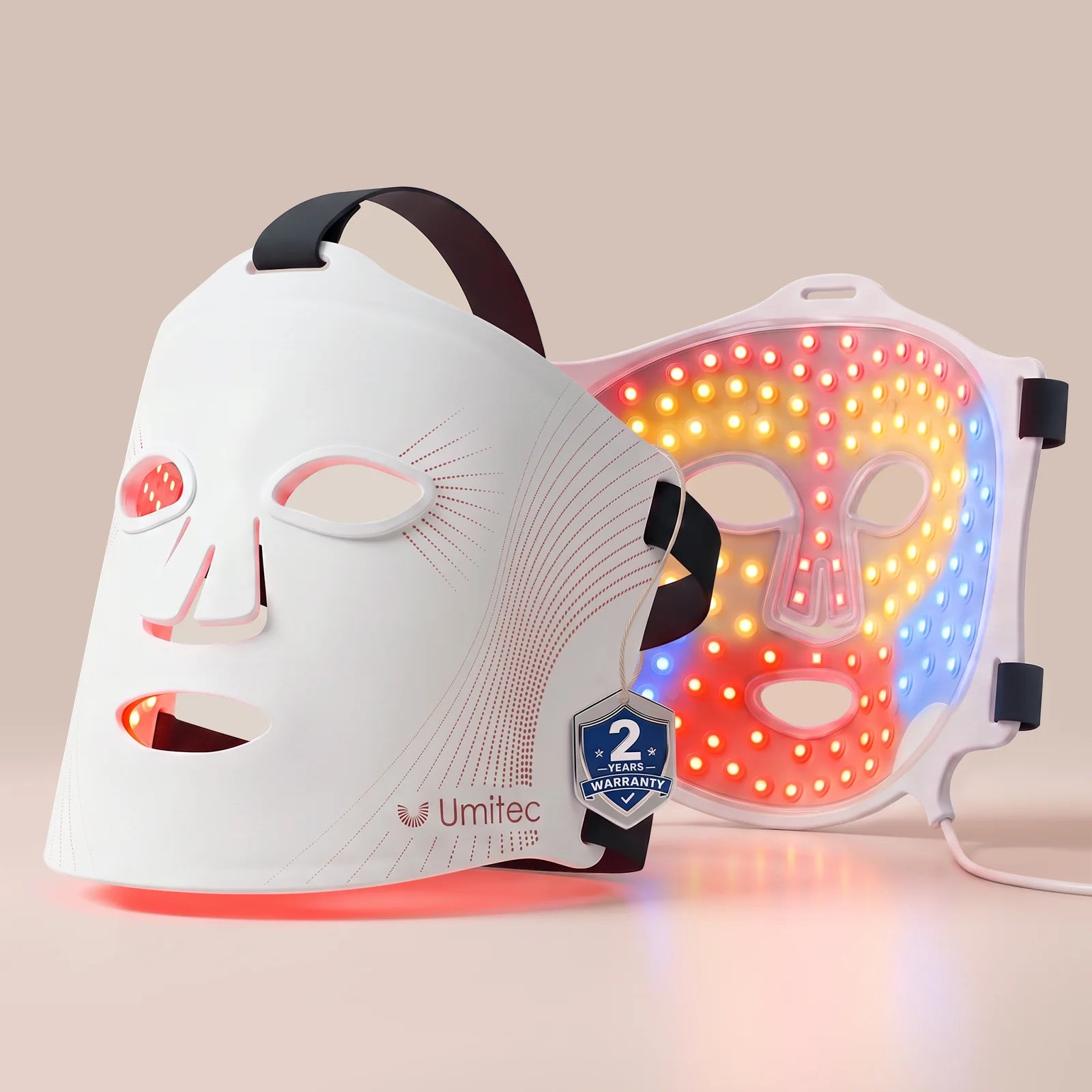
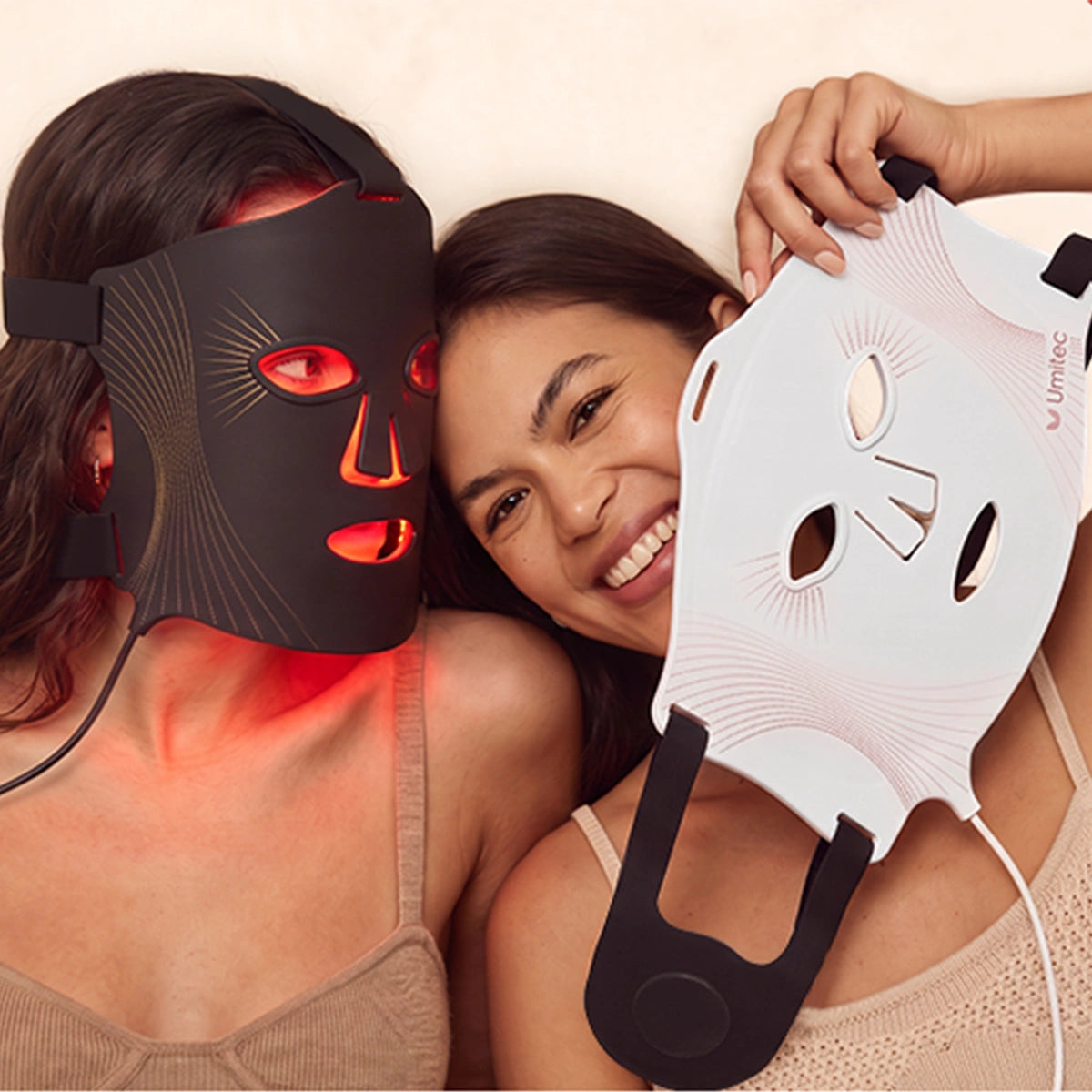
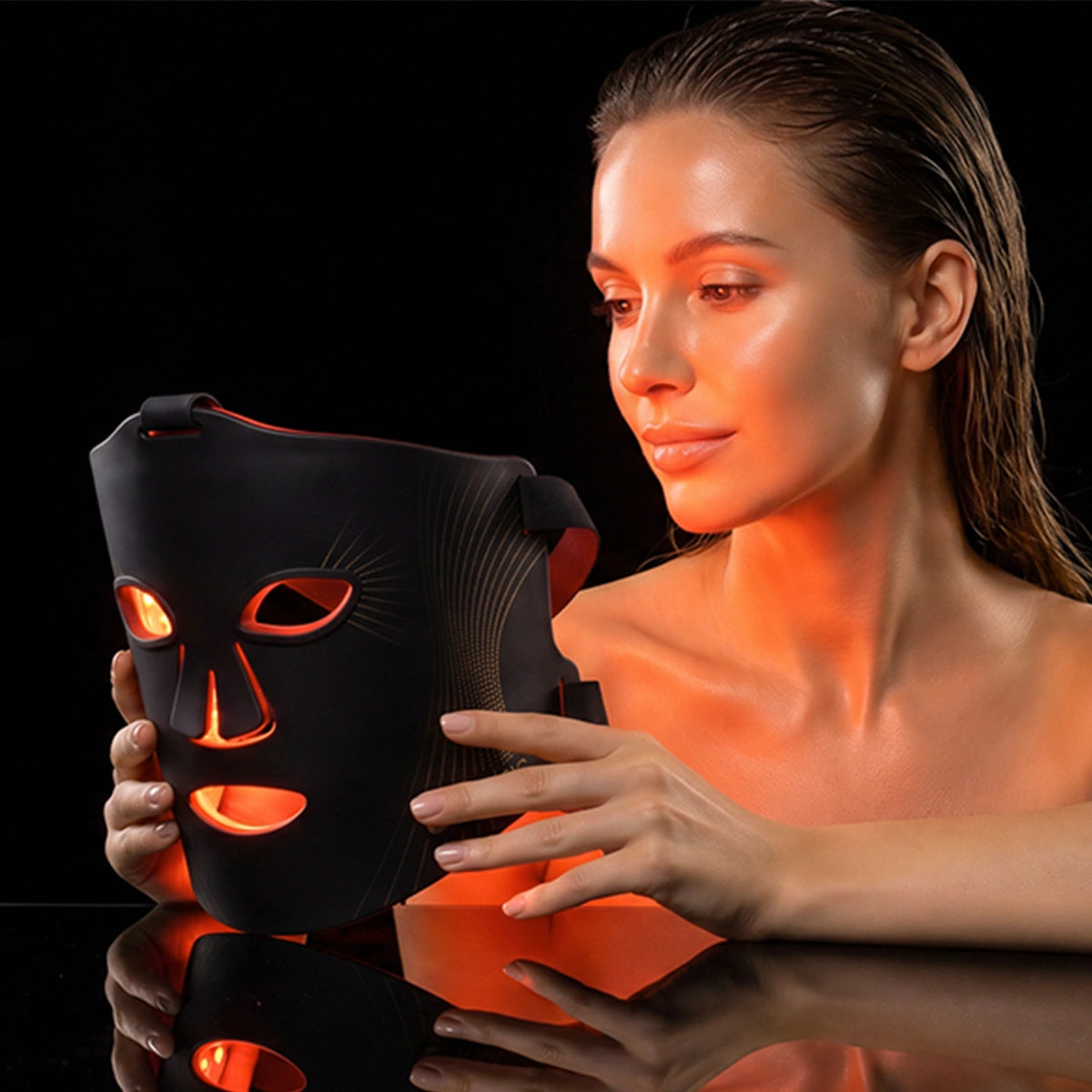
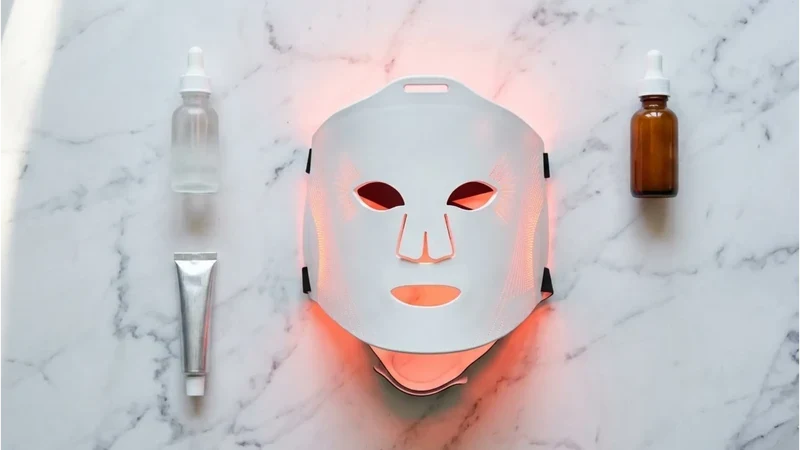
UMITEC ZoneCraft LED Light Therapy Mask Series 3 is designed around four targeted facial zones, with a separate full-face mode.
Its treatment options include:
-
T-zone — Blue Light: A targeted option for acne-prone areas such as the forehead, nose, and chin.
-
Eye Area — Red + Near-Infrared Light: Designed for concerns related to the appearance of fine lines around the eyes.
-
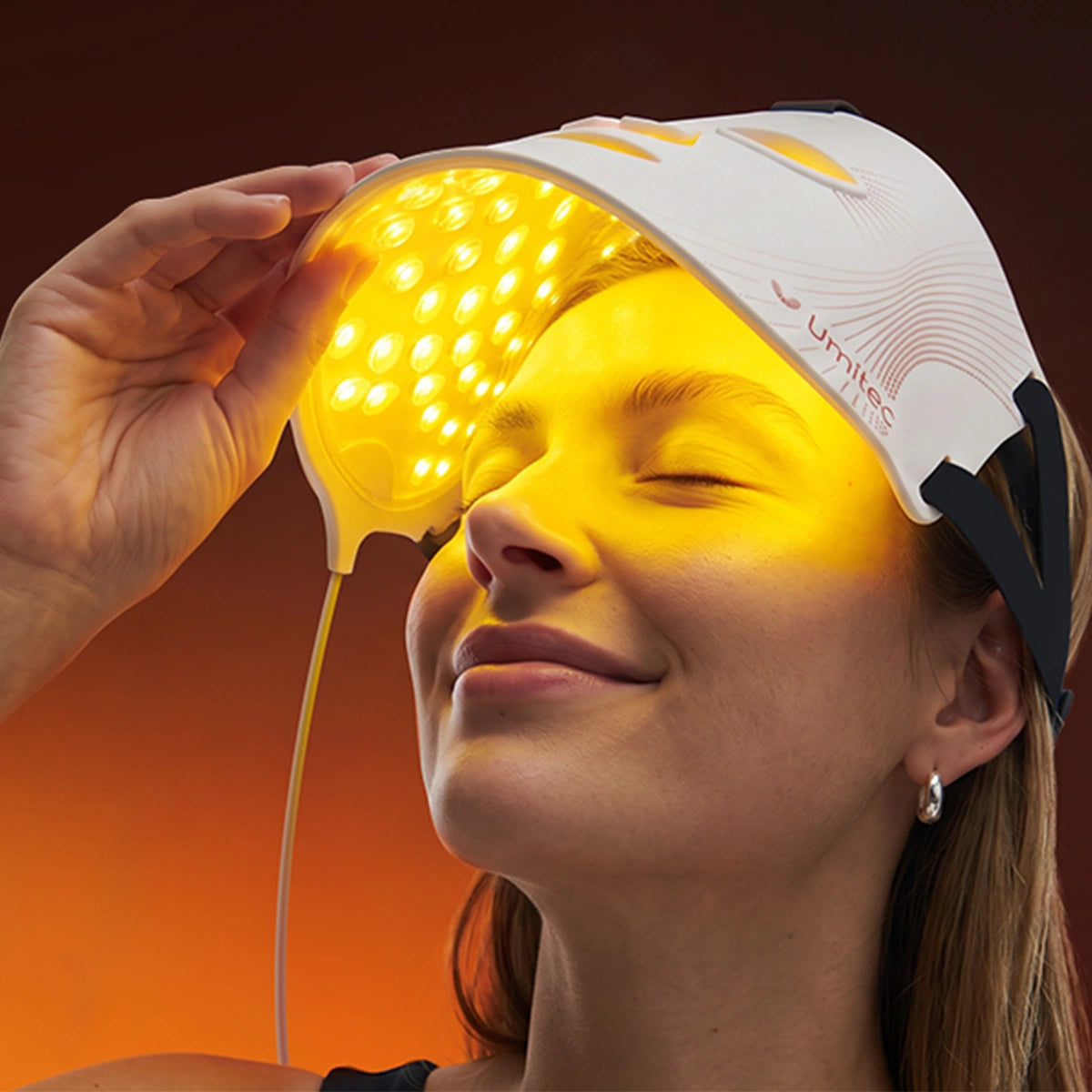
Cheek Area — Yellow Light: A dedicated setting for cheek-area skincare concerns, including the appearance of redness and uneven texture.
-
Lip Area — Yellow + Red + Near-Infrared Light: A combined setting for the area around the mouth, where visible fine lines and uneven-looking skin may be concerns.
-
Full-Face Mode: An option for an overall LED skincare session.
For someone with combination skin, this means you can choose a treatment area according to your priorities instead of automatically applying the same setting to every part of your face.
For example, you might focus on blue light for an oily T-zone while choosing a different treatment setting for another area during a separate session.
This is the idea behind ZoneCraft: your face isn't one-size-fits-all, so your LED routine doesn't have to be either.
Explore the UMITEC ZoneCraft LED Therapy Face Mask Series 3 to learn more about its targeted treatment options.
5. LED Light Therapy for Sensitive Skin
Sensitive skin deserves a little more attention when introducing any new skincare treatment.
People with sensitive skin may experience redness, stinging, dryness, or discomfort in response to certain skincare products, environmental conditions, or treatments.
Being sensitive does not automatically mean you cannot use an LED mask. However, it is important to understand what triggers your skin and to follow the device's safety instructions.
Tips for using an LED mask with sensitive skin
-
Start cautiously: Follow the manufacturer's recommended treatment schedule rather than increasing frequency or duration.
-
Keep skincare simple: Avoid introducing several new active ingredients at the same time.
-
Use gentle skincare products: Fragrance-free, moisturizing products may be more comfortable for some sensitive skin types.
-
Monitor your skin: Stop treatment if you experience persistent redness, burning, swelling, or unusual discomfort.
-
Check for contraindications: If you have a photosensitivity condition or take medication that increases light sensitivity, consult a healthcare professional before use.
Do not assume that a particular light color is automatically suitable for all sensitive skin. Your individual skin response matters more than a skin-type label.
6. Quick Guide: Which LED Treatment Should You Consider?
The following table is a general starting point, not a medical prescription or a guarantee of results.
| Skin type or concern | Treatment to explore | What to keep in mind |
|---|---|---|
| Dry skin | Red light | Support your routine with regular moisturizing |
| Oily, acne-prone skin | Blue light | Focus on blemish-prone areas and maintain good cleansing habits |
| Combination skin | Zone-based treatment | Choose settings according to individual facial areas |
| Visible fine lines | Red and near-infrared light | Consider consistency and realistic expectations |
| Redness or uneven-looking texture | Yellow light | Follow device instructions and monitor skin response |
| Sensitive skin | A cautious, individualized approach | Prioritize comfort and check device safety guidance |
Your skin type can help guide your routine, but it should not be the only factor in choosing an LED treatment.
7. How to Build a More Consistent LED Skincare Routine
Whichever skin type you have, a few basic habits can help make your LED skincare routine easier to maintain.
Cleanse Before Treatment
Remove makeup, sunscreen, and excess surface oil before using your mask, unless your device instructions recommend otherwise.
Follow the Recommended Treatment Schedule
Use your device for the recommended duration and frequency. More sessions do not necessarily mean better results.
Keep Your Skincare Routine Balanced
LED light therapy should complement your skincare routine, not replace basic steps such as cleansing, moisturizing, and daily sun protection.
Clean Your Device Regularly
Because your LED mask repeatedly comes into contact with your face, its skin-contact surfaces may collect oil, sweat, and skincare residue. Clean the device according to the manufacturer's instructions and allow it to dry completely before storage.
Frequently Asked Questions
Can I Use an LED Mask If I Have Dry Skin?
Dry skin does not automatically prevent you from using an LED mask. Red light therapy has been studied for its potential effects on skin appearance. Continue using appropriate moisturizers and follow your device's recommended treatment schedule.
Is Blue Light Better for Oily Skin?
Blue light is studied for its potential role in acne care because of its interaction with porphyrins associated with C. acnes. However, oily skin and acne are not the same thing. Your treatment choices should reflect your actual skin concerns.
Can I Use Different LED Light Settings for Different Areas of My Face?
This depends on your device. UMITEC ZoneCraft Series 3 offers targeted treatment for four facial zones, alongside a full-face mode. This allows you to select different treatment areas according to your skincare priorities.
Is LED Light Therapy Suitable for Sensitive Skin?
Some people with sensitive skin may tolerate LED treatment, while others may experience discomfort. Follow the device instructions, check contraindications, and stop if you develop persistent irritation.
Should I Use an LED Mask Every Day?
Not necessarily. Treatment frequency depends on the specific device. Follow the recommended schedule in your user manual rather than assuming that daily use will produce better results.
Final Thoughts
Choosing an LED face mask routine is not simply about deciding whether you have dry, oily, or combination skin.
It is about understanding what your skin needs, which areas you want to focus on, and how different light settings fit into your overall skincare routine.
For people with multiple skin concerns, a zone-based approach offers more flexibility than relying exclusively on one full-face setting.
With UMITEC ZoneCraft, you can choose targeted treatment areas or select full-face mode when you prefer an overall session.
Understand your skin. Focus on your concerns. Make your LED routine your own.


Hinterlasse einen Kommentar
Diese Website ist durch hCaptcha geschützt und es gelten die allgemeinen Geschäftsbedingungen und Datenschutzbestimmungen von hCaptcha.