

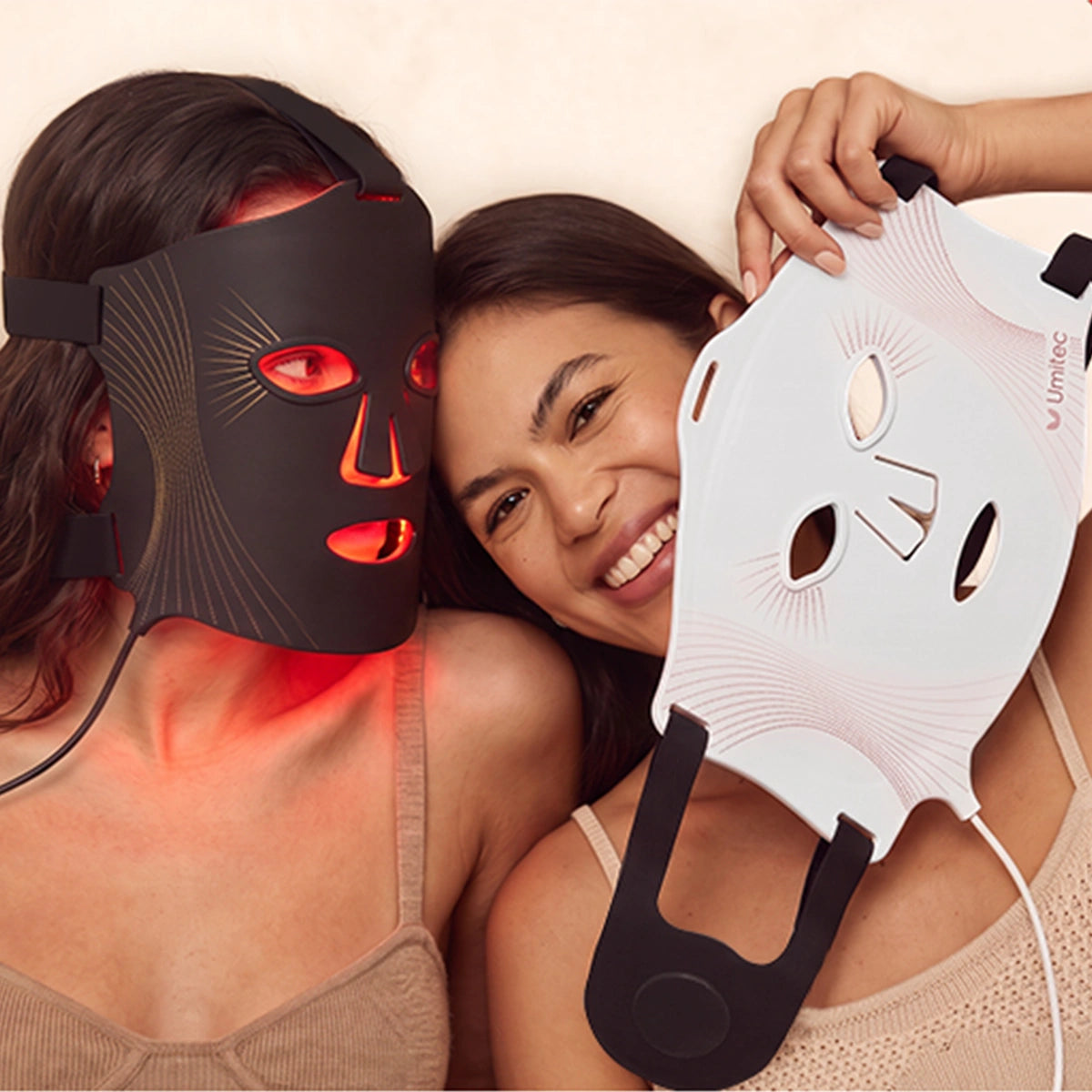

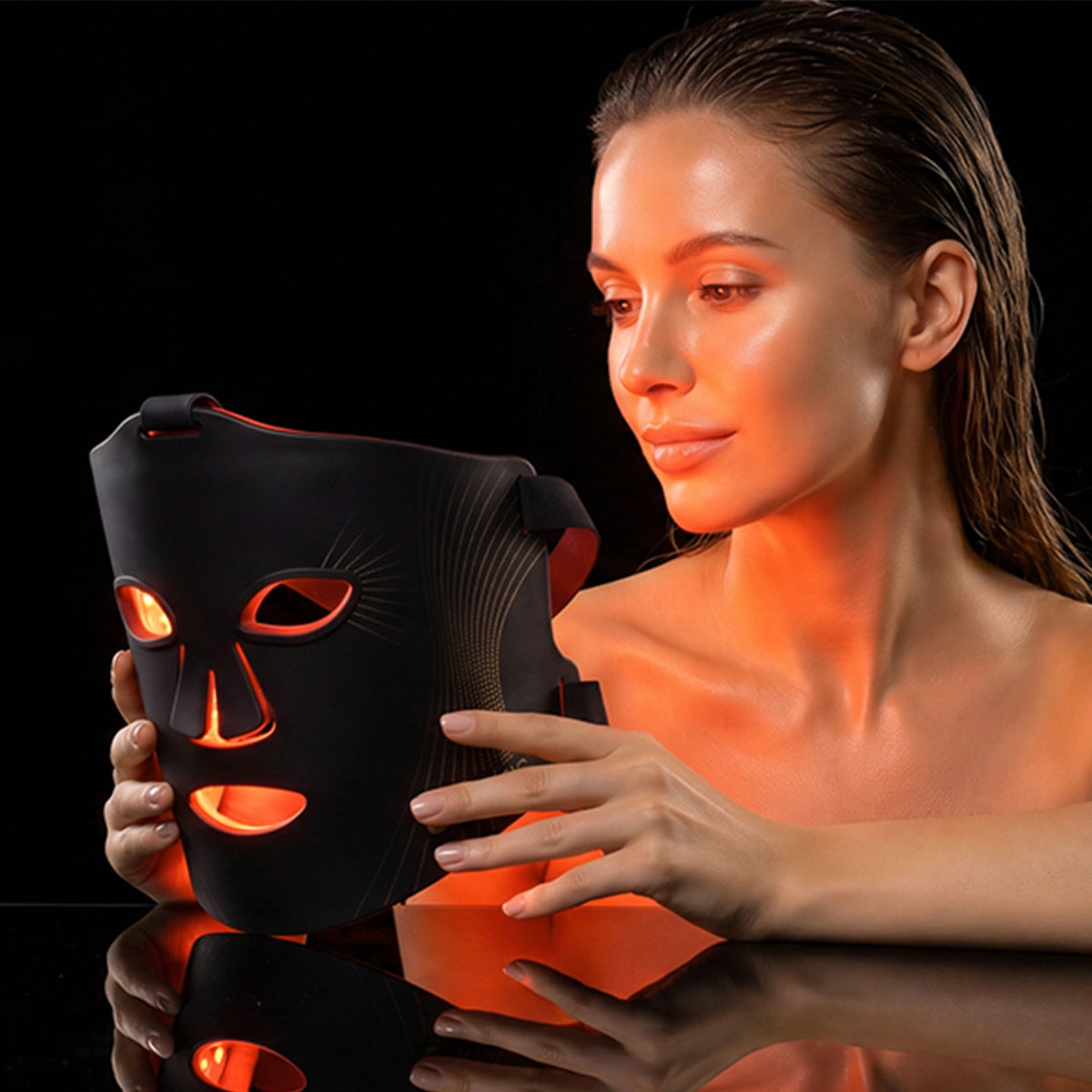

Wenn du Jahre damit verbracht hast, Reiniger, Spot-Treatments und „Wunderseren“ auszuprobieren, die reine Haut versprechen, aber nie wirklich halten, bist du nicht allein. Zu Akne neigende Haut ist hartnäckig – sie blüht bei Stress auf, vernarbt, wenn man daran herumdrückt, und reagiert oft gar nicht auf Produkte, die bei allen anderen wunderbar wirken. Als also LED-Gesichtsmasken in Hautpflegeroutinen auftauchten, hatten viele die gleiche Reaktion: Bringt Licht bei Unreinheiten überhaupt etwas, oder ist das nur ein weiterer Trend?
Es stellt sich heraus, dass die Wissenschaft dahinter fundierter ist, als man vielleicht denkt – insbesondere wenn es um blaues Licht geht. Hier erfährst du, was unter der Oberfläche tatsächlich passiert, was die Daten zeigen und welche Erfahrungen echte Anwender machen.
Wie wirkt die Blaulichttherapie gegen Akne?
Nicht jedes LED-Licht wirkt auf die gleiche Weise – unterschiedliche Wellenlängen dringen unterschiedlich tief ein und lösen verschiedene Reaktionen in der Haut aus. Blaulicht mit etwa 415 nm bleibt nahe an der Oberfläche, genau dort, wo sich Haarfollikel und Talgdrüsen befinden – also genau da, wo Unreinheiten entstehen. Rotes Licht mit etwa 630 nm erreicht die tiefer liegende Dermis und ist eher für die Unterstützung der Kollagenbildung als für die Aknekontrolle bekannt. Wir haben diesen Vergleich genauer in Funktioniert die Blaulichttherapie wirklich? aufgeschlüsselt.
Blaulicht wirkt bei Akne auf drei Arten:
- Es unterdrückt akneverursachende Bakterien. Das Bakterium C. acnes (früher P. acnes) produziert Verbindungen, die Porphyrine genannt werden und Blaulicht absorbieren – diese Reaktion erzeugt ein Umfeld, das für die Bakterien von innen heraus toxisch ist.
- Es beruhigt Entzündungen. Weniger bakterielle Aktivität bedeutet weniger Rötungen, Schwellungen und Schmerzen, die für aktive Ausbrüche typisch sind.
- Es hilft, die Talgproduktion auszugleichen. Eine regulierte Talgproduktion bedeutet, dass Poren von vornherein weniger leicht verstopfen.
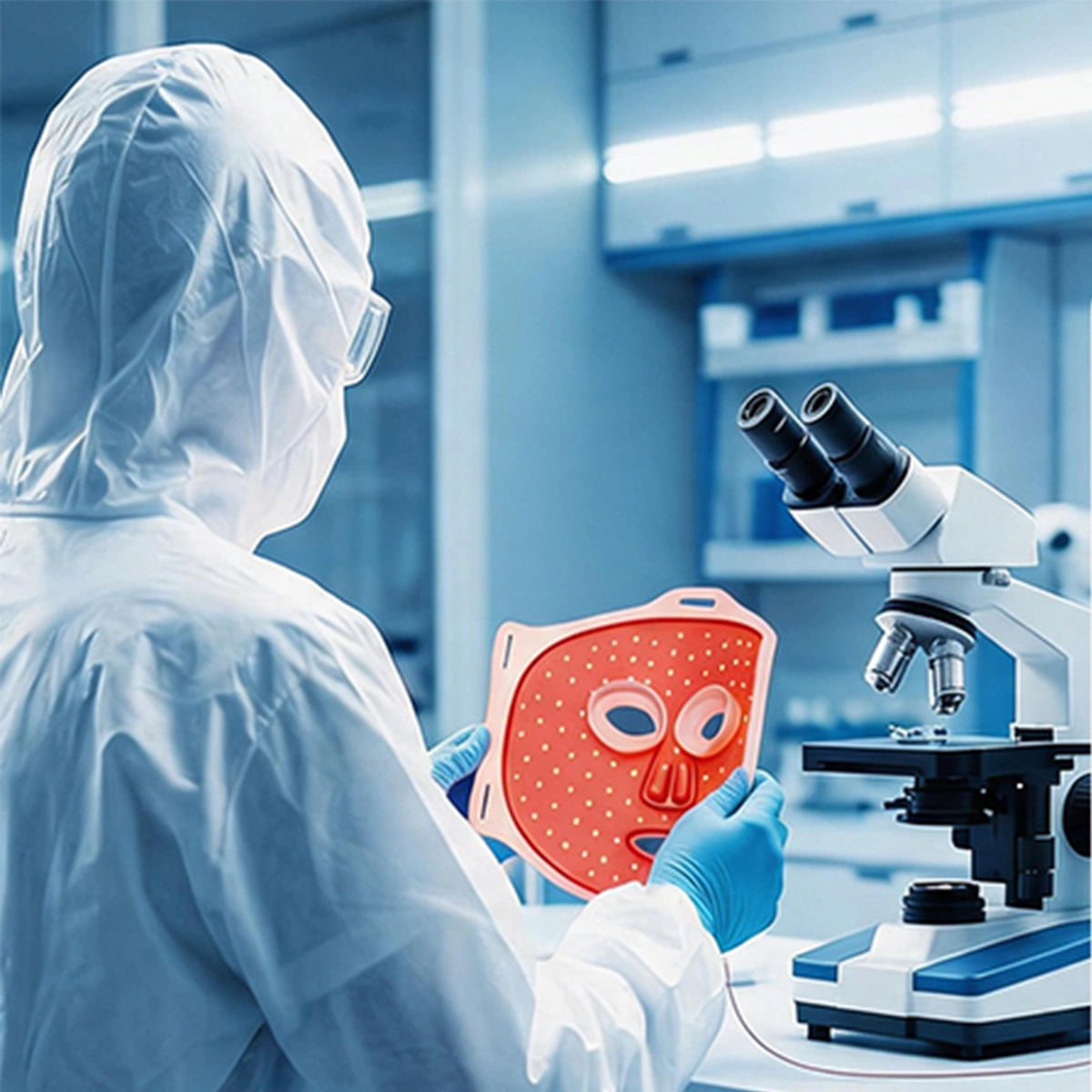
Dieser Mechanismus ist weder neu noch unbewiesen – er wird in der Dermatologie seit über zwei Jahrzehnten erforscht. Eine bahnbrechende Studie, die im British Journal of Dermatology veröffentlicht wurde, ergab, dass eine kombinierte Blau- und Rotlicht-Phototherapie entzündliche Akneläsionen nach 12 Wochen um durchschnittlich 76 % reduzierte – und damit sowohl Benzoylperoxid als auch die Behandlung mit nur einer Lichtart übertraf. Eine aktuellere systematische Übersichtsarbeit und Metaanalyse hat seitdem die Wirksamkeit von Blaulicht als legitime, risikoarme Option bei leichter bis mittelschwerer Akne bestätigt.
Was sagt die Forschung zur LED-Lichttherapie bei Akne?
Über die veröffentlichte Forschung hinaus lohnt es sich, einen Blick darauf zu werfen, was bei echter, konsequenter Anwendung passiert. In einer unabhängigen Studie, die von SGS, einer unabhängigen Prüf- und Zertifizierungsstelle, durchgeführt wurde, wendeten 32 weibliche Probandinnen im Alter von 25–44 Jahren die LED-Lichttherapie über 28 Tage konsequent an (Bericht Nr. GZCPCH25007349-01, vom 20. Oktober 2025). Die Ergebnisse:
| Akne & Aknemale | Reduziert um 42,09 % |
| Hautglätte | Verbessert um 17,20 % |
| Pigmentierung / Melanin | Reduziert um 5,39 % |
| Unerwünschte Reaktionen | 0 bei allen Probandinnen gemeldet |
Diese letzte Zeile ist genauso wichtig wie die Verbesserungsraten. Eine Behandlung, die zwar Ausbrüche reduziert, aber die Haut reizt, ist kein wirklicher Erfolg – besonders für Menschen, die bereits mit empfindlicher, reaktiver Haut zu kämpfen haben.
Was Anwender bemerkt haben
„Meine Aknemale verblassten mit der Zeit spürbar und mein gesamtes Hautbild wurde gleichmäßiger.“
— Olivia, Vereinigtes Königreich, verifizierte Käuferin der Umitec Serie 3
„Ausbrüche gingen deutlich zurück – und auch die Rötungen an meinen Wangen und am Kinn verschwanden, was ich gar nicht erwartet hatte.“
— Lily, Vereinigtes Königreich, verifizierte Käuferin
Das zweite Ergebnis ist bemerkenswert: Da Blaulicht Entzündungen allgemein reduziert, sehen Anwender neben weniger aktiven Ausbrüchen oft auch Verbesserungen bei Rötungen und eine insgesamt ruhigere Haut.
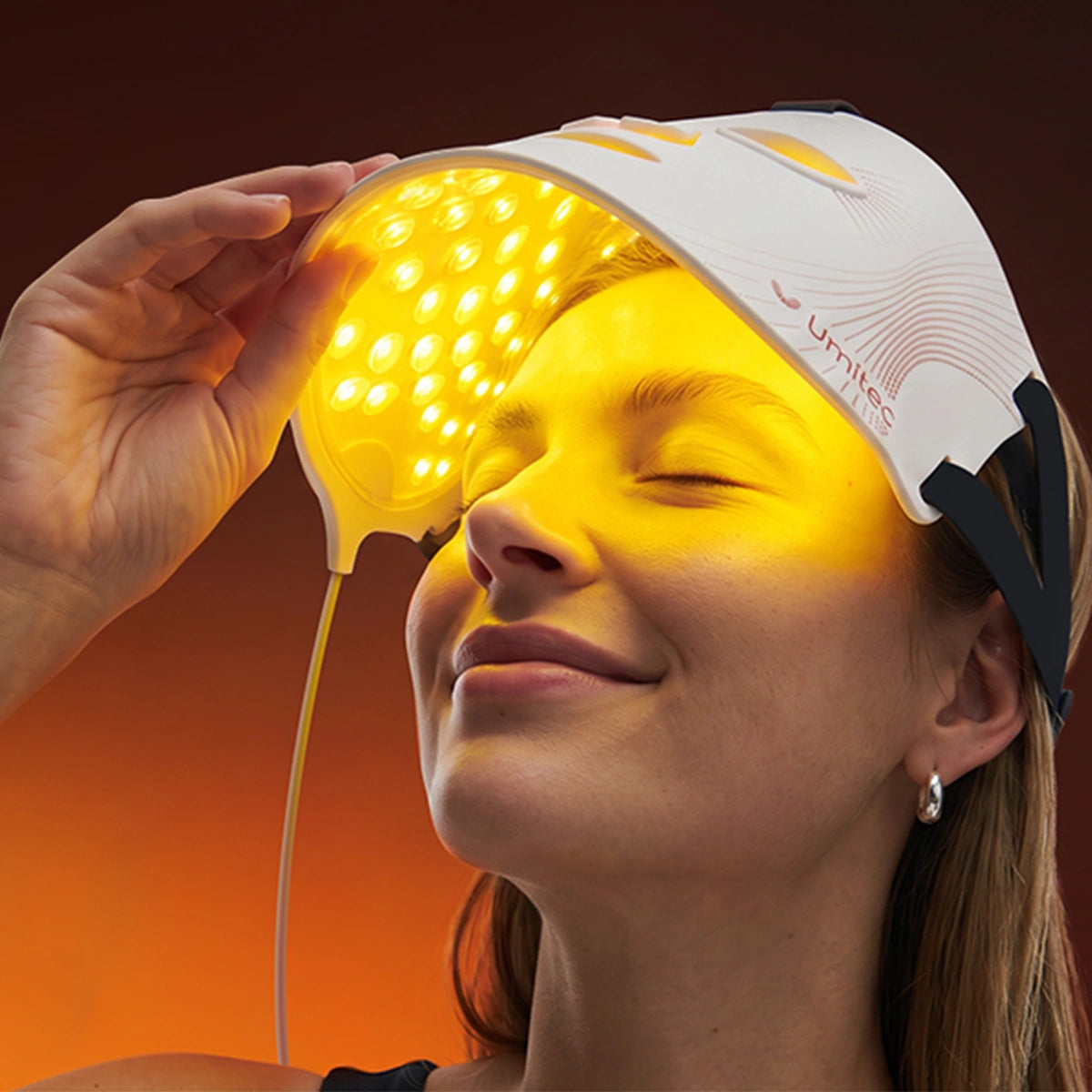
Wie man eine LED-Maske gegen Akne verwendet
Ergebnisse erzielt man nicht durch ständige Nutzung, sondern durch Beständigkeit bei der richtigen Häufigkeit:
- Häufigkeit: 3–5 Mal pro Woche
- Dauer: 10 Minuten pro Sitzung
- Zeitraum: 3–5 Wochen konsequente Anwendung, bevor sichtbare Veränderungen erwartet werden können, danach Umstellung auf einen leichteren Erhaltungsplan
- Vorbereitung: Zuerst reinigen – kein Make-up oder Sonnenschutz darunter
Wenn dein Gerät eine einstellbare Intensität bietet, beginne bei empfindlicher Haut mit einer niedrigeren Stufe – du kannst sie jederzeit erhöhen, sobald sich deine Haut daran gewöhnt hat. Neu bei der Lichttherapie im Allgemeinen? Unser Leitfaden zu was während der ersten Sitzungen normal ist und was nicht ist vor dem Start lesenswert.
Wer sollte die LED-Lichttherapie gegen Akne vermeiden?
Nicht empfohlen für:
- Personen, die derzeit fotosensibilisierende Medikamente einnehmen
- Personen mit offenen Wunden, aktiven Infektionen oder schweren Hauterkrankungen
- Schwangere oder stillende Personen
- Anwender unter 18 Jahren
Falls einer dieser Punkte auf dich zutrifft, sprich vor Beginn der Lichttherapie mit einem Dermatologen.
Fazit
Die Blaulichttherapie ist kein Wundermittel, und kein seriöser Artikel darüber sollte etwas anderes behaupten. Aber der Mechanismus ist wissenschaftlich fundiert – gestützt durch klinische Literatur aus über zwei Jahrzehnten – und die eigenen 28-Tage-Daten dieses Geräts zeigen deutliche Verbesserungen ohne gemeldete unerwünschte Nebenwirkungen. Echte Anwender sehen Ergebnisse, die über weniger Ausbrüche hinausgehen, einschließlich einer ruhigeren, insgesamt ebenmäßigeren Haut.
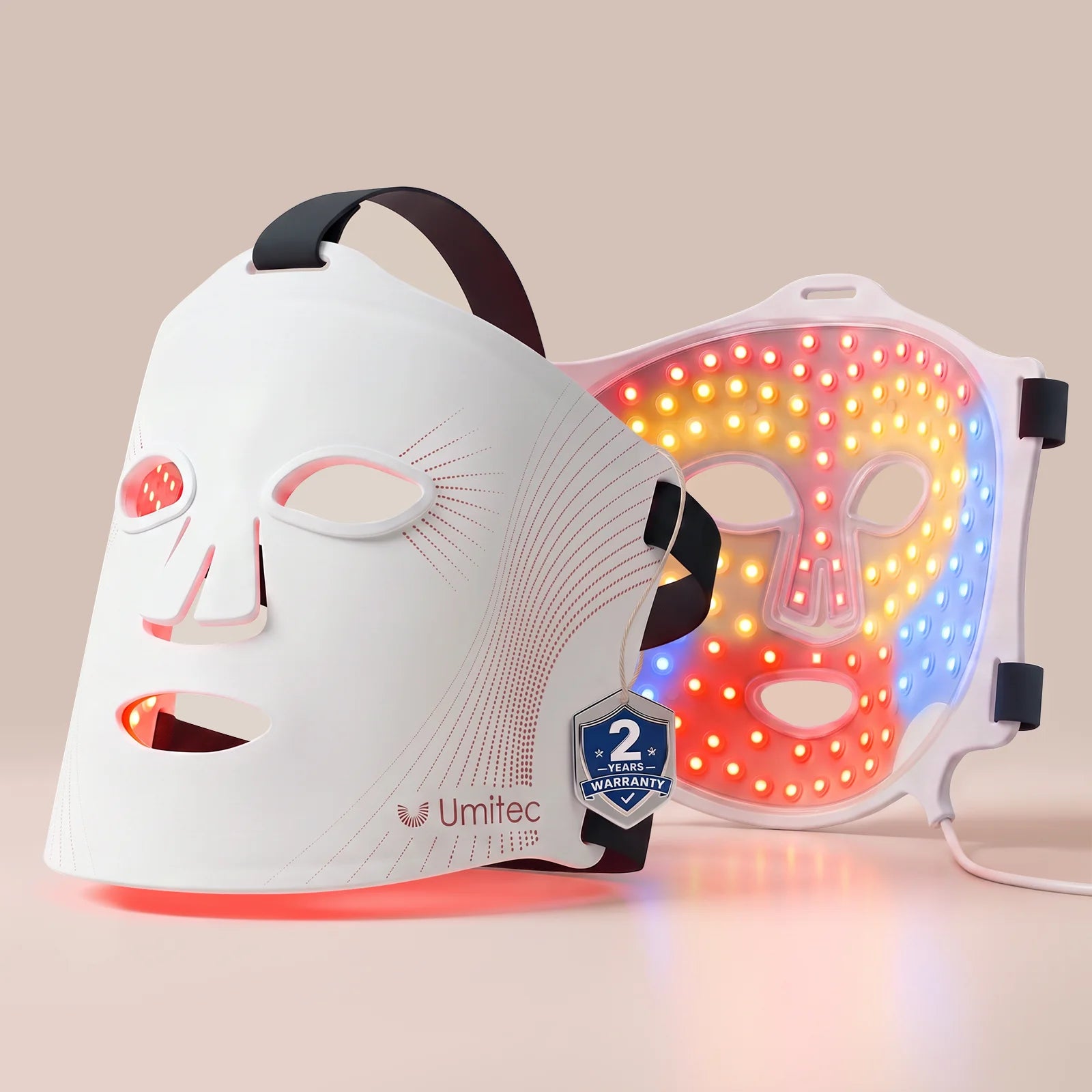
Wenn du den üblichen Akne-Weg bereits versucht hast – Reiniger, Spot-Treatments, verschreibungspflichtige Cremes – und immer noch mit wiederkehrenden Ausbrüchen zu kämpfen hast, ist die Blaulicht-LED-Therapie eine legitime, evidenzbasierte Option, die es wert ist, in deine Routine aufgenommen zu werden. Die Umitec LED-Therapie-Gesichtsmaske — Serie 3 kombiniert 492 medizinische LED-Perlen, vier Lichtmodi einschließlich eines Komplettmodus für ein Vollspektrum, drei einstellbare Intensitätsstufen und eine doppelte SGS- + CE-Zertifizierung – konzipiert für die Art von konsequenter Heimanwendung, die tatsächlich zu Ergebnissen führt.
Bei reiner Haut geht es meist nicht darum, das eine perfekte Produkt zu finden. Es geht um Beständigkeit mit etwas, das tatsächlich durch Beweise gestützt wird.


Hinterlasse einen Kommentar
Alle Kommentare werden vor der Veröffentlichung geprüft.
Diese Website ist durch hCaptcha geschützt und es gelten die allgemeinen Geschäftsbedingungen und Datenschutzbestimmungen von hCaptcha.