


Wenn Sie bereits Retinol, Vitamin C oder peelende Säuren verwenden und in Erwägung ziehen, LED-Therapie in Ihre Routine aufzunehmen, stellt sich fast sofort dieselbe Frage: Ist es sicher, sie zusammen zu verwenden? Die kurze Antwort ist ja – aber mit einem Vorbehalt, der wichtiger ist, als die meisten Leute wissen. Das Problem sind nicht die Inhaltsstoffe, die Sie zusammen mit der LED-Therapie verwenden. Es ist der Zeitpunkt, zu dem Sie sie anwenden.
Die LED-Therapie funktioniert über Photobiomodulation – spezifische Lichtwellenlängen, die von Hautzellen absorbiert werden, um biologische Reaktionen wie Kollagensynthese, Bakterienmanagement und Barrierereparatur auszulösen. Keiner dieser Prozesse wird durch die meisten Hautpflegeinhaltsstoffe gestört. Was Probleme verursachen kann, ist die Anwendung bestimmter Wirkstoffe direkt vor einer Sitzung, entweder weil sie die Empfindlichkeit der Haut gegenüber Stimulation erhöhen oder weil einige instabile Formeln unter Lichteinwirkung zerfallen können. Die Lösung ist in fast jedem Fall eine einfache Anpassung der Reihenfolge, anstatt den Inhaltsstoff aufzugeben.
Hier ist eine vollständige Aufschlüsselung nach Inhaltsstoffkategorie.
Kategorie 1: Sicher zur freien Verwendung – vor oder nach Ihrer Sitzung
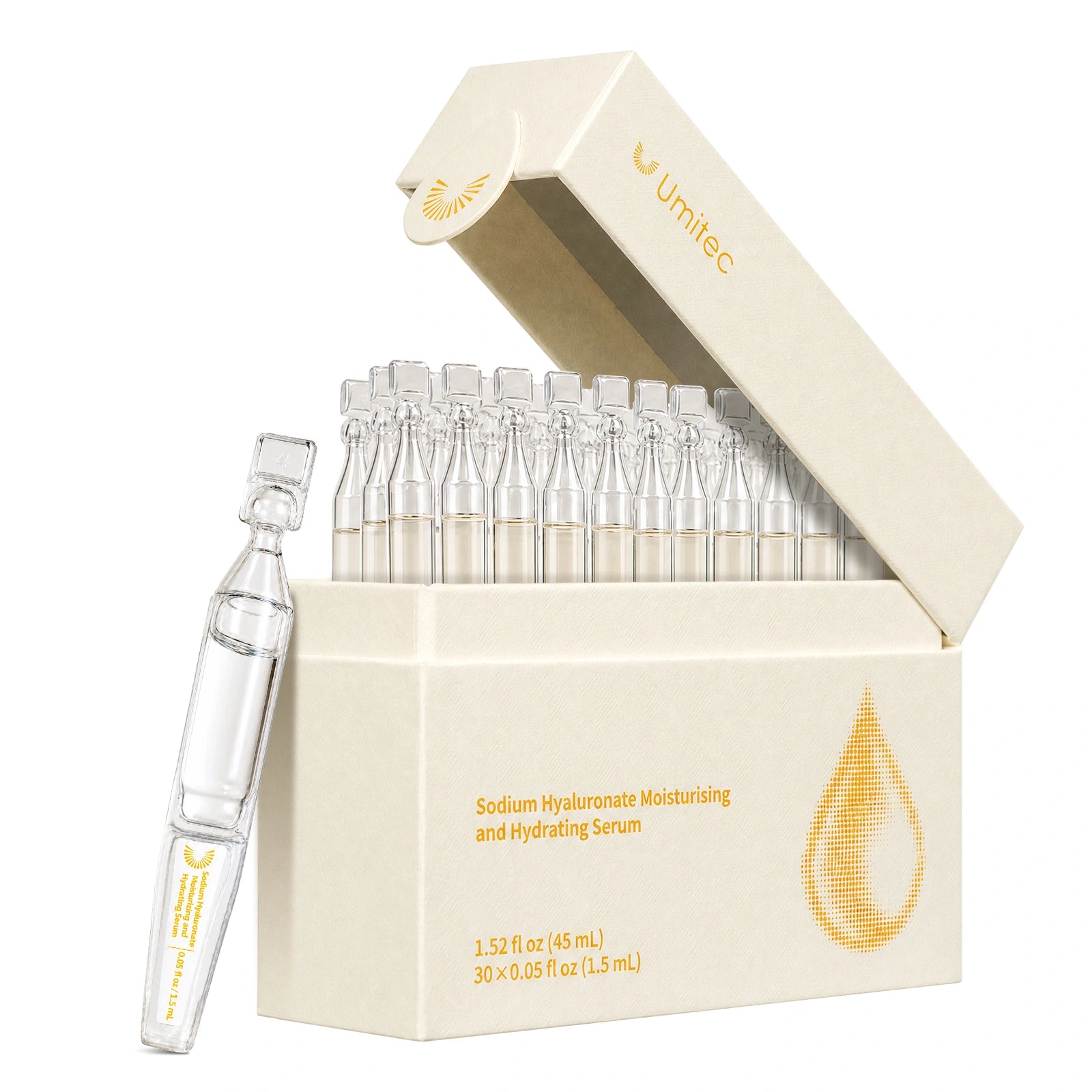
Mehrere der am häufigsten verwendeten Hautpflegeinhaltsstoffe haben keine signifikante Wechselwirkung mit LED-Wellenlängen und sind nicht photosensibilisierend. Hyaluronsäure ist das deutlichste Beispiel: Als Feuchthaltemittel zieht sie Feuchtigkeit in die Haut und hat keine lichtabsorbierenden oder sensibilisierenden Eigenschaften. Die Anwendung vor einer Sitzung ist in Ordnung – einige Benutzer finden, dass die milde Wärme einer LED-Sitzung tatsächlich die Absorption fördert. Niacinamid ist ähnlich kompatibel: Es unterstützt die Barrierefunktion und kann die kollagenfördernden Ziele der Rotlichttherapie ergänzen, was es zu einer natürlichen Kombination macht. Peptide, Ceramide und Squalan fallen alle in dieselbe Kategorie – keines ist photosensibilisierend, keines stört LED-Wellenlängen, und keines zersetzt sich merklich unter dem sichtbaren Lichtspektrum, das in Heimgeräten verwendet wird.
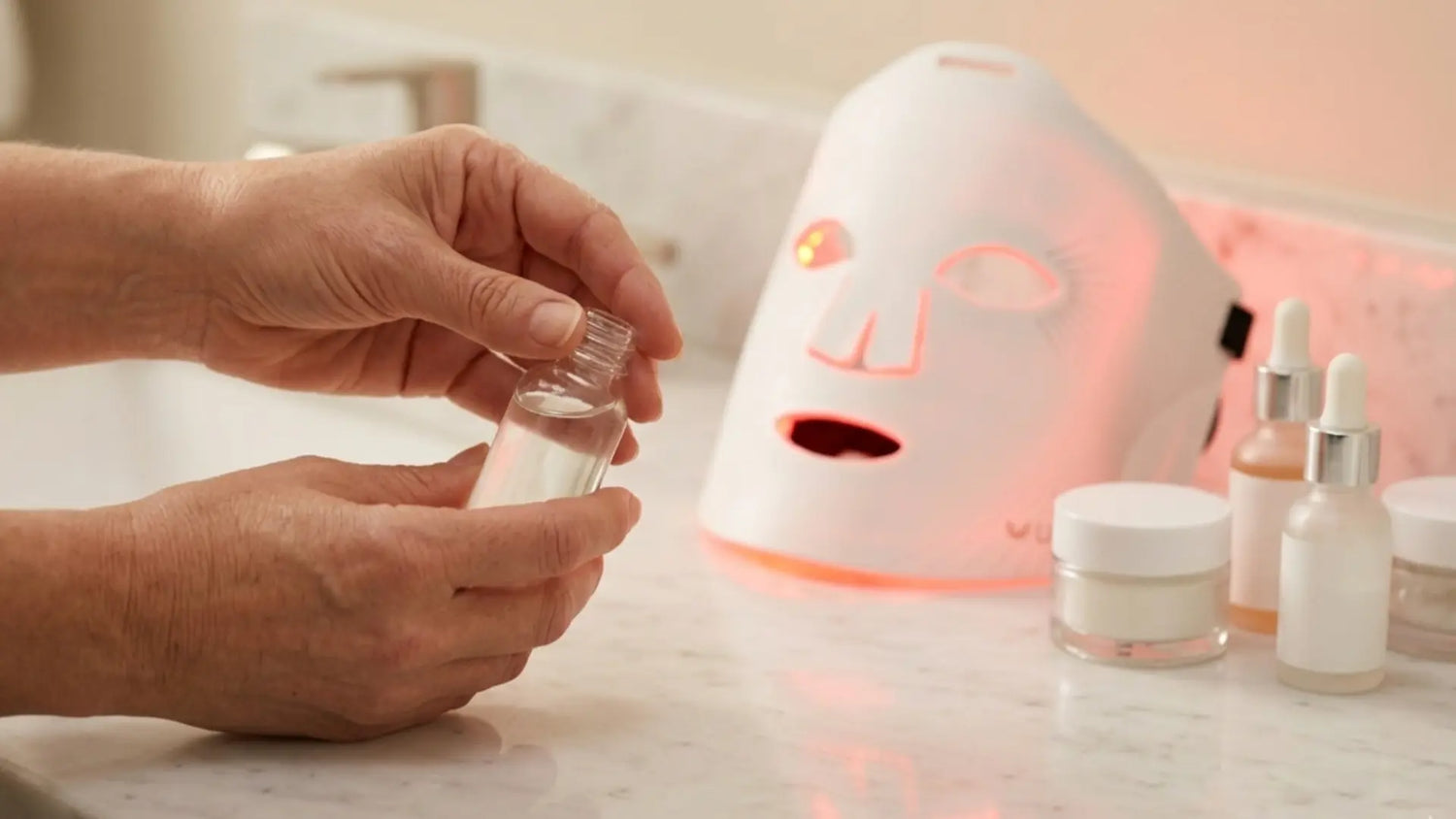
Wenn Sie eine Routine um die regelmäßige LED-Anwendung herum aufbauen, sind dies die Inhaltsstoffe, auf die Sie sich als schichtsnahe Schicht verlassen sollten – entweder unmittelbar davor auf die gereinigte Haut aufgetragen oder direkt danach.
Kategorie 2: Sicher – aber nach der Sitzung auftragen, nicht davor
Retinol, verschreibungspflichtige Retinoide, AHAs (Glykol- und Milchsäure) und BHAs (Salicylsäure) sind alle mit der LED-Therapie kompatibel – aber der Zeitpunkt ist entscheidend. Diese Inhaltsstoffe haben eine gemeinsame Eigenschaft: Sie erhöhen den Hautzellumsatz und machen dabei die Hautbarriere vorübergehend durchlässiger und reaktionsfreudiger gegenüber Stimulation. Das Auftragen vor der LED-Exposition verursacht nicht die Art von Schäden, die UV-Licht verursachen würde, aber es kann die Reaktion der Haut auf die Sitzung auf Weisen verstärken, die zu unnötiger Rötung oder Trockenheit führen können, insbesondere bei empfindlichen Hauttypen.
Der Mechanismus speziell bei Retinoiden ist es wert, klar verstanden zu werden. Retinoide erhöhen effektiv den Zellumsatz, können aber anfänglich das Stratum Corneum verdünnen, wodurch die Haut anfälliger für Reizungen wird. Während Rotlicht selbst Retinoide nicht auf schädigende Weise aktiviert (im Gegensatz zu UV-Licht), kann das Auftragen starker Retinoide unmittelbar vor einer hochintensiven LED-Sitzung bei empfindlichen Personen zu übermäßiger Trockenheit führen. Das empfohlene Protokoll ist in allen dermatologischen Quellen konsistent: Führen Sie zuerst Ihre LED-Sitzung auf sauberer, produktfreier Haut durch und tragen Sie dann Retinol oder Ihre Säure danach auf. Die Reihenfolge bewahrt die Vorteile beider ohne das Reizungsrisiko.
Vitamin C verdient eine besondere Anmerkung. Ascorbinsäure (reines Vitamin C) ist sehr licht- und luftempfindlich und kann durch photochemische Oxidation bei Einwirkung von sichtbarem Licht abgebaut werden, was möglicherweise den Abbau beschleunigt, wenn es während einer Sitzung auf der Haut vorhanden ist. Stabile Vitamin-C-Derivate – zum Beispiel Natriumascorbylphosphat – sind weniger anfällig dafür, aber der sicherste und effektivste Ansatz für jede Vitamin-C-Formulierung ist, sie nach Ihrer LED-Sitzung und nicht davor aufzutragen.
Kategorie 3: Vor LED-Sitzungen vermeiden
Eine kleinere Kategorie von Inhaltsstoffen und Medikamenten erfordert mehr Vorsicht. Bestimmte verschreibungspflichtige Topika – einschließlich Tretinoin in höheren Konzentrationen und einige Antibiotikaformulierungen – erhöhen die Lichtempfindlichkeit ausreichend, sodass die LED-Anwendung eine zeitliche Berücksichtigung und idealerweise dermatologische Anleitung erfordert. Johanniskraut, ein pflanzliches Mittel, das manchmal in Wellness-Ergänzungsmitteln und Topika enthalten ist, ist ein gut dokumentierter Photosensibilisator und sollte vor keiner lichtbasierten Behandlung angewendet werden. Hochkonzentrierte peelende Säuren, die unmittelbar vor einer Sitzung aufgetragen werden – insbesondere wenn die Haut bereits geschädigt ist – fallen in dieselbe Kategorie.
Kurzübersicht Kompatibilitätstabelle
Zwei Beispielroutinen
- Gründliche Reinigung
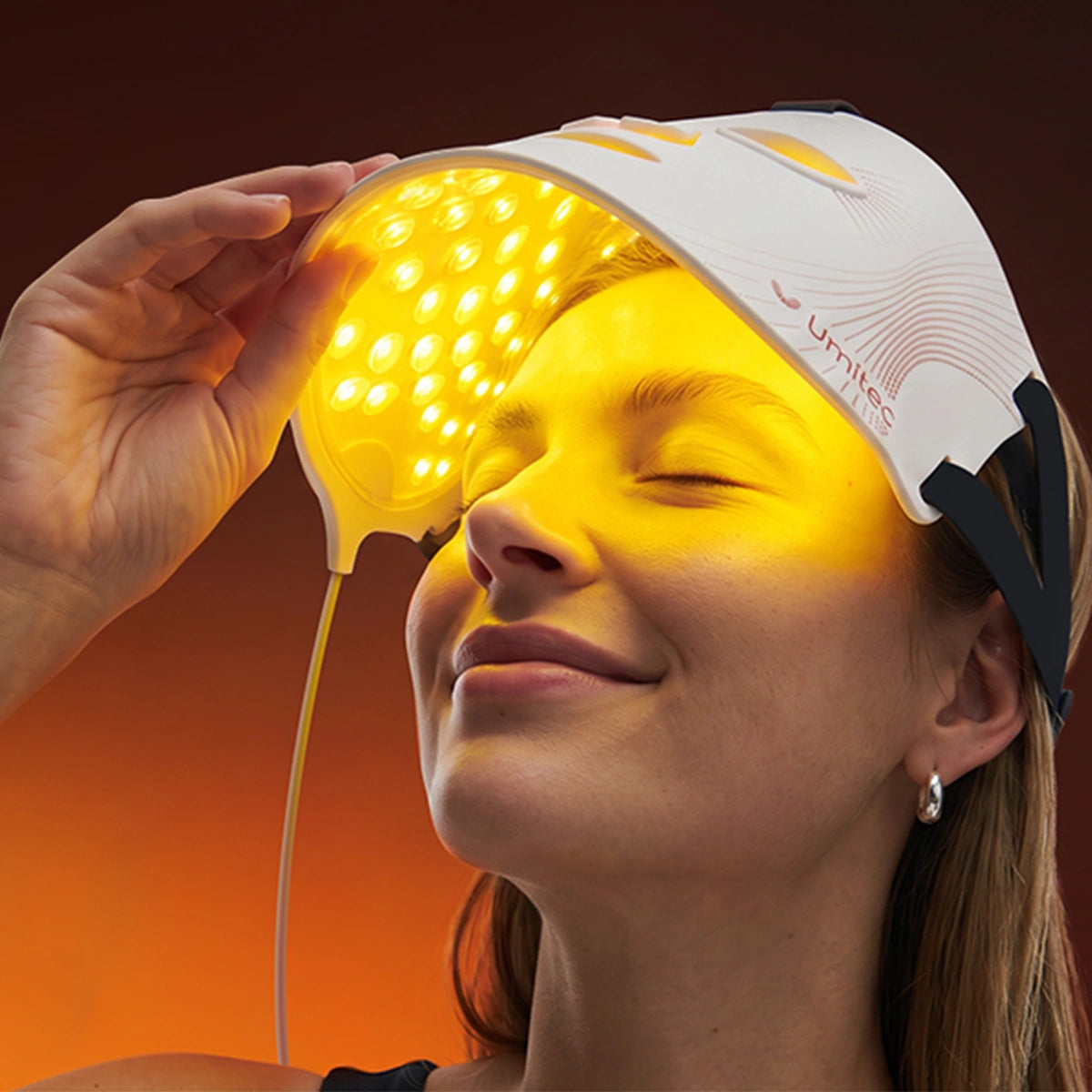
- LED-Therapie-Sitzung (10 min auf sauberer, trockener Haut)
- Hyaluronsäure- oder Peptidserum
- Retinol (20–30 min nach der Reinigung warten, wenn die Haut empfindlich ist)
- Feuchtigkeitscreme zum Abschluss
- Gründliche Reinigung
- LED-Therapie-Sitzung (10 min auf sauberer, trockener Haut)
- Vitamin-C-Serum (nach der Sitzung aufgetragen)
- Niacinamid- oder Hydratationsserum
- Feuchtigkeitscreme + LSF (falls morgens)
Das zugrunde liegende Prinzip
Die Regel, die für fast jede Inhaltsstoffkategorie gilt, ist dieselbe: LED-Therapie wirkt am besten auf sauberer Haut, und aktive Inhaltsstoffe wirken am besten, wenn die Hautbarriere intakt und aufnahmefähig ist. Die Sitzung zuerst durchzuführen und dann aktive Inhaltsstoffe danach aufzutragen, erfüllt beide Bedingungen gleichzeitig. Es ist keine komplizierte Protokollanpassung – es ist eine Reihenfolgeentscheidung, die etwa 30 Sekunden dauert und die meisten Kompatibilitätsprobleme in diesem Artikel beseitigt.
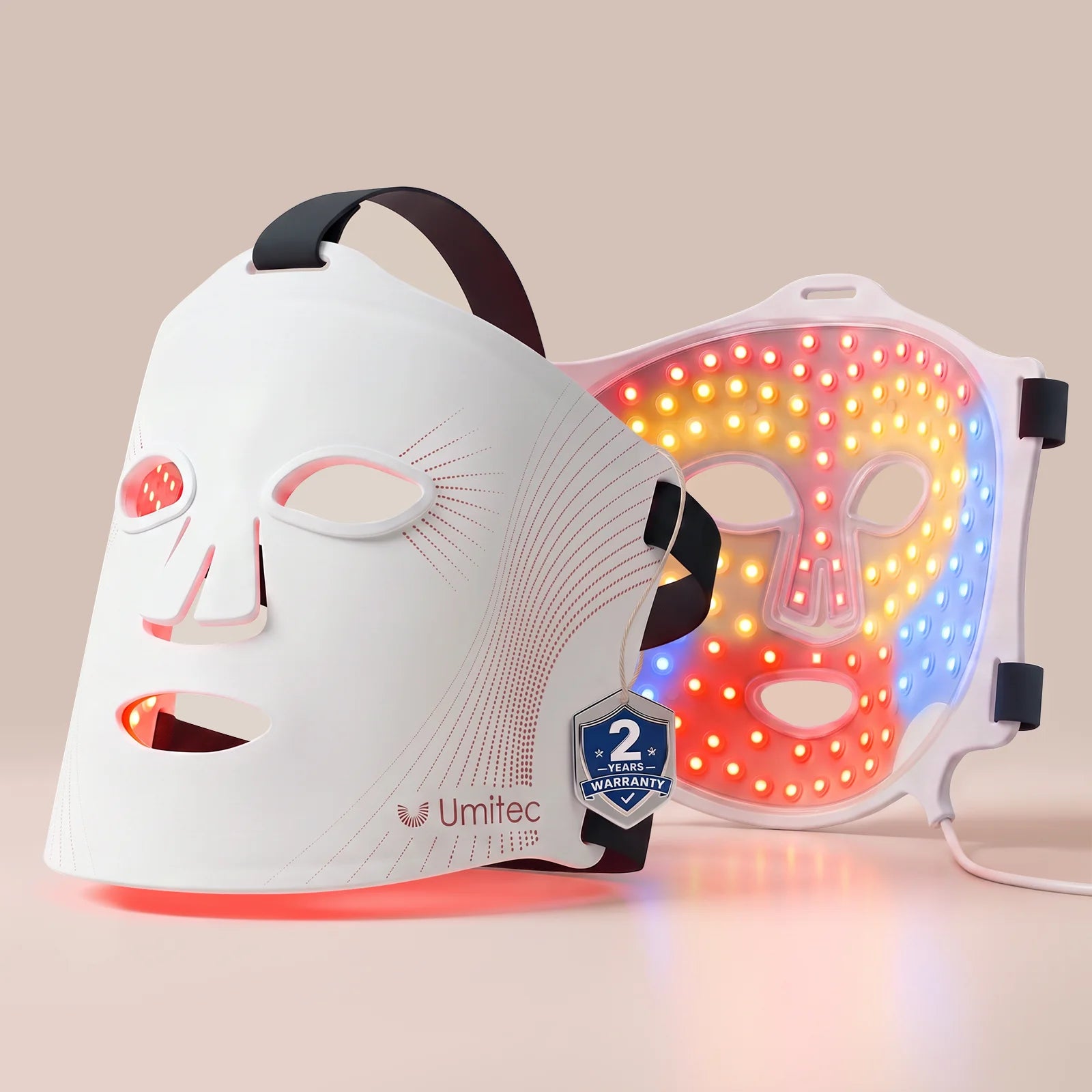
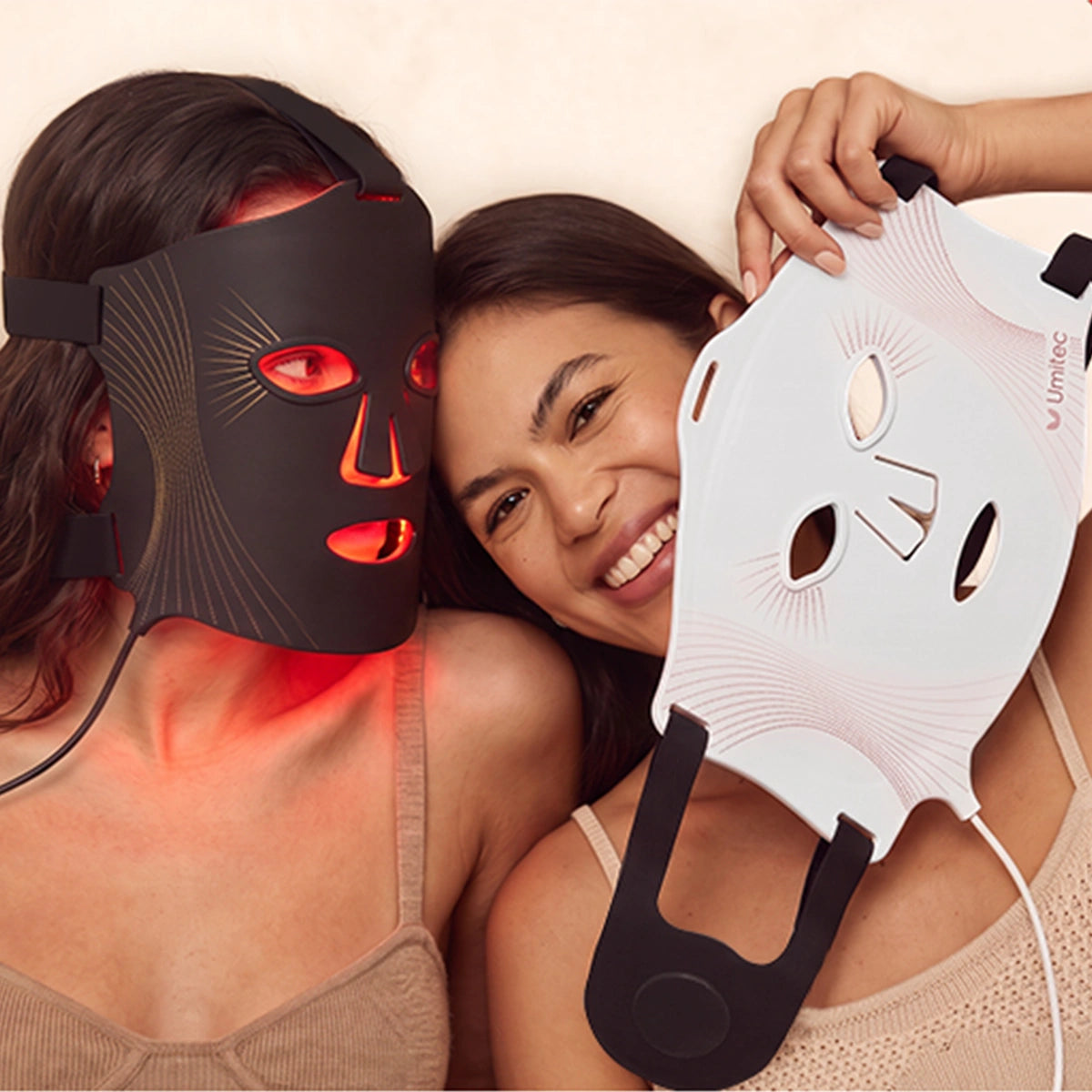
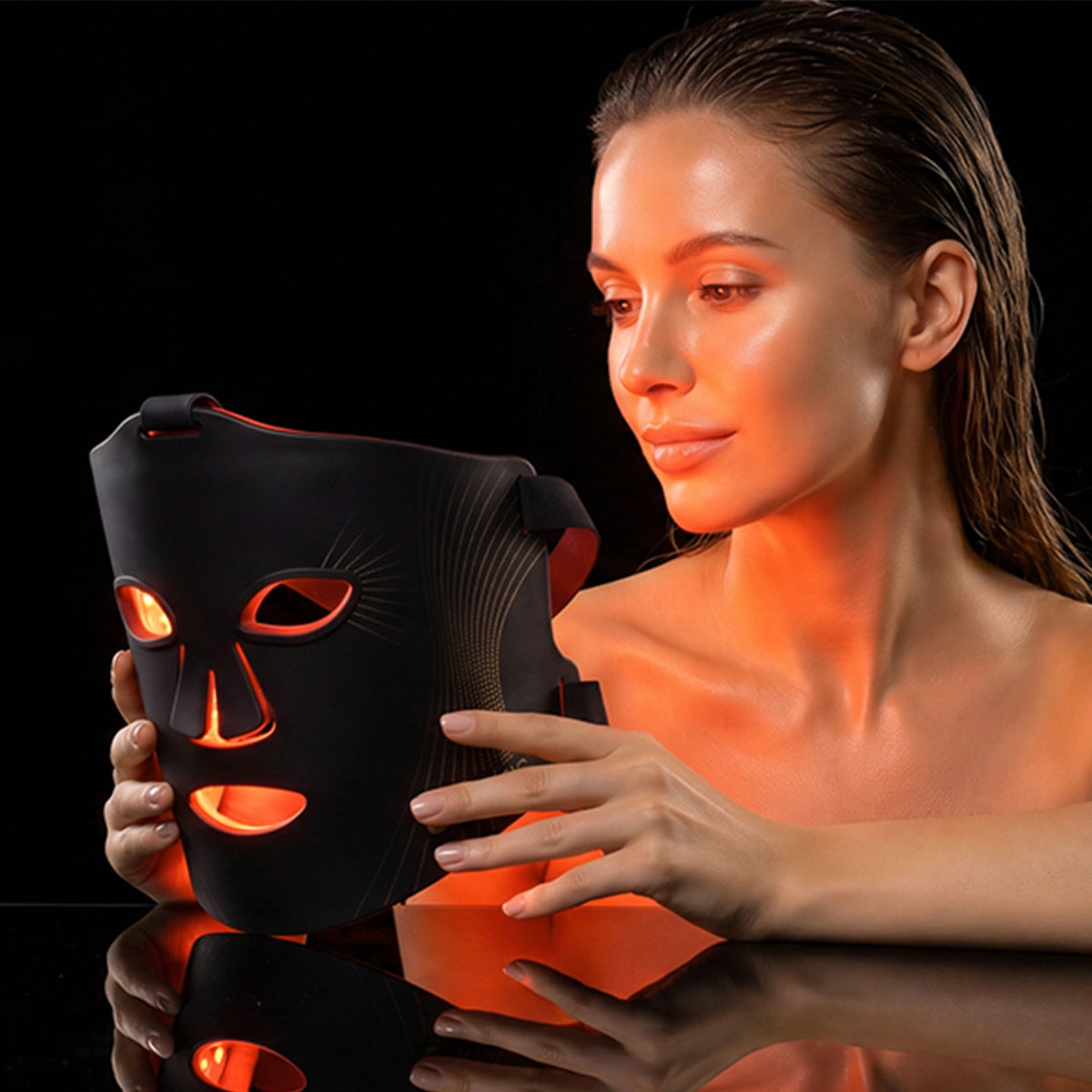
Für Benutzer, die diese Art von Routine um die regelmäßige LED-Anwendung herum aufbauen, ist die Umitec LED Therapy Gesichtsmaske Serie 2 genau für diese Integration konzipiert. Ihre vier Wellenlängen – blau (415 nm) für das Bakterienmanagement, gelb (590 nm) zur Unterstützung der Barriere, rot (630 nm) zur Kollagenstimulation und nahinfrarot (830 nm) zur tieferen Geweberegeneration – decken die primären Hautziele ab, die die meisten Anwender von aktiven Inhaltsstoffen auch mit ihrem Retinol und Vitamin C anstreben. Zweimal bis dreimal pro Woche als erster Schritt in einer Abendroutine verwendet, funktioniert sie mit einem bestehenden aktiven Hautpflegeprotokoll, anstatt Sie zu zwingen, es neu aufzubauen.
Der häufigste Grund, warum Menschen die Aufnahme der LED-Therapie in eine Retinol- oder Vitamin-C-Routine verzögern, ist die Unsicherheit über die Kompatibilität. Die Beweise sind klar: Es gibt hier keinen Inhaltsstoffkonflikt, nur eine Frage der Reihenfolge – und die Antwort auf diese Frage ist konsistent. Zuerst LED, dann Wirkstoffe, und der Rest Ihrer Routine bleibt genau so, wie er ist.



Hinterlasse einen Kommentar
Alle Kommentare werden vor der Veröffentlichung geprüft.
Diese Website ist durch hCaptcha geschützt und es gelten die allgemeinen Geschäftsbedingungen und Datenschutzbestimmungen von hCaptcha.