


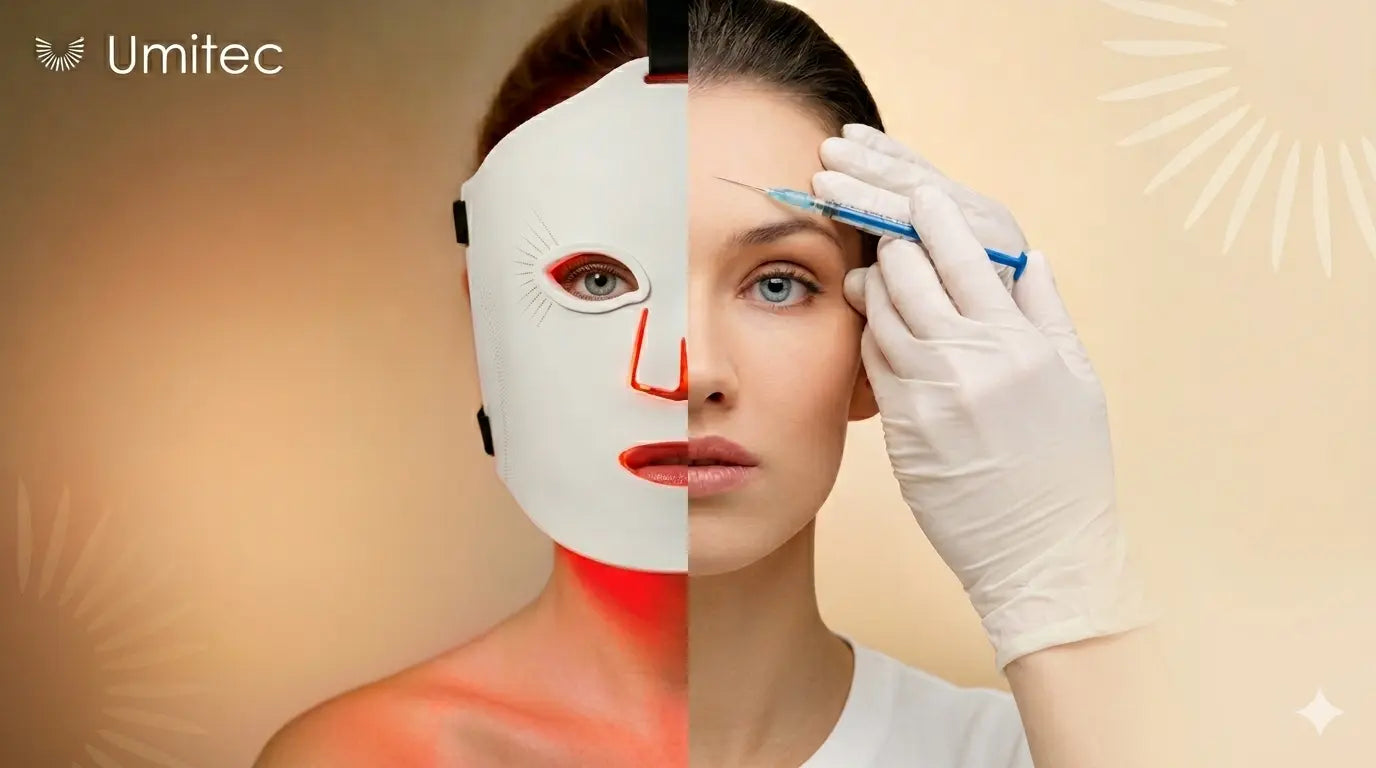
Book an LED facial at a mid-range clinic in London or New York and you'll typically pay between $75 and $175 per session. At a premium medspa, that figure can reach $300. For a single treatment. The practitioner will recommend returning weekly or biweekly for at least four to six weeks to see meaningful results — and then periodic maintenance sessions to sustain them. The math adds up quickly, and for a lot of people, it stops adding up in their favor.
That tension — between the clinical credibility of professional treatment and the compounding cost of accessing it regularly — is one reason the at-home LED mask market has grown so sharply. The global LED light face mask market was valued at around $298 million in 2024 and is projected to reach over $820 million by 2033, a trajectory driven not by novelty but by a straightforward consumer calculation: is this something I can do myself, at home, without meaningful compromise?
This article works through that calculation honestly, comparing what clinic-based LED therapy actually costs over time against the real cost of owning a quality at-home device.
Why LED therapy requires consistency, not just one good session
Understanding the cost question requires understanding how LED therapy actually works. The mechanism — photobiomodulation — involves specific wavelengths of light being absorbed by cells in the skin, triggering a cascade of biological responses: increased ATP production, collagen synthesis support, and, in the case of blue light (415nm), disruption of acne-causing bacteria on the skin's surface. None of this happens in one sitting.
Clinical research consistently shows that meaningful results emerge after multiple sessions conducted over weeks. Studies have observed results from red light therapy after around 30 treatment sessions conducted twice a week, while blue and red LED combined with mild treatment showed observable changes from the second week after approximately 4 sessions. The point is simple: LED therapy is not a one-off treatment. It's a protocol. And protocols cost money every time you step into a clinic to complete them.
The real cost of clinic-based LED therapy
Clinic pricing varies by location and positioning, but the ranges are well-documented. In-office LED therapy sessions typically run between $25 and $300 in the US, with most reputable dermatology clinics and medspas sitting in the $75–$175 range for a standalone facial LED session. In the UK, sessions outside London typically run £35–£90, while premium aesthetic centers in the capital can push toward £150 for targeted facial treatments.
Run those numbers through a realistic protocol and a maintenance schedule:
| Initial course (US) | Annual maintenance (US) | Year-one total (US) |
| $900–$2,100 | $600–$1,400 | $1,500–$3,500 |
| 12 sessions at $75–$175 each (6 weeks, 2× per week) | Monthly follow-up sessions to sustain results | Course + maintenance, excluding travel and consultation fees |
Those figures don't include the hidden costs that don't appear on the price list: travel to and from appointments, time taken out of a workday or weekend, and the not-uncommon consultation fee charged at many clinics before treatment even begins. It's also worth noting that some clinics add "first-time consultation" fees of £20–£50 on top of the session price, and LED therapy is frequently upsold as an add-on to other facial treatments.
The real cost of an at-home LED mask
Quality at-home LED masks occupy a wide price range, from under $50 devices with minimal LED density and no meaningful safety certification, to well-engineered mid-range options sitting in the $150–$400 bracket, to premium devices costing $500 and above. The meaningful distinction isn't price — it's LED density, wavelength accuracy, and whether the device has been independently tested and cleared for safety.
A well-specified device in the $200–$350 range typically offers medical-grade LEDs across multiple wavelengths, adjustable treatment modes, and a safety certification such as FDA clearance. The cost structure after purchase is straightforward: there isn't one. No per-session fee, no appointment booking, no travel. The device is used at home, on your schedule, as often as recommended — typically three to five times per week.
| At-home device (mid-range) | Year-one total | Year-two total |
| $200–$350 | $200–$350 | $0 |
| One-time purchase, no recurring costs | Same figure. No sessions to book or pay for. | The device continues working. Your cost does not. |
Side by side
| Criteria | Clinic sessions | At-home device |
| Year-one cost (US) | $1,500–$3,500 ongoing | $200–$350 one-time |
| Year-two cost | $600–$1,400 (maintenance) | $0 |
| Flexibility | Appointment-dependent; location-bound | Any time, any place, any frequency |
| Safety certification | Clinic equipment regulated; varies by facility | Varies; look for FDA-cleared devices specifically |
| Treatment customization | Practitioner-controlled; limited per-session adjustment | User-controlled modes, wavelengths, intensity levels |
| Professional oversight | Yes — a genuine advantage for complex conditions | None; suits maintenance and general skin health |
The comparison isn't entirely one-sided. Clinic-based treatment does offer genuine advantages: professional-grade equipment with higher irradiance output, expert oversight, and the ability to combine LED with complementary treatments in ways an at-home device cannot replicate. For people managing a specific skin condition under dermatological supervision, or wanting to try LED therapy before committing to a device, clinic sessions make sense.
But for the majority of people seeking consistent, long-term skin maintenance — clearer skin, reduced fine lines, better texture — the numbers point firmly toward home use once you move past the initial curiosity phase.
What to look for in a mid-range at-home device
Not all home LED masks are equivalent, and the low end of the market is genuinely crowded with underpowered devices that lack independent safety testing. The criteria that matter most are LED density (how many diodes, and how evenly distributed across the face), wavelength accuracy (are the stated nm values actually what the LEDs emit), the number of treatment modes available, and whether the device carries an FDA clearance — not just registration, but clearance, which requires evidence of safety and efficacy submitted to and reviewed by the FDA.
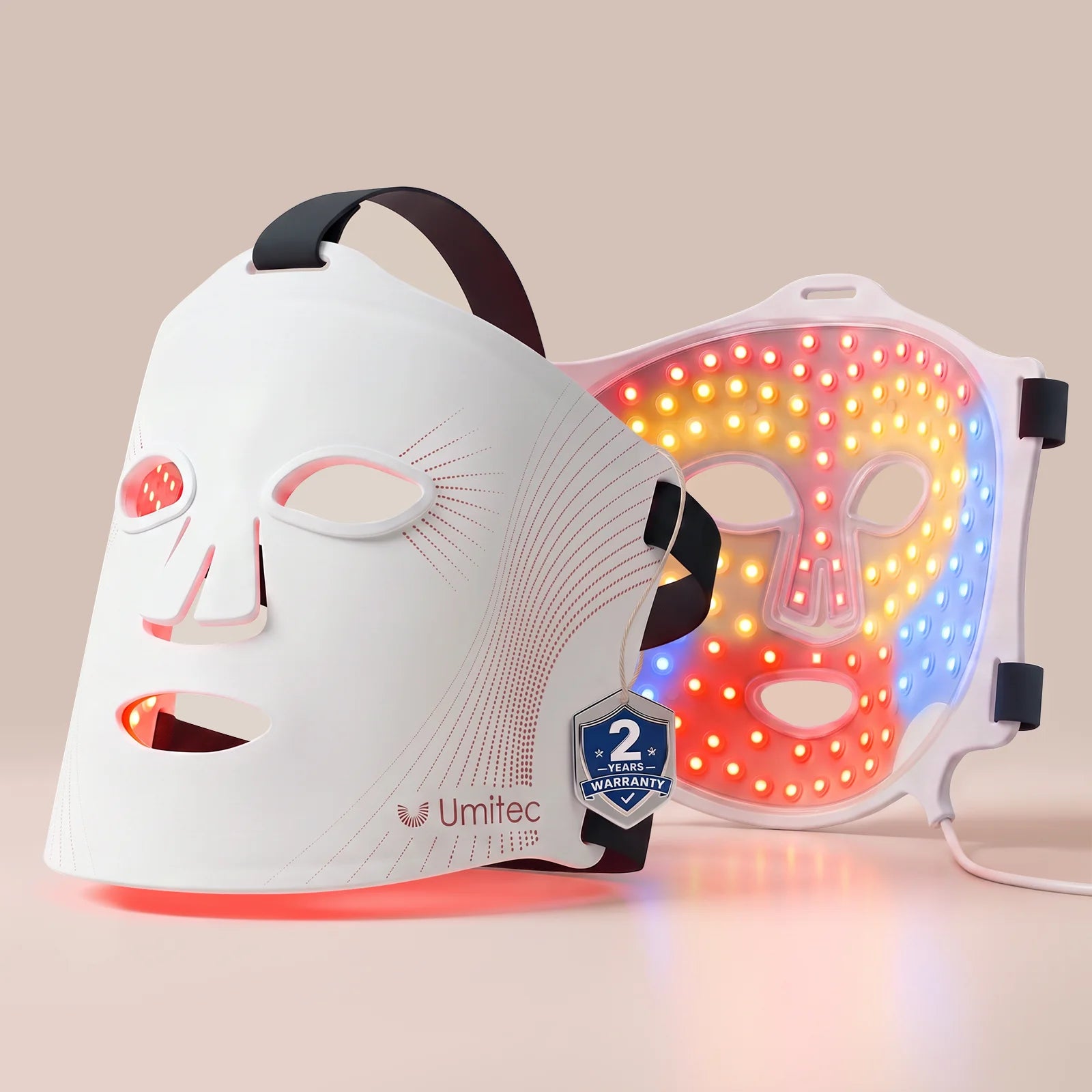
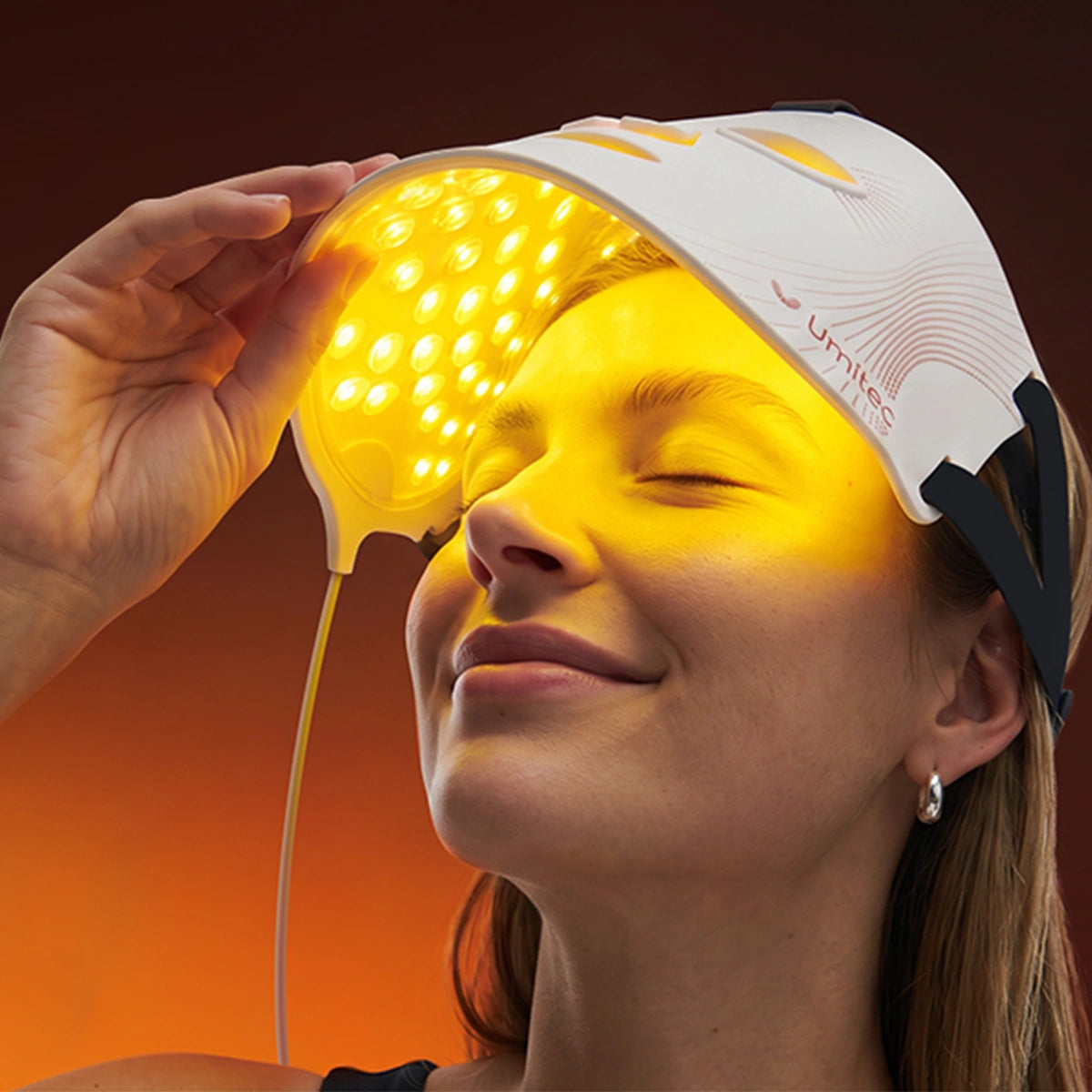
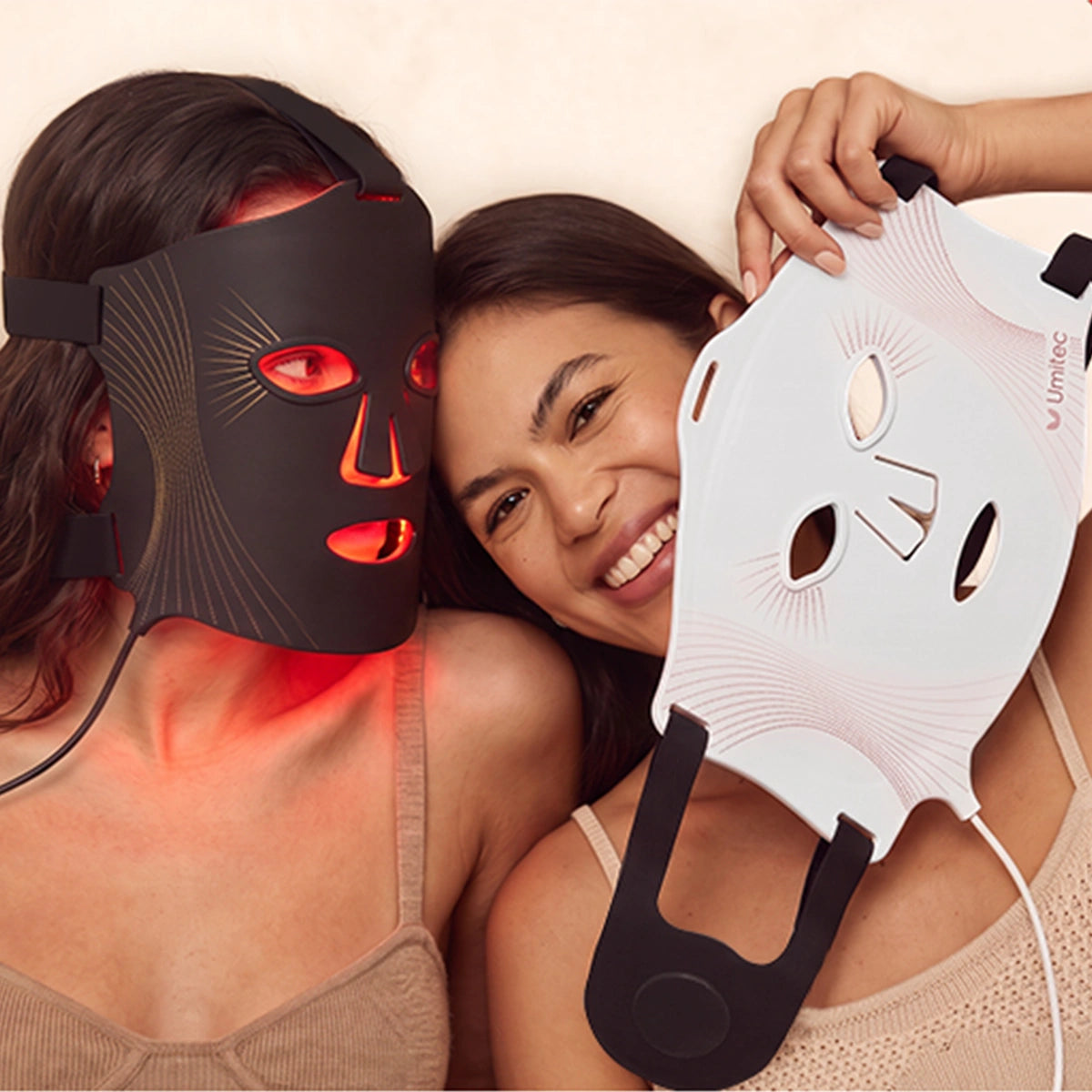
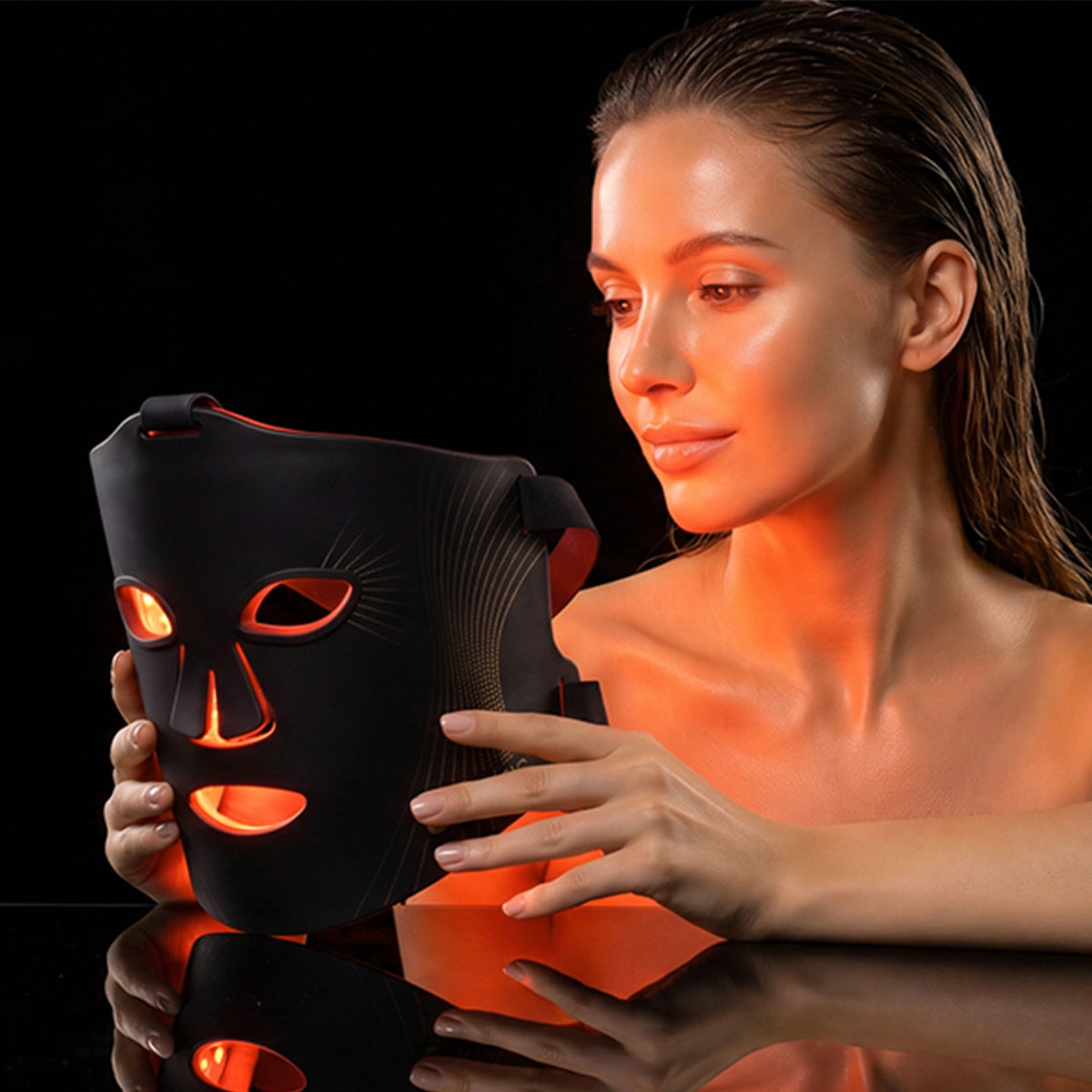
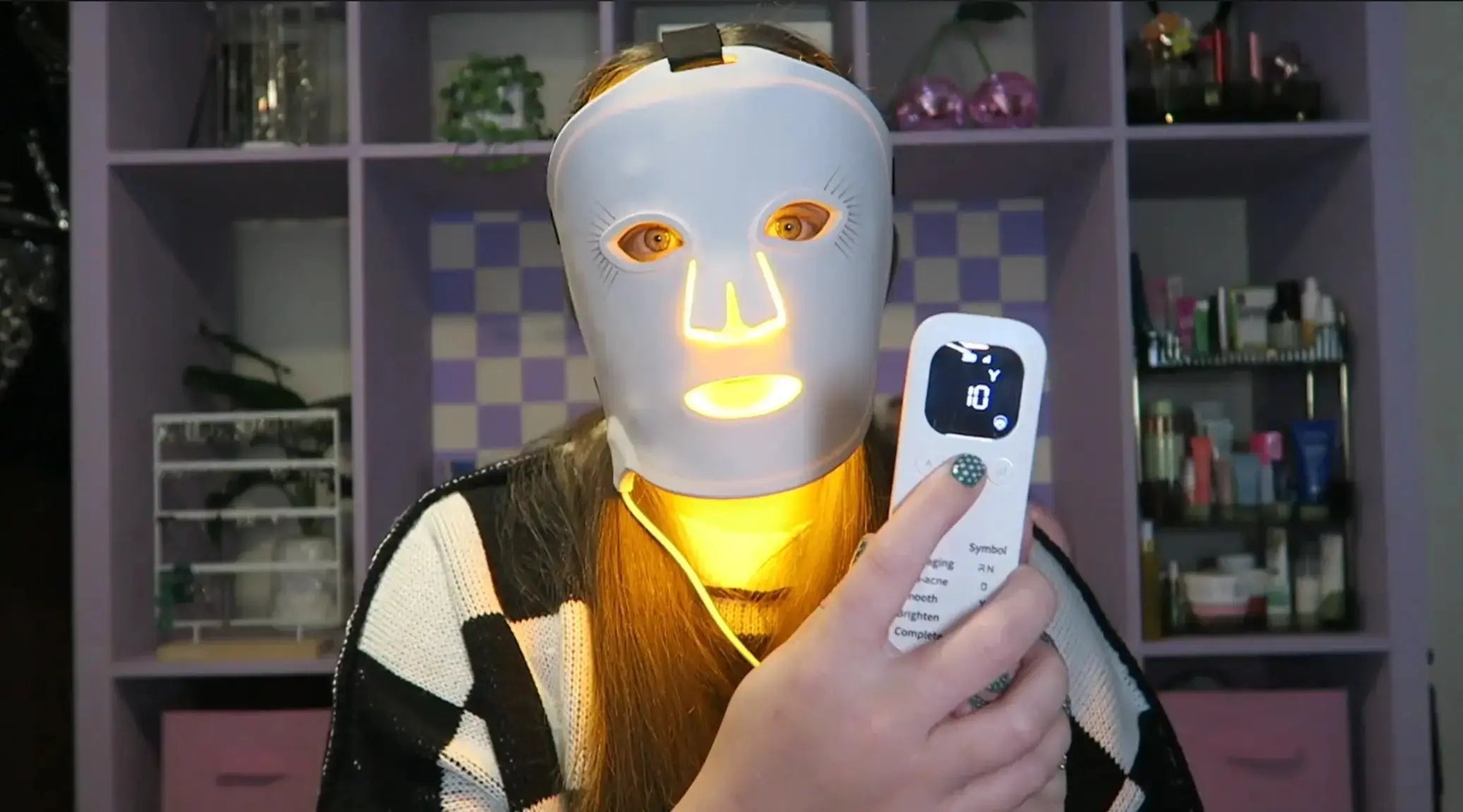
The Umitec LED Therapy Face Mask Series 2 sits squarely in the category of devices that meet these criteria without the pricing of premium-tier brands. It carries FDA clearance, uses 492 medical-grade LEDs across four treatment modes — covering red, blue, and near-infrared wavelengths — and comes backed by a 2-year warranty and a 30-day return policy. For someone who has worked through the cost comparison above and concluded that a home device is the rational choice, it represents a considered option in the mid-range: not the cheapest available, and not attempting to compete with $500+ devices, but well-specified for the price point and independently verified for safety.
The LED therapy market is growing because the value case for consistent at-home use has become difficult to argue against. More than half of UK consumers say they do not trust skincare or beauty products without scientific backing — which is exactly why understanding the difference between a marketing claim and an independently verified one matters when choosing a device. Clinic sessions will always have a role for people who want professional guidance or higher-intensity treatment. But for most people, most of the time, a quality home device used consistently will deliver comparable outcomes at a fraction of the long-term cost. The numbers don't require much interpretation.


Leave a comment
All comments are moderated before being published.
This site is protected by hCaptcha and the hCaptcha Privacy Policy and Terms of Service apply.