

La plupart des conseils sur la thérapie par lumière LED sont rédigés comme si la peau de tout le monde était identique. Ce n'est pas le cas — et quelques petits ajustements en fonction de votre type de peau peuvent faire une réelle différence en termes de confort et de résultats.
Recherchez « comment utiliser un masque LED pour le visage » et vous obtiendrez la même réponse générique à chaque fois : utilisez-le quelques fois par semaine, pendant environ 10 minutes, et soyez patient. Ce conseil n'est pas faux, mais il ne reflète pas la situation dans son ensemble. Les peaux sèches, grasses et mixtes n'ont pas seulement un aspect différent, elles réagissent aussi différemment au traitement par la lumière, aux produits que vous appliquez avant et après une séance, et même aux sensations ressenties pendant la séance.
Si vous vous êtes déjà demandé si votre type de peau spécifique nécessitait une approche différente, voici ce qui compte vraiment — et ce qui ne compte pas.
Comment choisir la thérapie par lumière LED selon votre type de peau
Si vous n'êtes pas tout à fait sûr de la catégorie à laquelle vous appartenez, il est utile de faire un rapide point avant de modifier quoi que ce soit. Les dermatologues classent généralement la peau en cinq types — normale, sèche, grasse, mixte et sensible — en fonction de la production de sébum, de la texture et de la réactivité, comme le souligne la présentation des types de peau de la Cleveland Clinic. Une façon simple de vérifier : nettoyez votre visage, n'appliquez rien d'autre et voyez comment il se sent après 30 minutes. Une sensation de tiraillement et des desquamations indiquent une peau sèche. Un aspect brillant sur tout le visage indique une peau grasse. Une brillance au niveau de la zone T mais une peau normale ou sèche sur les joues indique une peau mixte.
Thérapie par lumière LED pour les peaux sèches
La peau sèche a tendance à bien réagir à la lumière rouge, qui favorise le collagène et est généralement le mode le plus doux en termes de sensation — il n'y a pas de mécanisme de contrôle du sébum à craindre ici, juste un soutien à la qualité de la peau. Les points principaux à surveiller ne concernent pas la lumière elle-même, mais ce qui entoure la séance.
- Appliquez une crème hydratante plus riche immédiatement après votre séance, lorsque la peau est la plus réceptive — la peau sèche perd son hydratation plus rapidement, cette fenêtre est donc plus importante pour vous que pour les types de peau grasse.
- Évitez d'appliquer des ingrédients actifs comme le rétinol ou des acides exfoliants juste avant une séance, car la barrière protectrice des peaux sèches est déjà plus sujette aux irritations.
- Si votre appareil comprend un mode complet combinant plusieurs longueurs d'onde, vous pouvez toujours l'utiliser — vous n'avez pas besoin d'éviter complètement la lumière bleue simplement parce que votre peau est sèche, à moins que vous ne soyez également sujet aux éruptions cutanées.
Thérapie par lumière LED pour les peaux grasses et à tendance acnéique
Pour les peaux grasses et à tendance acnéique, la lumière bleue (environ 415 nm) est la plus pertinente, car elle cible les bactéries à la surface de la peau et l'activité des glandes sébacées à l'origine de la plupart des éruptions cutanées. Quelques ajustements à connaître :
- Pour les peaux grasses, commencer avec une peau propre et sans produit peut aider à maintenir la régularité du traitement par la lumière.
- Si votre peau tolère bien la thérapie par lumière LED, vous pouvez suivre la fréquence hebdomadaire recommandée la plus élevée de votre appareil. En cas d'irritation, réduisez la fréquence et laissez à votre peau plus de temps de récupération.
- Appliquez ensuite une crème hydratante légère et non comédogène plutôt que de sauter cette étape — la peau grasse a toujours besoin d'hydratation, mais pas de formules riches.
Nous approfondissons le fonctionnement mécanique de la lumière bleue dans La thérapie par lumière bleue fonctionne-t-elle vraiment ? si vous souhaitez une analyse complète.
Thérapie par lumière LED pour les peaux mixtes
C'est la catégorie où les attentes doivent être le plus ajustées. La peau mixte est grasse au niveau de la zone T et normale à sèche au niveau des joues — et la plupart des masques LED à domicile, y compris les modèles couvrant tout le visage, diffusent la même intensité lumineuse uniformément sur tout le visage. Ils ne peuvent pas traiter sélectivement la zone T avec de la lumière bleue tout en traitant les joues avec de la lumière rouge en un seul passage.
En pratique, cela signifie que la peau mixte obtient les meilleurs résultats en alternant les séances ou en utilisant un mode combiné plutôt qu'en attendant que l'appareil s'auto-ajuste par zone :
- Utilisez un mode complet ou à spectre complet par défaut, car il traite à la fois les problèmes liés au sébum et à la sécheresse au cours d'une séance.
- Si votre peau a tendance à être plus grasse une semaine donnée (fréquent avec la chaleur, l'humidité ou les changements hormonaux), privilégiez les séances axées sur la lumière bleue et une crème hydratante plus légère après le soin.
- Si vos joues sont tirées ou présentent des desquamations, privilégiez les séances de lumière rouge et appliquez une crème hydratante plus riche spécifiquement sur ces zones, même si le masque a traité tout votre visage uniformément.
Référence rapide
| Type de peau | Mode le plus adapté | Soin après séance |
|---|---|---|
| Sèche | Lumière rouge | Crème hydratante riche, éviter les actifs au préalable |
| Grasse | Lumière bleue | Hydratant léger, non comédogène |
| Mixte | Mode complet, en alternance par semaine | Hydratant ciblé après une séance uniforme |
| Sensible (tout type) | Réglage d'intensité le plus bas, jaune si disponible | Formules sans parfum, réparatrices de barrière |
Thérapie par lumière LED pour les peaux sensibles
La peau sensible n'est pas une catégorie de thérapie par la lumière à part entière, mais plutôt un facteur modificateur qui peut s'ajouter à n'importe lequel des trois types ci-dessus. Si votre peau réagit facilement aux produits, aux conditions météorologiques ou aux frottements, commencez par le réglage d'intensité le plus bas disponible sur votre appareil, et envisagez le mode lumière jaune si votre masque en possède un — il est généralement associé à l'apaisement et à la réduction des rougeurs plutôt qu'au ciblage direct du sébum ou du collagène. Si vous débutez dans la thérapie par la lumière et que vous souhaitez avoir une idée plus précise de ce qui est normal de ressentir lors des premières séances, notre guide sur ce qui est normal ou non lors de vos premières séances est un bon point de départ.
L'essentiel à retenir
La thérapie par lumière LED n'est pas une routine unique pour tout le monde, même si la plupart des guides d'utilisation sont rédigés ainsi. Les directives de base concernant la fréquence et la durée s'appliquent à tous les types de peau, mais le mode que vous privilégiez, la façon dont vous préparez votre peau au préalable et ce que vous appliquez ensuite doivent varier selon que vous êtes confronté à la sécheresse, au sébum, ou aux deux en même temps.
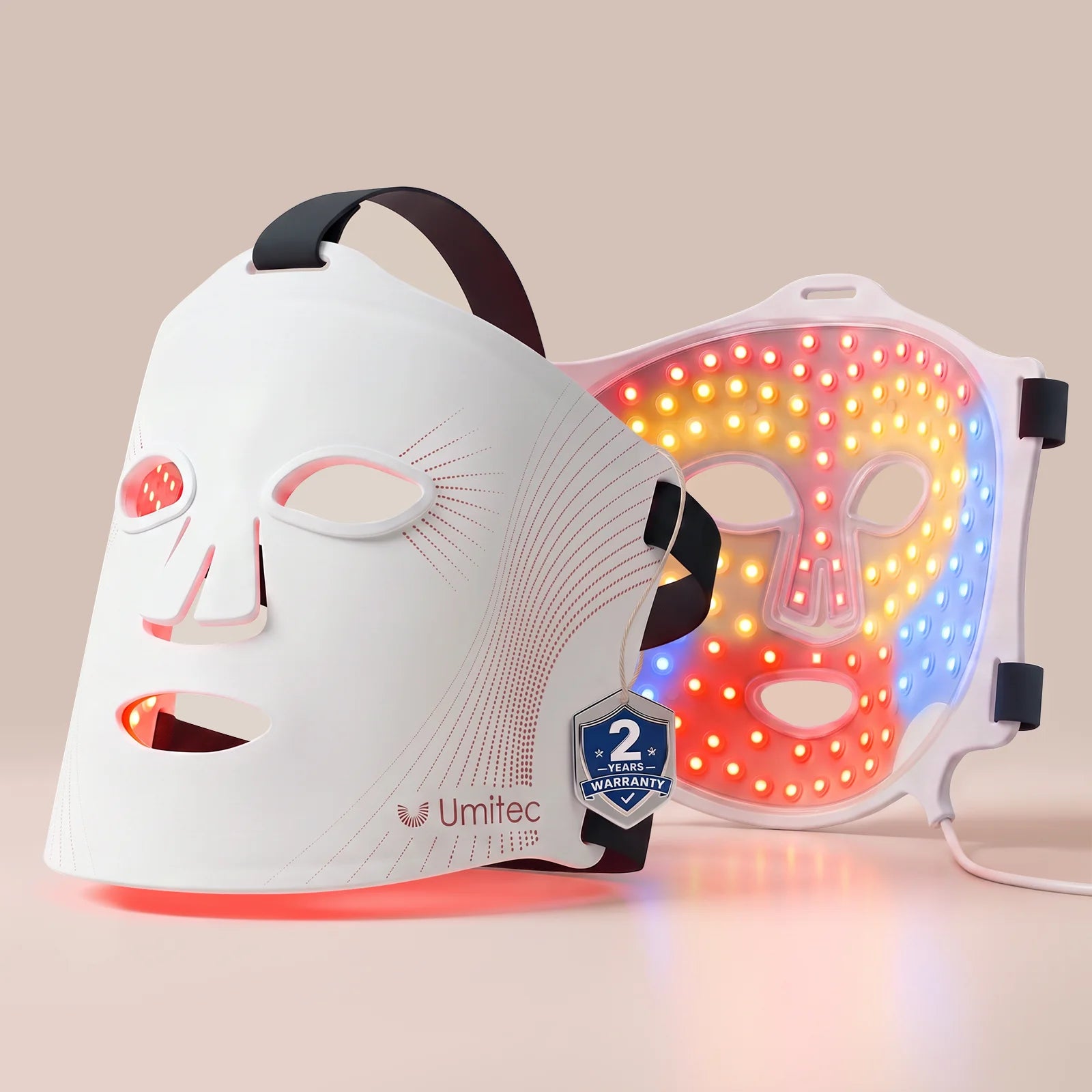
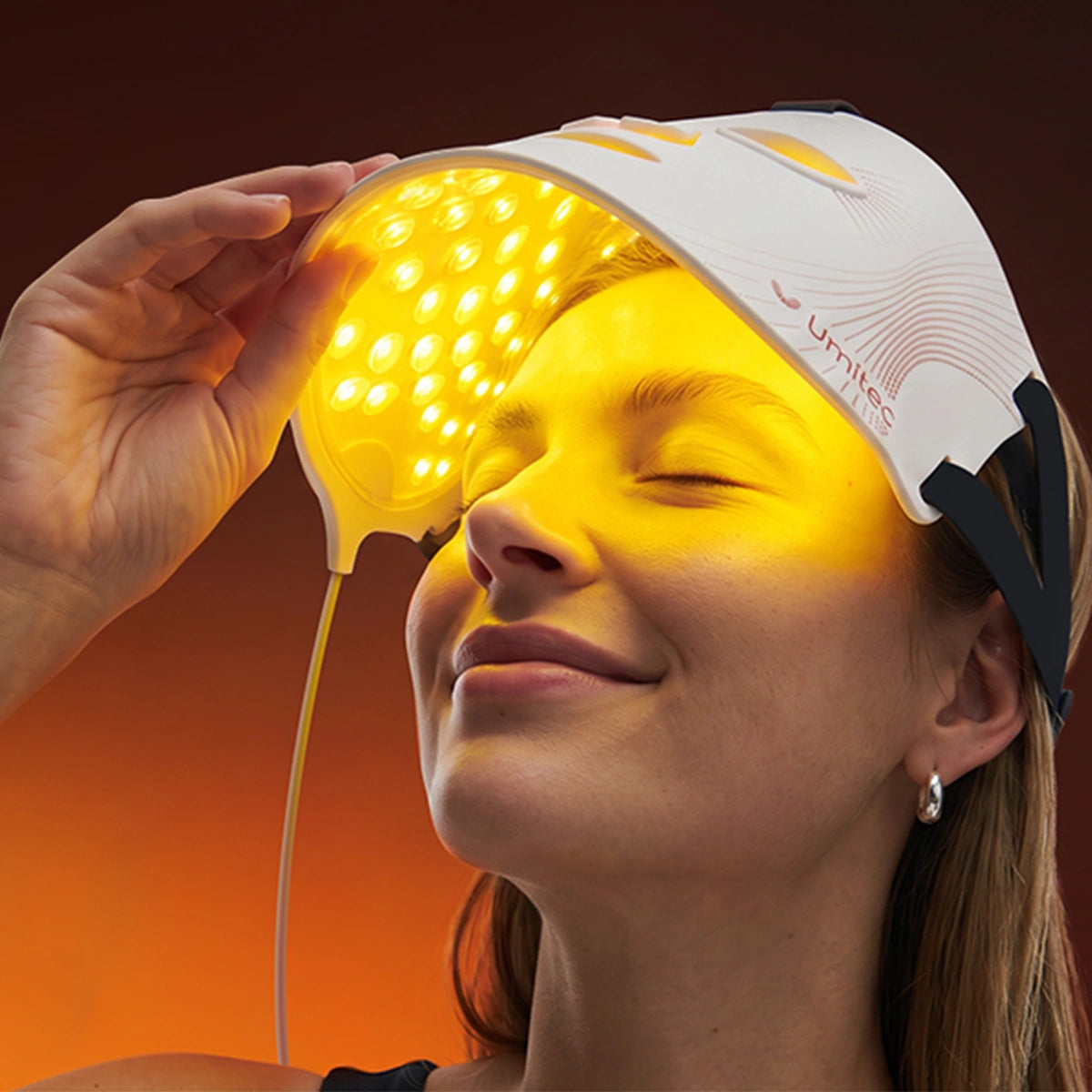
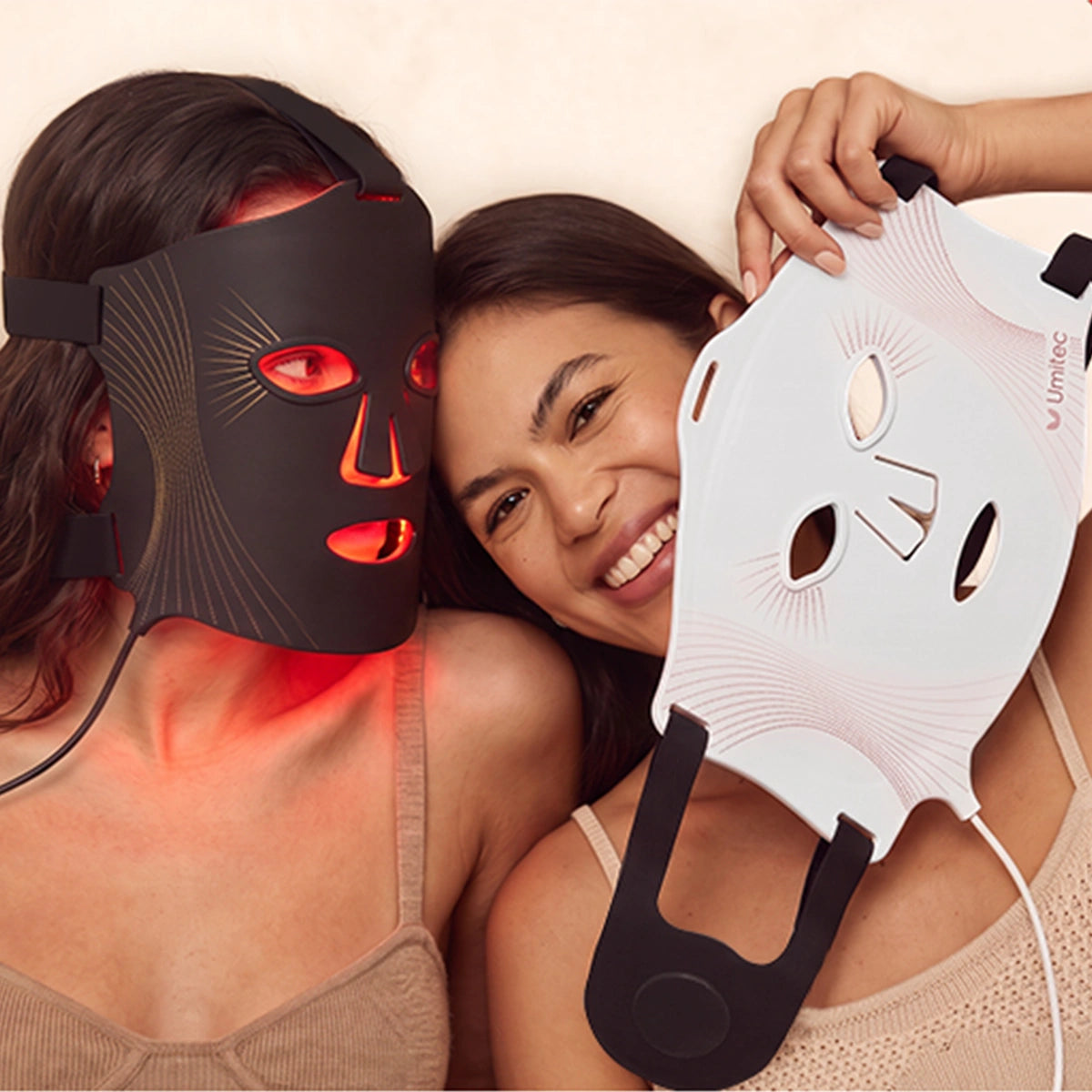
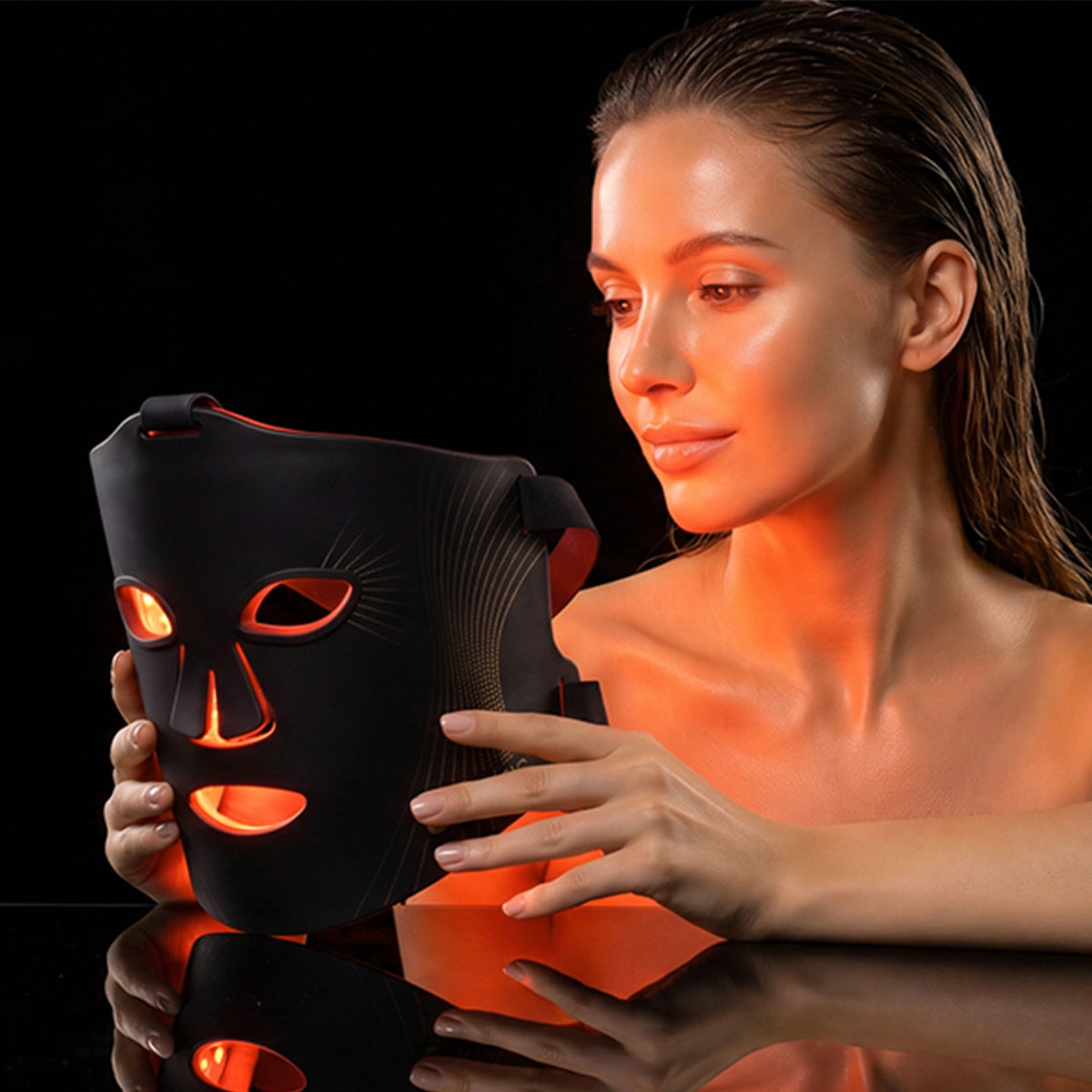
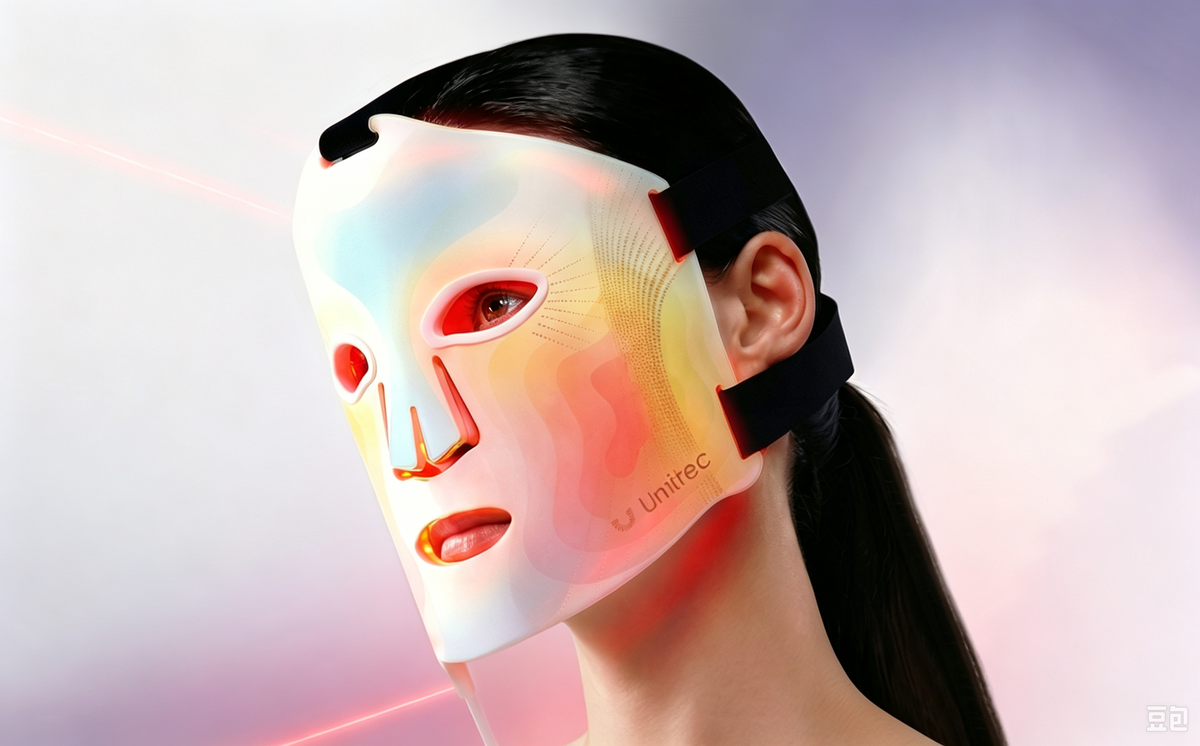
Le masque de thérapie LED Umitec — Série 3 est conçu avec cette flexibilité à l'esprit : quatre modes de lumière distincts, trois niveaux d'intensité réglables et un mode complet qui combine les longueurs d'onde pour les peaux qui ne rentrent pas parfaitement dans une seule catégorie. Vous pouvez parcourir l'ensemble de la collection de masques LED si vous comparez les options en fonction de vos besoins spécifiques en matière de peau.
Connaître votre type de peau ne changera pas la science derrière le fonctionnement de la thérapie par la lumière — mais cela changera la façon dont vous en tirez le meilleur parti.


Laisser un commentaire
Tous les commentaires sont modérés avant d'être publiés.
Ce site est protégé par hCaptcha, et la Politique de confidentialité et les Conditions de service de hCaptcha s’appliquent.