


After a breakout heals, the skin doesn't always return to its previous appearance. You might notice brown spots, reddish marks, or uneven texture that remains long after the acne itself has disappeared.
These changes are often described as acne scars, but not all marks left by acne are true scars. Some are changes in skin color, while others involve changes in the skin's structure.
Understanding the difference is important because different concerns may require different approaches. LED light therapy has been studied for acne and some aspects of skin rejuvenation, but its role in treating existing acne marks and scars needs to be understood carefully.
Here's how to distinguish post-acne discoloration from textural scarring, what LED light therapy may help with, and when other treatments may be more appropriate.
Acne Scars or Post-Inflammatory Hyperpigmentation?
The first step is identifying whether you're dealing primarily with a change in skin color or a change in skin texture.
Post-Inflammatory Hyperpigmentation (PIH)
Post-inflammatory hyperpigmentation, or PIH, refers to darker areas that remain after inflammation or injury to the skin. Following acne, these marks may appear brown, dark brown, or greyish, depending on factors such as skin tone and the depth of pigmentation.
PIH occurs when the inflammatory process associated with a skin lesion affects pigment production or distribution.
Typical characteristics include:
-
Flat marks that sit level with the surrounding skin
-
Brown or darker discoloration
-
Marks that remain after an acne lesion has healed
-
No permanent depression or raised scar tissue
PIH may gradually fade over time, but the process can take months or longer. The timeline varies depending on the depth of pigmentation, skin tone, ongoing inflammation, and sun exposure.
Although the marks may be frustrating, flat post-acne discoloration is not the same as a structural scar.
Post-Inflammatory Erythema (PIE)
Not every flat mark left by acne is caused by excess melanin.
Post-inflammatory erythema, or PIE, refers to persistent reddish or pink marks that can remain after inflammation. These marks are associated with changes in the skin's small blood vessels and inflammatory response rather than simply an increase in pigmentation.
PIE and PIH can sometimes appear together, making post-acne discoloration difficult to classify by appearance alone.
If a mark is persistent or you are unsure what is causing it, a dermatologist can help identify the concern and discuss appropriate treatment options.
Atrophic Acne Scars
Atrophic acne scars are depressions in the skin that develop when the healing process following inflammatory acne does not restore the skin's normal structure.
Common types include:
-
Ice pick scars: Narrow, deep depressions.
-
Boxcar scars: Wider depressions with more defined edges.
-
Rolling scars: Broader depressions that create an uneven or undulating appearance.
Unlike flat discoloration, atrophic scars involve changes in skin structure. They generally do not disappear simply because the original acne has healed.
A gentle look at the skin in good lighting may help you notice differences in texture, but a fingertip test cannot reliably diagnose the type or depth of a scar.
It's also possible to have both post-acne discoloration and atrophic scars at the same time.
Can LED Light Therapy Help With Post-Acne Marks?
LED light therapy uses specific wavelengths of light that have been investigated for different skincare applications. However, evidence for active acne, flat post-acne marks, and established acne scars should not be treated as interchangeable.
Blue Light: Research Focused on Acne
Blue light has been studied for its interaction with porphyrins associated with Cutibacterium acnes (C. acnes), a bacterium involved in acne development.
This research has contributed to interest in blue light as a potential option for managing acne-prone skin.
However, reducing active acne and fading marks left by previous breakouts are two different goals. Evidence that a light treatment may help with active acne does not automatically establish that it can remove existing pigmentation or repair depressed scars.
For people who continue to experience breakouts, managing active acne may help reduce the risk of additional post-acne marks and scars.
Red Light and Near-Infrared Light: What Does the Research Suggest?
Red light and near-infrared light have been investigated for their potential applications in skin rejuvenation, including research involving skin texture and the appearance of wrinkles.
Some studies have also explored LED treatments involving multiple wavelengths and assessed changes in acne scars or other skin measurements. However, findings from a specific study depend on the device, treatment parameters, study design, and characteristics of the participants.
It is important not to assume that every at-home LED mask produces the same effects as a device used in a clinical study.
At present, LED light therapy should not be presented as a proven standalone treatment for established atrophic acne scars. Evidence that it can substantially remodel deep scar tissue is limited, and the results of studies using specific clinical devices cannot automatically be applied to every consumer product.
What About Flat Dark Marks?
For PIH, sun protection and appropriate skincare are important parts of managing discoloration. Depending on the individual, a dermatologist may recommend treatments specifically intended to address pigmentation.
LED light therapy should not be assumed to remove PIH or PIE simply because certain wavelengths are being investigated for other skin concerns.
If discoloration is your main concern, focus on treatments with evidence relevant to the type of mark you have rather than choosing an LED mode based on color alone.
What Results Can You Realistically Expect?
There is no single timeline that applies to every type of post-acne mark or scar.
PIH and Other Flat Marks
Flat discoloration may gradually fade over time, but improvement can take months. The timeline depends on the type and depth of the mark, skin tone, ongoing breakouts, sun exposure, and the treatments being used.
LED light therapy has not been established as a universal solution for fading all types of post-acne discoloration.
Atrophic Acne Scars
Structural scars generally require a different approach from flat marks. The depth, shape, and extent of the scarring influence which treatments may be appropriate.
A dermatologist may discuss options such as microneedling, certain laser procedures, subcision, or other scar-specific treatments depending on the type of scar and individual circumstances.
LED light therapy may be considered as part of a broader skincare routine in some situations, but it should not replace professional assessment when significant scarring is present.
Be cautious of products that promise to eliminate deep acne scars within a fixed number of weeks. Treatment outcomes vary, and structural scars are often more challenging to improve than discoloration.
How to Build a Skincare Routine After Acne
Whether you're dealing with flat marks, uneven texture, or both, a consistent and appropriate skincare routine can help support your skin.
Consider the following steps:
-
Use sun protection: Regular broad-spectrum sunscreen helps limit additional UV-related skin damage and may help prevent pigmentation from becoming more noticeable.
-
Keep your routine gentle: Avoid excessive scrubbing or introducing multiple irritating products at once.
-
Address active acne: Managing ongoing breakouts can help reduce the likelihood of new marks and scars.
-
Choose targeted treatments carefully: Treatments for pigmentation are not necessarily the same as treatments for structural scars.
-
Seek professional advice when needed: Persistent acne, significant scarring, or unexplained skin changes may benefit from a dermatologist's assessment.
If you use an LED face mask, follow its instructions and avoid assuming that more frequent use will produce faster results.
A More Flexible Approach to At-Home LED Skincare
Post-acne concerns can coexist with other skincare priorities, such as visible fine lines, uneven texture, or general skin maintenance. Understanding what a device is designed to do can help you decide whether it fits your routine.
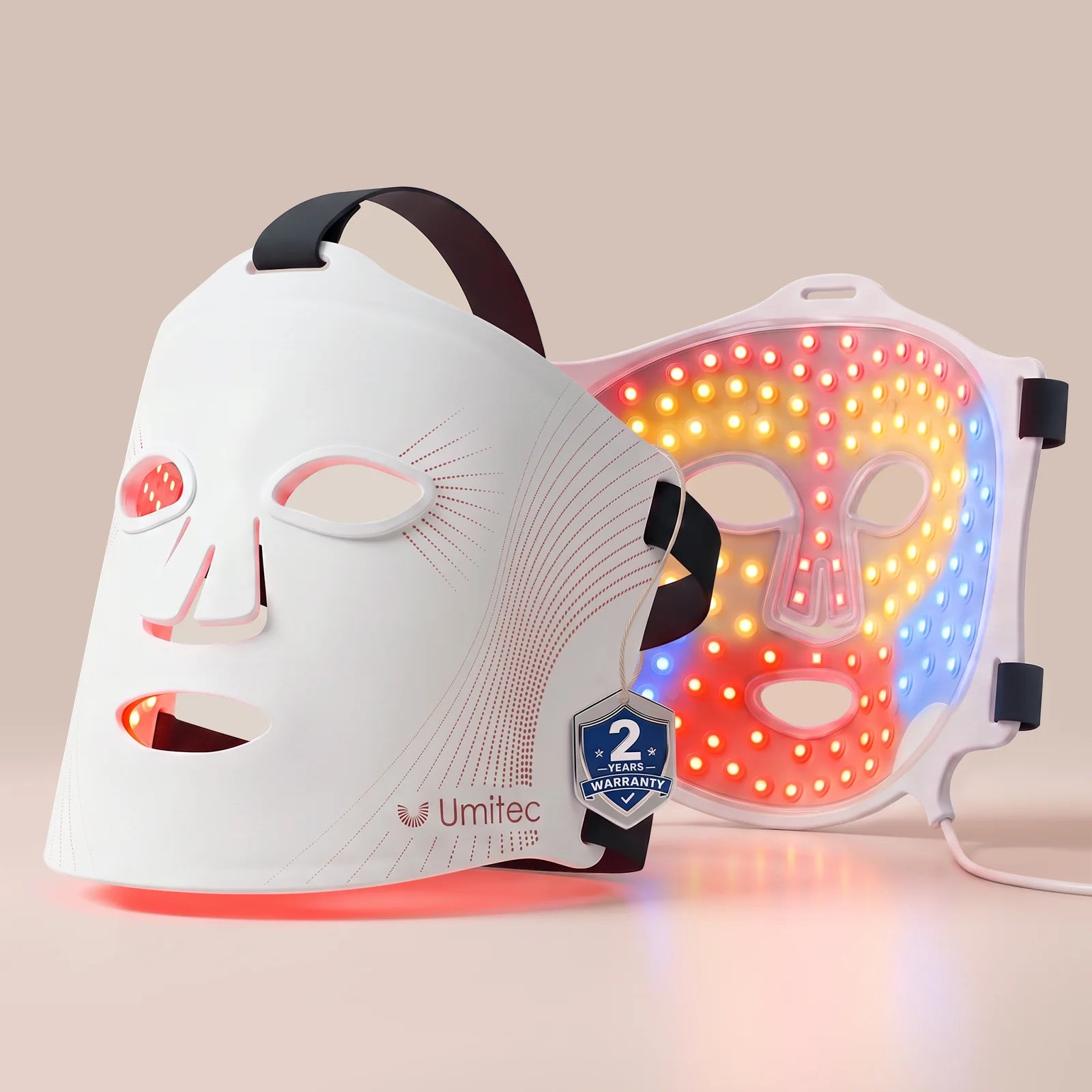
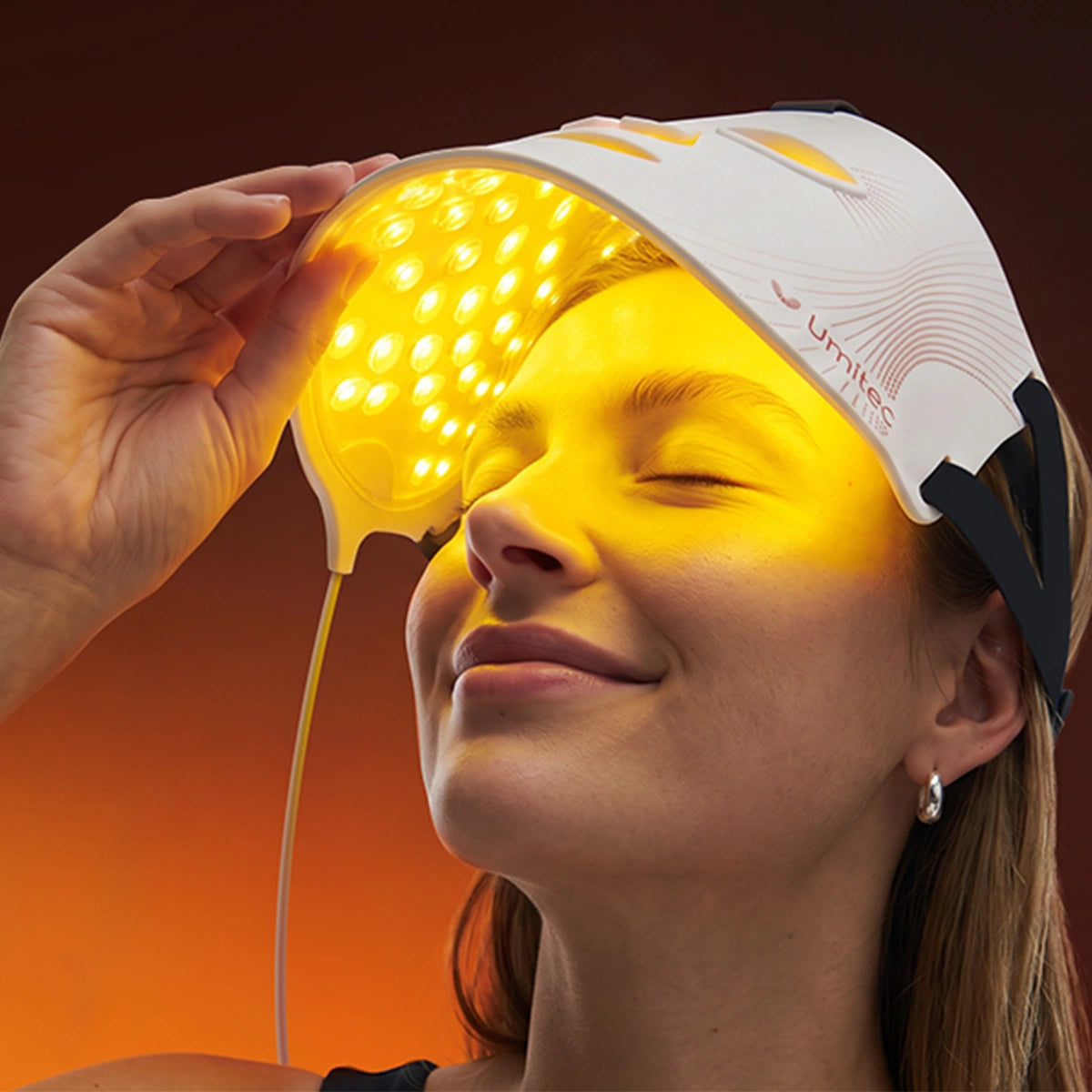
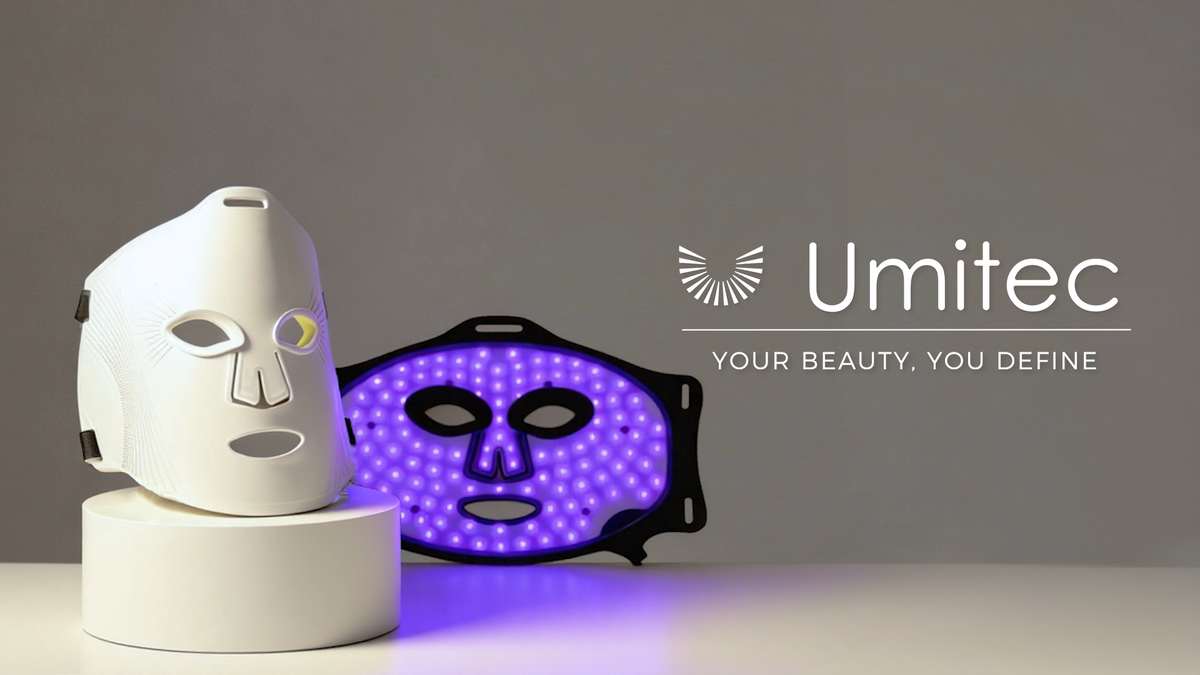
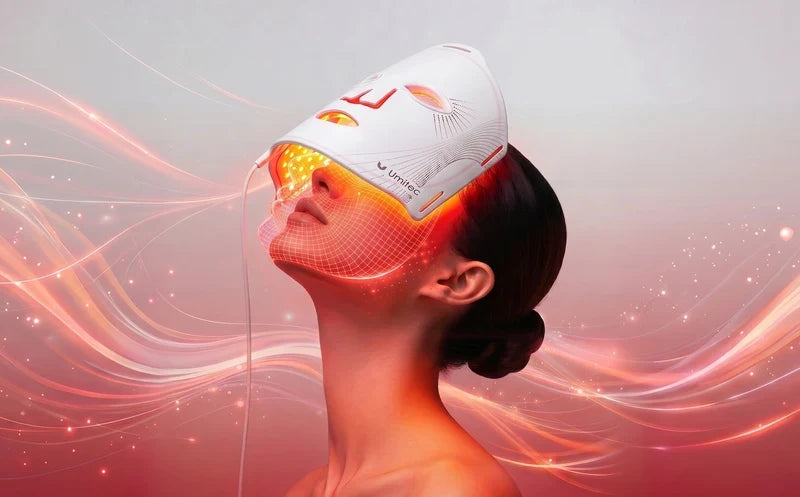
UMITEC ZoneCraft™ LED Face Mask Series 3 offers four targeted facial treatment zones alongside a full-face mode.
Its available configurations include:
-
T-zone: Blue light for targeted care in areas prone to blemishes.
-
Eye area: Red light + near-infrared light for anti-aging skincare.
-
Cheek area: Yellow light for targeted skincare.
-
Lip area: Yellow + red light + near-infrared light for a combined skincare routine.
-
Full-face mode: An option for an overall LED skincare session.
The device also features three intensity levels and a built-in eye mask, allowing users to choose from the available treatment settings according to their skincare preferences.
These features do not mean that the mask can diagnose acne scars, remove pigmentation, or repair depressed scar tissue. Choose a mode according to the manufacturer's intended use, and maintain realistic expectations about what at-home LED treatment can achieve.
Final Thoughts
Not every mark left by acne is a scar. PIH and PIE are forms of post-inflammatory discoloration, while atrophic acne scars involve changes in the skin's structure.
That distinction matters because flat marks and textural scars may require different treatment approaches.
LED light therapy has been studied for active acne and aspects of skin rejuvenation, but the evidence does not support treating it as a universal solution for every type of post-acne mark or established scar.
Start by identifying your main concern, maintain a gentle skincare routine, use sun protection, and seek professional advice when needed. If you choose an LED face mask, understand its documented capabilities and use it according to the manufacturer's instructions.

Hinterlasse einen Kommentar
Diese Website ist durch hCaptcha geschützt und es gelten die allgemeinen Geschäftsbedingungen und Datenschutzbestimmungen von hCaptcha.