


Skin aging doesn't look the same for everyone. Some people first notice fine lines around their eyes, while others are more concerned about uneven skin tone, dark spots, dryness, or a gradual loss of firmness.
These differences are influenced by several factors, including genetics, natural aging, sun exposure, hormonal changes, and lifestyle habits. Understanding what may be contributing to your skin concerns can help you build a skincare routine that better fits your needs.
LED light therapy has also attracted interest as a non-invasive approach to skincare, particularly for concerns related to the visible signs of aging. But before choosing a treatment, it's important to understand what different skin changes may mean, what LED research can tell us, and what realistic results look like.
1. Intrinsic Aging: The Natural Changes That Come With Time
Intrinsic aging, also called chronological aging, is the gradual process that occurs as the skin changes over time. Genetics and normal biological processes influence how these changes develop.
As skin ages, collagen production and other processes involved in maintaining its structure can change. Skin may gradually become thinner, less firm, or less elastic, and fine lines may become more noticeable.
Common signs include:
-
Fine lines around the eyes and mouth
-
A gradual loss of firmness and elasticity
-
Skin that appears thinner or less plump
-
Changes in texture over time
These changes are a normal part of aging. Their timing and severity vary between individuals, and they cannot be explained by age alone.
Where Does LED Light Therapy Fit In?
Red light and near-infrared light have been studied for their potential applications in skin rejuvenation. Research has explored whether specific light treatments may influence cellular processes associated with skin appearance, including those involved in texture, wrinkles, and elasticity.
However, results depend on the device, treatment parameters, and study design. Research involving a particular wavelength or professional device does not automatically establish the effectiveness of every at-home LED mask.
For anyone considering LED light therapy, it's best to look for transparent device specifications, clear safety instructions, and evidence that relates to the device being used.
2. Photoaging: When Sun Exposure Leaves Visible Signs
Photoaging refers to skin changes associated with cumulative exposure to ultraviolet (UV) radiation, particularly from the sun.
Unlike changes caused primarily by chronological aging, photoaging is strongly influenced by environmental exposure. Over time, UV radiation can contribute to collagen breakdown, changes in skin texture, and irregular pigmentation.
Common signs may include:
-
Uneven skin tone
-
Dark spots and other visible pigmentation changes
-
Fine lines and deeper wrinkles
-
Rough or uneven texture
-
Reduced skin firmness
The appearance of photoaging varies with skin tone, genetics, exposure history, and other factors. Some people notice pigmentation changes more prominently, while others are more concerned about wrinkles or texture.
Can LED Light Therapy Address Photoaged Skin?
Red light and near-infrared light have been investigated for their potential role in improving the appearance of aging skin. Some studies have reported changes in measures such as wrinkles or skin elasticity, although results are not uniform across all devices and treatment protocols.
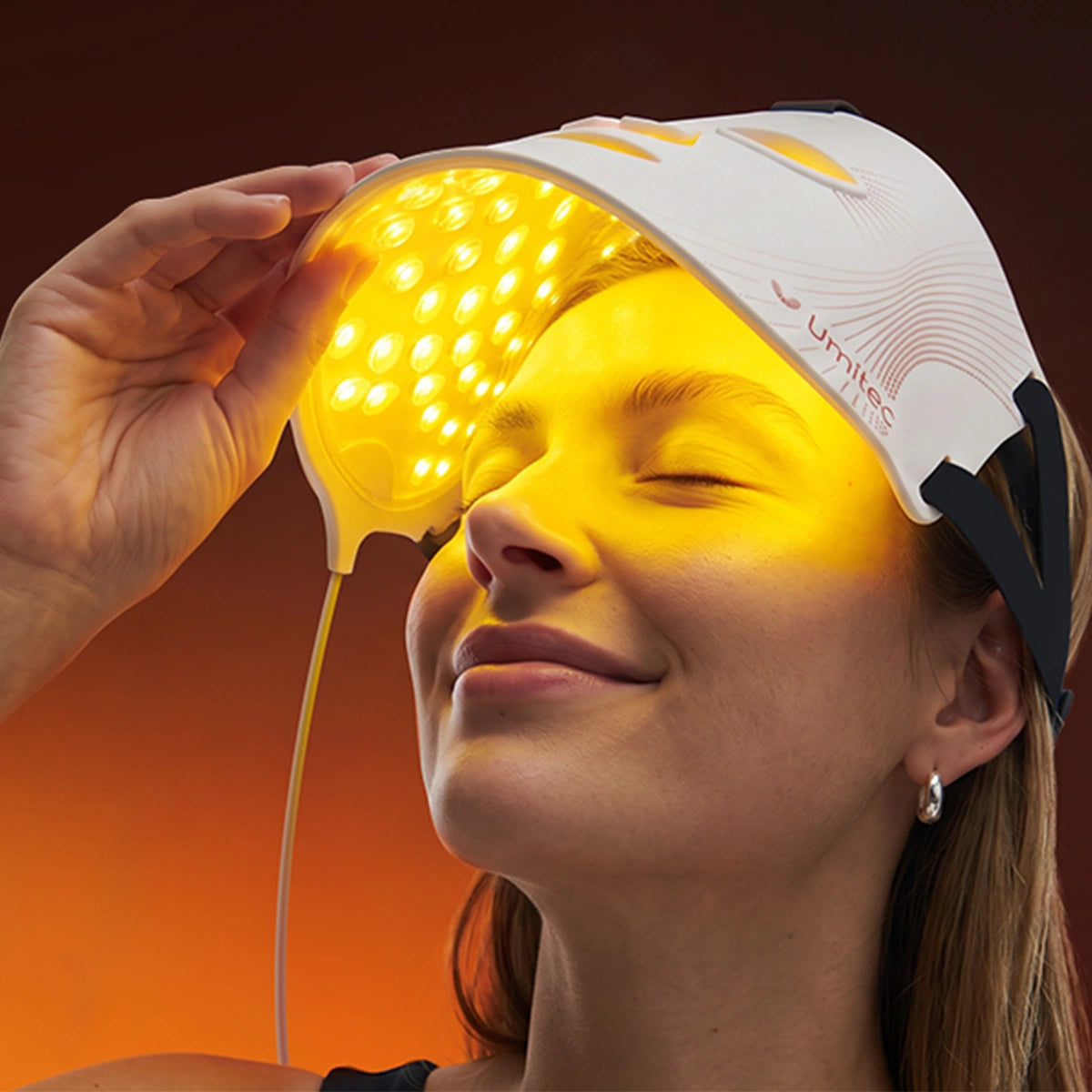
Yellow light has also been explored in skincare applications, but evidence for specific outcomes varies. It should not be assumed that yellow light can reverse UV damage, remove dark spots, or reliably suppress melanin production.
An important distinction: LED light therapy is not a substitute for sun protection. Daily sunscreen use, protective clothing, and sensible sun exposure habits remain essential for helping prevent further UV-related skin damage.
3. Lifestyle and Stress: Factors That Can Influence Skin Appearance
Skin appearance is affected by more than age and sun exposure. Sleep, stress, nutrition, smoking, environmental conditions, and everyday skincare habits can also play a role.
Periods of stress or inadequate sleep may coincide with skin that looks dull, tired, or less refreshed. Stress may also affect some existing skin conditions, while poor sleep and certain lifestyle habits can influence the skin's appearance and overall condition.
However, there is no single set of visible signs that reliably identifies stress as the cause of skin aging. Dullness, fine lines, uneven tone, and changes in skin texture can have multiple explanations.
What Can You Do?
Rather than trying to match every concern with a single skincare treatment, start with the basics:
-
Maintain a consistent sleep schedule where possible.
-
Use a gentle cleanser and a moisturizer suited to your skin.
-
Apply broad-spectrum sunscreen regularly.
-
Avoid introducing too many new skincare products at once.
-
Choose treatments based on your specific concerns and your skin's tolerance.
LED light therapy may be one option to explore as part of a broader skincare routine, but it should not be presented as a proven way to reverse stress-related aging or regulate cortisol.
4. Hormonal Changes: When Skin Becomes Drier or Less Firm
Hormonal changes can influence the skin at different stages of life. For some people, changes associated with perimenopause and menopause may contribute to dryness, reduced elasticity, and changes in skin texture.
Potential signs include:
-
Increased dryness
-
A feeling of reduced plumpness
-
Changes in firmness and elasticity
-
Greater sensitivity or discomfort with some skincare products
-
More noticeable fine lines
These changes do not occur in the same way for everyone. Skin dryness and sensitivity can also result from environmental conditions, skincare ingredients, medications, and other factors.
Building a Comfortable Routine
When skin becomes drier or more reactive, a simple and consistent routine can be helpful. A gentle cleanser, a well-tolerated moisturizer, and daily sun protection provide a practical foundation.
If you're considering LED light therapy, check the device's safety instructions and choose an approach that suits your skin and individual circumstances. If you have persistent irritation, a diagnosed skin condition, or questions about treatment during hormonal transitions, a qualified healthcare professional can help you decide what is appropriate.
LED therapy should not be described as a way to restore hormone levels or reverse hormonal aging.
5. Can LED Light Therapy Help With the Visible Signs of Aging?
LED light therapy uses light at specific wavelengths, and different wavelengths are being investigated for different skincare applications.
Red light and near-infrared light have received attention in research on skin rejuvenation, including studies assessing the appearance of wrinkles and skin elasticity. However, the evidence varies, and outcomes from one device cannot automatically be applied to another.
When evaluating an LED face mask, consider the following:
Understand the device's specifications. Check which wavelengths and treatment modes the manufacturer actually provides. Do not assume that every device offers the same combination of lights.
Look for relevant evidence. A study should be evaluated in the context of its participants, treatment protocol, measurement methods, and device. A result from one clinical trial is not a guarantee of individual outcomes.
Follow the recommended routine. Treatment duration and frequency should follow the manufacturer's instructions. More frequent use does not necessarily mean better results.
Keep expectations realistic. LED light therapy is not a replacement for sunscreen, medical treatment, or a comprehensive skincare routine. Visible results, if they occur, may vary between individuals.
6. Choosing an LED Routine That Fits Your Skin
You don't need to label your skin as just one type of aging. Natural aging, sun exposure, hormonal changes, and lifestyle factors can overlap, so your main concerns may change over time.
A more practical approach is to identify what you want to focus on, then choose products and treatments based on their documented features and intended use.
For example, someone concerned about visible fine lines may prioritize research on skin rejuvenation, while someone noticing uneven pigmentation should pay particular attention to sun protection and evidence-based options for pigmentation concerns.
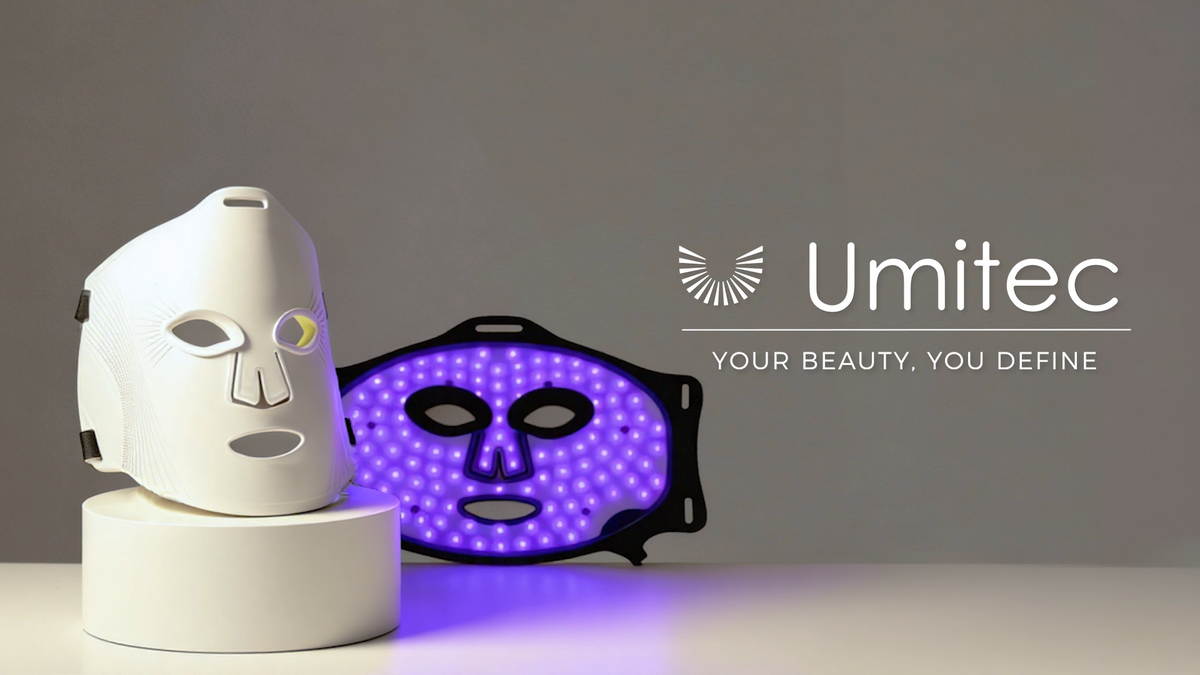
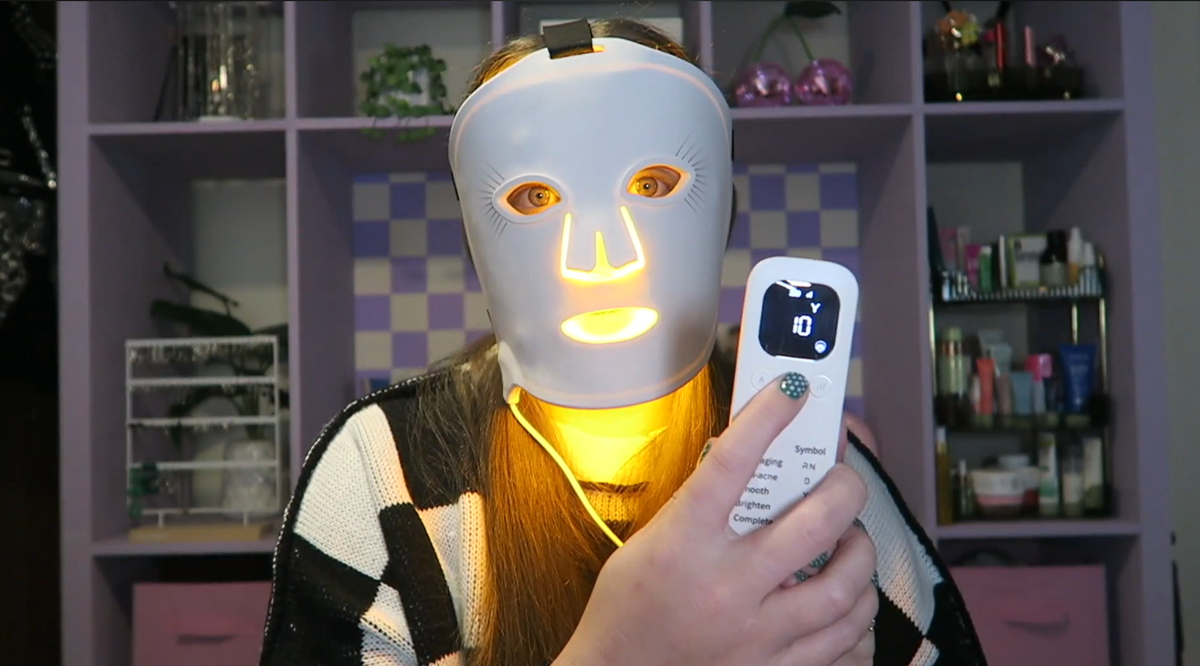
A Closer Look at UMITEC ZoneCraft™ LED Face Mask Series 3
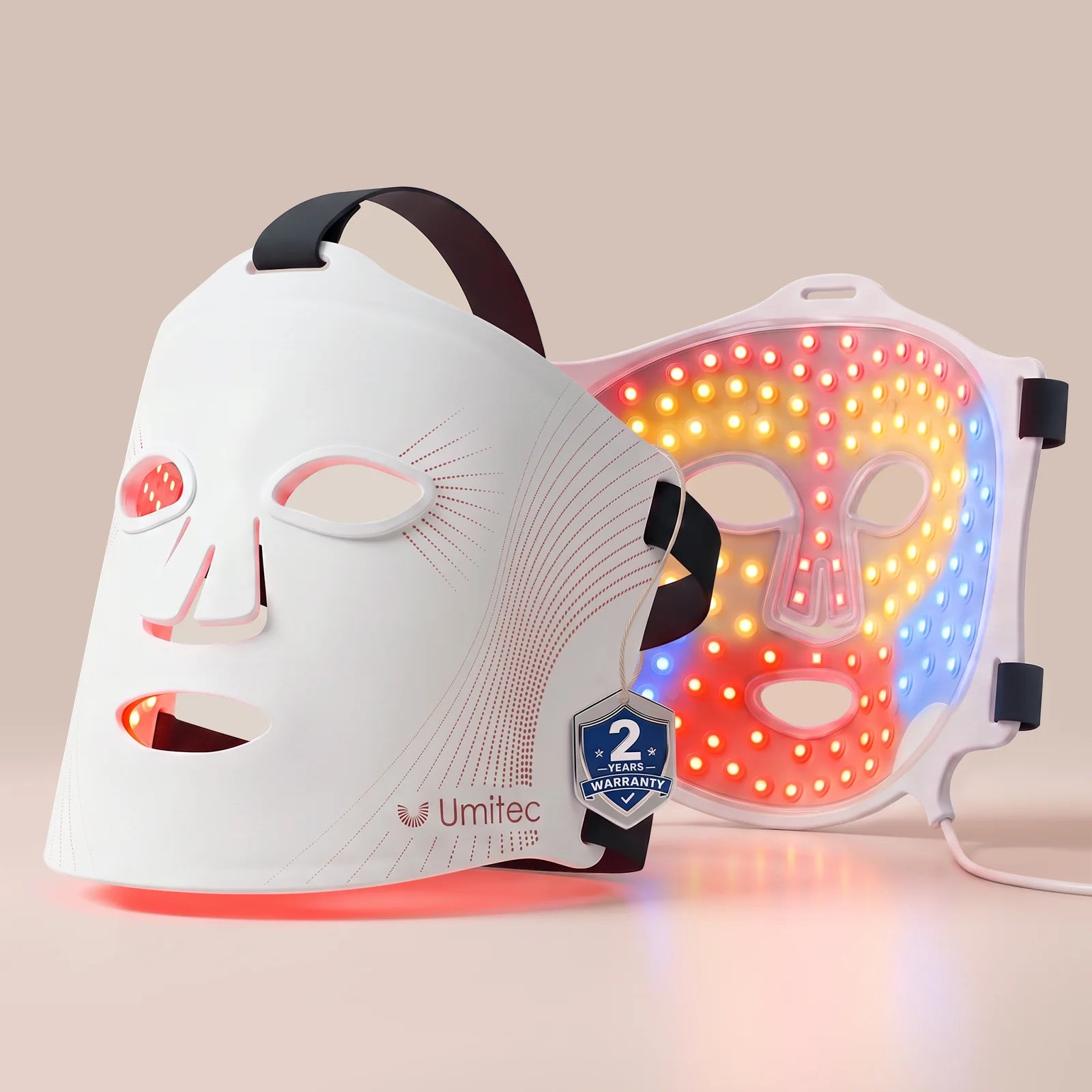
UMITEC ZoneCraft™ LED Face Mask Series 3 is designed to offer targeted facial treatment zones alongside a full-face mode.
Its treatment configuration includes:
-
T-zone: Blue light
-
Eye area: Red light + near-infrared light
-
Cheek area: Yellow light
-
Lip area: Yellow + red light + near-infrared light
-
Full-face mode: An option for an overall LED skincare session
The mask also features three intensity levels and a built-in eye mask. These design features allow users to choose from the device's available treatment modes according to their skincare preferences.
The different modes should not be interpreted as a diagnosis or a guaranteed solution for a particular type of aging. Follow the product instructions, and choose treatments based on the device's documented intended use.
Final Thoughts
Skin aging is influenced by several overlapping factors, from natural biological changes and cumulative sun exposure to hormonal transitions and lifestyle habits.
Understanding these influences can help you make more informed skincare choices. Red light and near-infrared light have been studied for their potential applications in skin rejuvenation, but the strength of the evidence varies by device and treatment protocol.
For a practical long-term approach, start with daily sun protection, a consistent skincare routine, and realistic expectations. If you choose to explore LED light therapy, select a device with clear specifications and safety guidance, and use it according to the manufacturer's instructions.
The goal isn't to find one light that solves every skin concern. It's to understand your skin, choose appropriate care, and build a routine you can maintain.

Hinterlasse einen Kommentar
Diese Website ist durch hCaptcha geschützt und es gelten die allgemeinen Geschäftsbedingungen und Datenschutzbestimmungen von hCaptcha.