

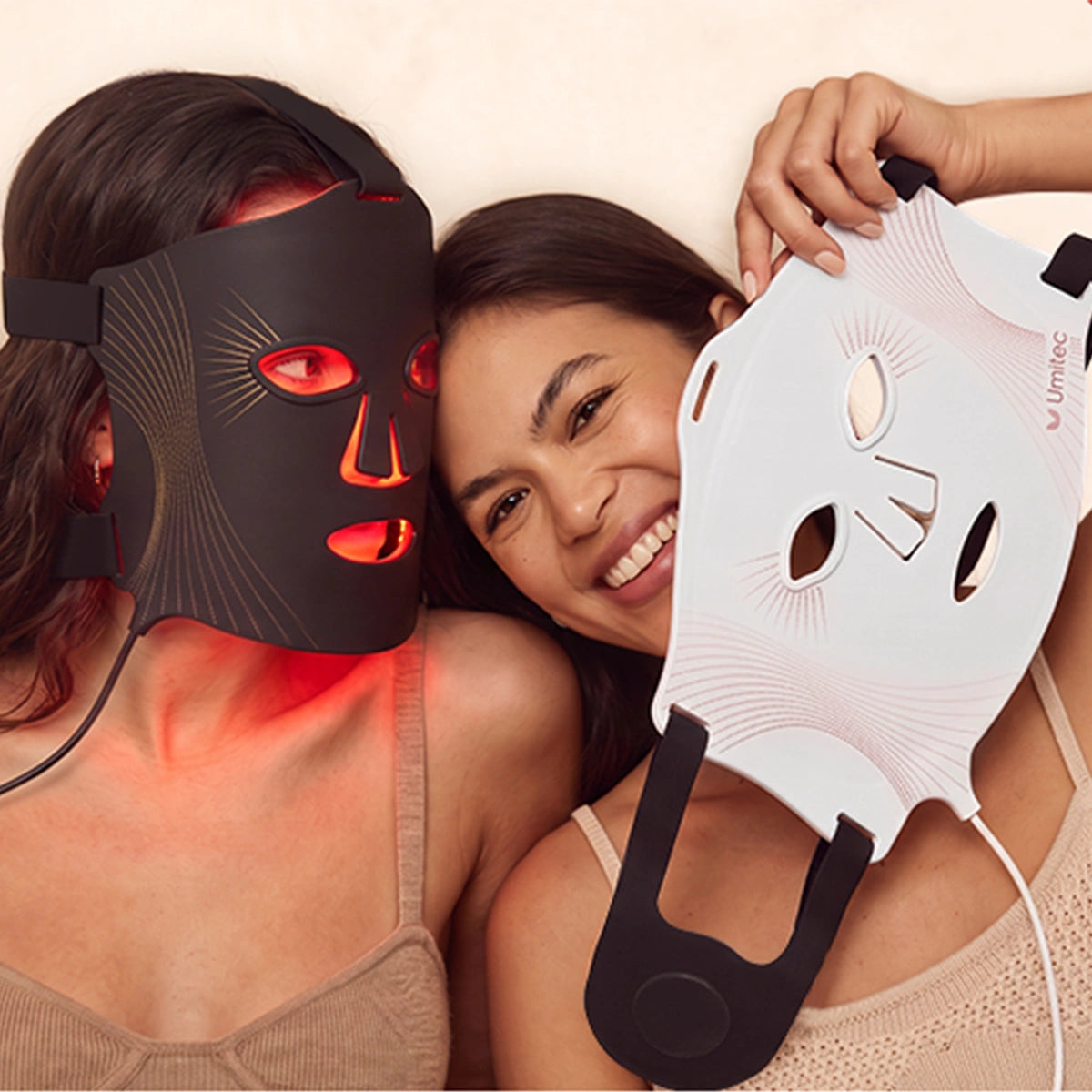

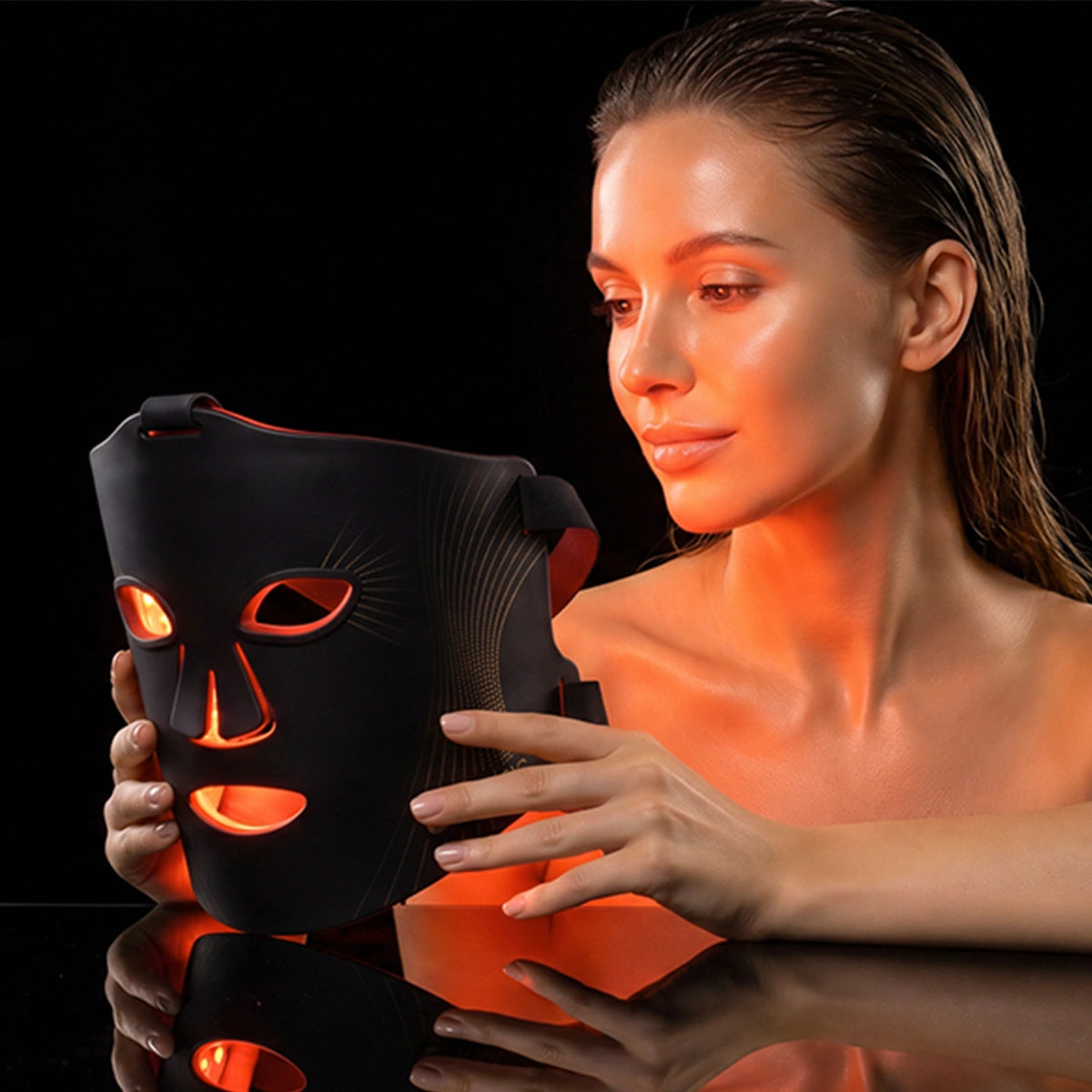
Acne-prone skin can be frustrating to manage. From excess oil and clogged pores to recurring breakouts and lingering marks, finding a skincare routine that works often takes patience.
LED light therapy has gained attention as a non-invasive addition to at-home skincare routines. In particular, blue light has been studied for its potential role in acne care, while red light has also attracted interest for its possible effects on skin inflammation.
But can LED light therapy really help acne-prone skin? Let's look at how different light wavelengths are studied, what the research suggests, and how to approach at-home LED treatments safely.
How Does LED Light Therapy Work for Acne-Prone Skin?
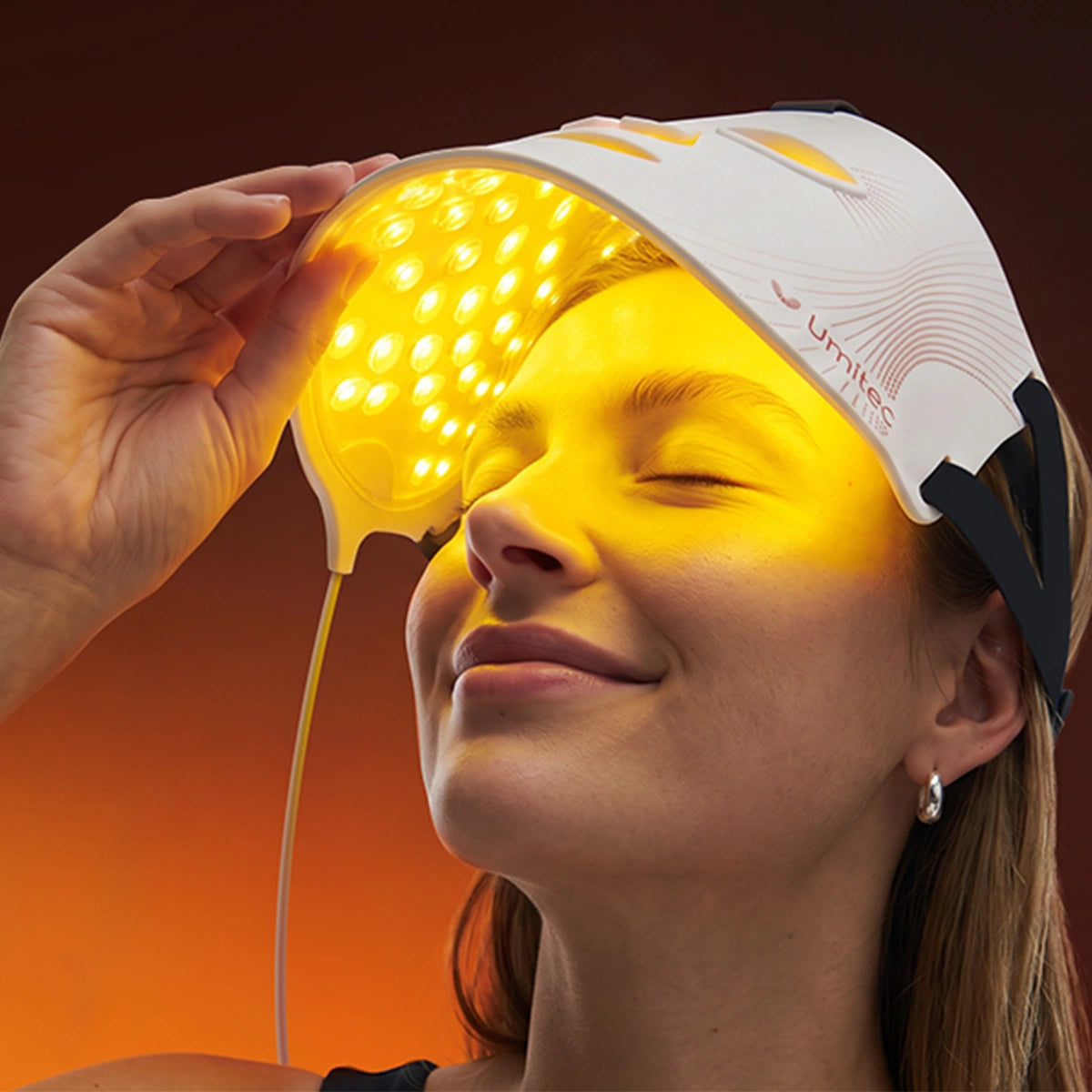
LED light therapy uses specific wavelengths of light to interact with the skin. Different wavelengths are studied for different skincare applications, which is why understanding the type of light matters.
Blue Light: A Focus on Acne-Related Bacteria
Blue light is one of the most studied LED approaches for acne-prone skin.
Certain wavelengths of blue light can activate porphyrins associated with Cutibacterium acnes (C. acnes), a bacterium involved in acne development. This interaction may generate reactive oxygen species that can damage the bacteria.
This is one reason blue light has attracted interest as a non-invasive option for people concerned about blemishes.
However, acne is a complex condition influenced by multiple factors, including hormones, excess sebum, clogged pores, and inflammation. Blue light should not be described as a treatment that directly controls oil gland activity or eliminates every cause of acne.
Can Red and Blue Light Work Together for Acne-Prone Skin?
Blue light is not the only LED approach researchers have explored for acne-prone skin. Some clinical studies have investigated combining blue and red light as part of a broader approach to acne care.
Blue light is studied for its interaction with porphyrins associated with C. acnes, while red light has been investigated for its potential effects on inflammatory responses.
The idea behind combining the two is to explore complementary effects: blue light targeting processes associated with acne-related bacteria, while red light may help address inflammation.
However, the evidence is still developing. Study results vary according to wavelength, treatment duration, device parameters, and participant characteristics. A red-and-blue combination should not be presented as a guaranteed or universally superior acne treatment.
It's also important to understand that not every LED mask offers a dedicated red-and-blue combination mode. Always check the actual light modes and treatment instructions of your device.
What Does the Research Say About LED Light Therapy?
Research into LED light therapy for acne has explored different wavelengths, treatment protocols, and combinations of light.
Some clinical studies have investigated blue light alone, while others have explored combining blue and red light. These studies suggest that LED phototherapy may have potential as part of an acne-care approach, but results can vary depending on the device, treatment parameters, and individual skin conditions.
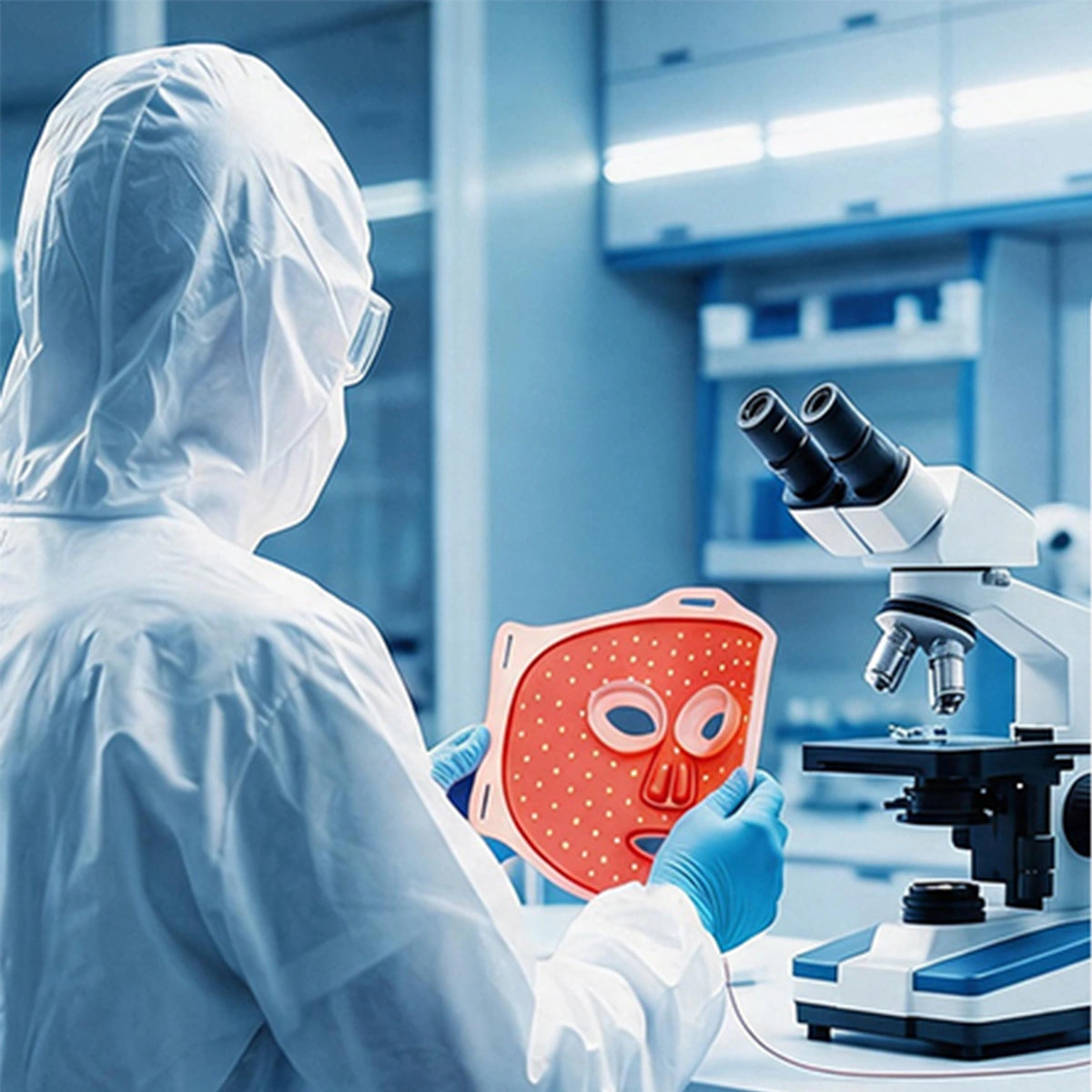
Beyond published research, a third-party study conducted by SGS, an independent testing and certification organization, evaluated skin-related changes following consistent LED light therapy use.
According to the reported results, 32 female participants aged 25–44 used LED light therapy over 28 days (Report No. GZCPCH25007349-01, dated October 20, 2025).
The reported results included:
| Assessment | Reported Change |
|---|---|
| Acne & acne marks | Reduced by 42.09% |
| Skin smoothness | Improved by 17.20% |
| Pigmentation / melanin | Reduced by 5.39% |
| Reported adverse reactions | 0 |
These findings provide additional information about the tested device and study conditions. However, they should not be interpreted as a guarantee of results for every user or as proof that one specific wavelength caused all the reported changes.
Individual results may vary depending on skin condition, treatment consistency, device settings, and other factors.
See our Full SGS Independent Testing Report →
How to Use an LED Mask for Acne-Prone Skin
Getting the most out of an LED mask is not about using it as often as possible. It's about following the correct treatment instructions and maintaining a consistent routine.
Here are a few practical tips:
-
Cleanse before treatment: Remove makeup, sunscreen, and excess oil before using your LED mask.
-
Choose a suitable treatment area: If blemishes are concentrated around your forehead, nose, or chin, targeted treatment may be more practical than treating your entire face every time.
-
Don't skip moisturizer: Oily skin still needs hydration. Consider a lightweight, non-comedogenic formula.
-
Follow the recommended schedule: Use your device according to the treatment frequency and session duration in the manufacturer's instructions.
-
Keep your mask clean: Regularly wipe the skin-contact surface according to the manufacturer's cleaning instructions.
-
Monitor your skin: If you experience persistent discomfort, unusual redness, or irritation, stop using the device and seek professional advice if needed.
Visible changes, if they occur, may take time. Results vary from person to person, so avoid expecting immediate improvements.
Who Should Check With a Professional Before Using LED Light Therapy?
LED light therapy may not be suitable for everyone. Check your device's safety instructions and consult a healthcare professional before use if you:
-
Take medications or use skincare products that increase light sensitivity.
-
Have a diagnosed photosensitivity condition or a condition that may be affected by light exposure.
-
Have an active skin infection, open wounds, or a significant skin condition in the treatment area.
-
Are pregnant or breastfeeding and have not confirmed whether the device is suitable for you.
-
Are under the minimum age specified by the manufacturer.
If you have persistent, painful, or severe acne, consult a dermatologist. At-home LED devices should not replace appropriate medical acne treatment.
A More Flexible Approach to At-Home LED Skincare
Acne-prone skin doesn't always have the same needs across the entire face. You may experience blemishes around the T-zone while also having different skincare concerns around your eyes, cheeks, or mouth.
This is where targeted LED treatment can offer more flexibility.
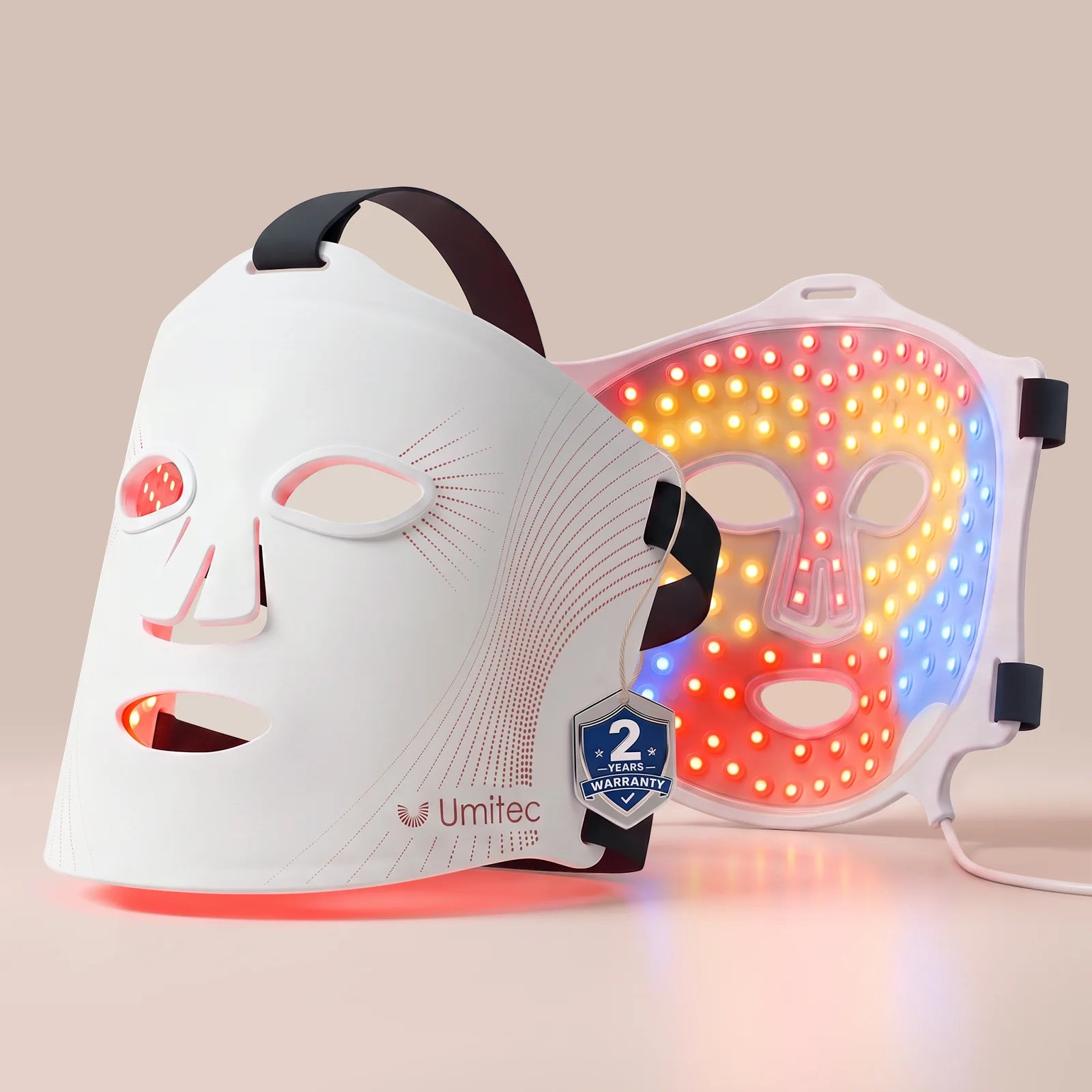
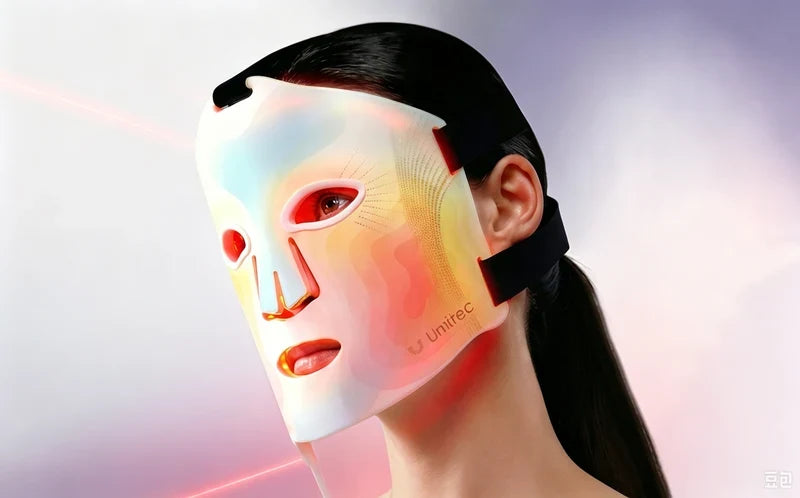
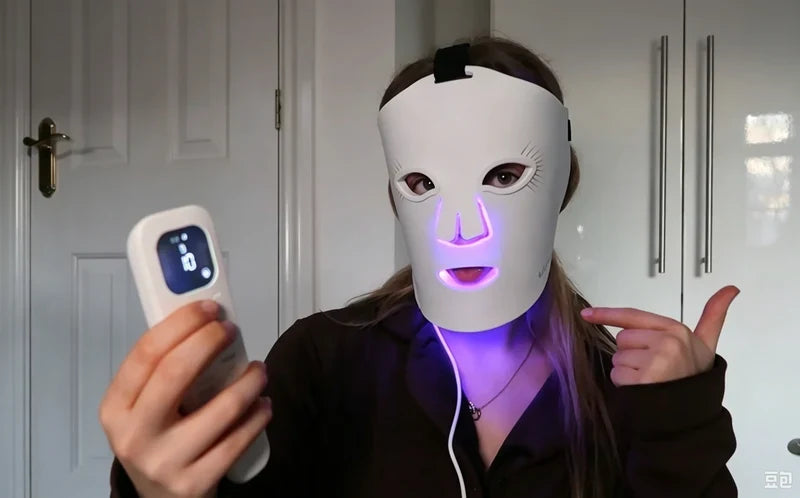
UMITEC ZoneCraft™ LED Face Mask Series 3 features four targeted facial treatment zones, as well as a full-face mode, allowing users to select different light settings according to their skincare preferences.
Its zone-based design includes:
-
T-zone: Blue light for targeted care in areas prone to blemishes.
-
Eye area: Red light + near-infrared light for anti-aging skincare.
-
Cheek area: Yellow light for targeted skincare.
-
Lip area: Yellow + red + near-infrared light for a combined skincare routine.
-
Full-face mode: For an overall LED skincare session.
With four light modes, three intensity levels, and a built-in eye mask, ZoneCraft offers a flexible way to incorporate LED light therapy into a 10-minute daily skincare routine.
Final Thoughts
LED light therapy is an area of ongoing research, particularly for people interested in non-invasive skincare options for acne-prone skin.
Blue light has been studied for its interaction with acne-related bacteria, while red and blue light combinations have also been explored in clinical research. However, LED therapy is not a guaranteed solution for acne, and its effectiveness can vary between individuals and devices.
The best approach is to understand what different light settings are designed for, follow your device's instructions, and maintain a skincare routine that supports your individual needs.
For persistent or severe acne, professional dermatological advice remains important.

Hinterlasse einen Kommentar
Diese Website ist durch hCaptcha geschützt und es gelten die allgemeinen Geschäftsbedingungen und Datenschutzbestimmungen von hCaptcha.