



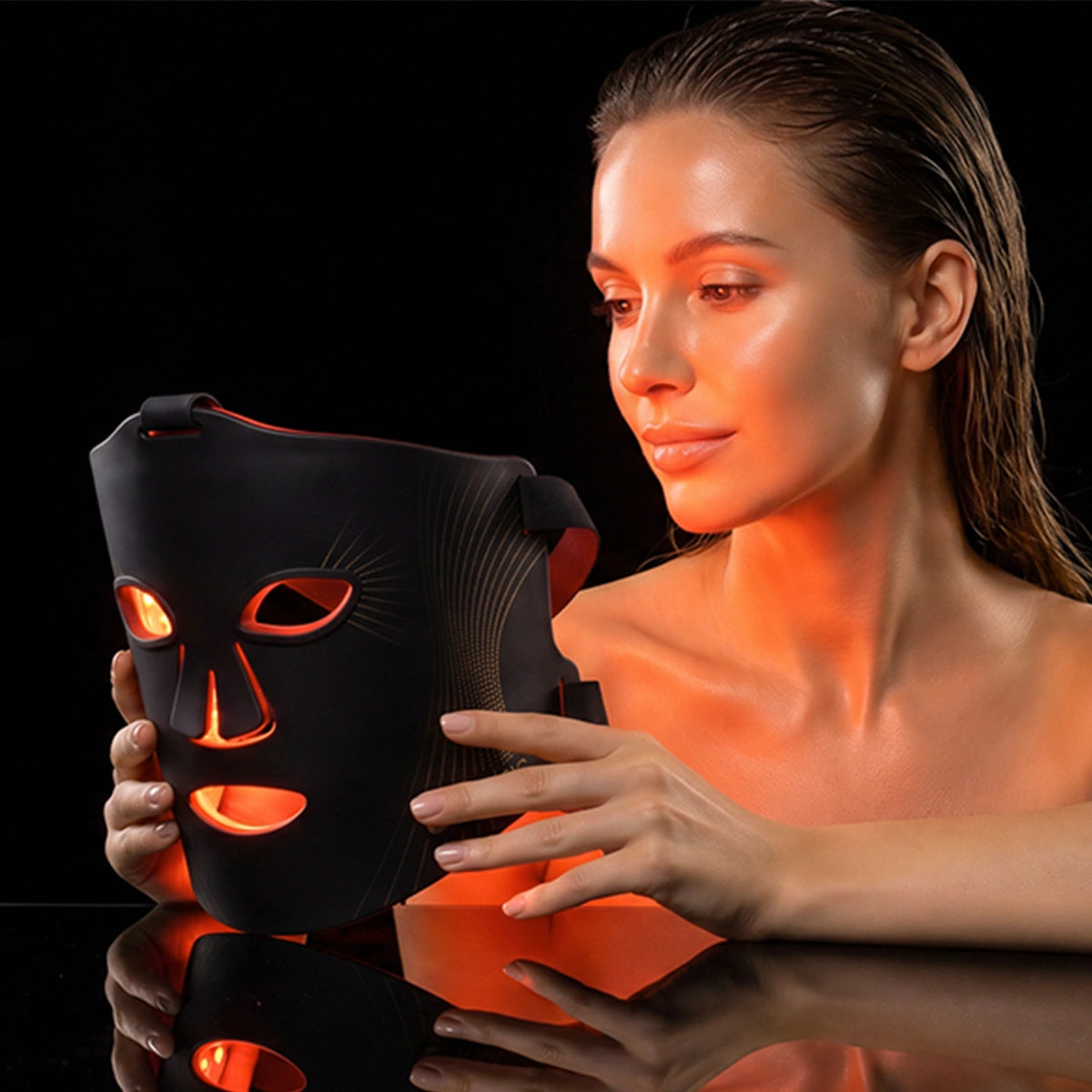
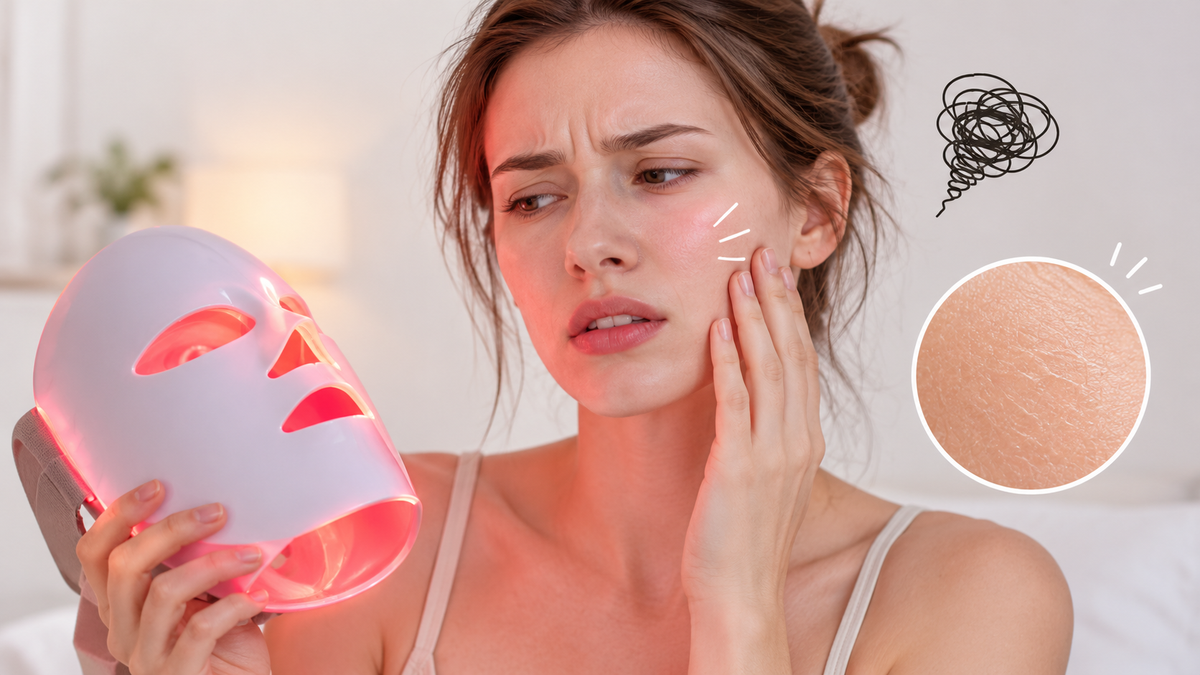
When your skin feels easily irritated, looks flushed, or seems less comfortable than usual, adding more active skincare products may not be the answer. Sometimes, a simpler routine focused on gentle cleansing, hydration, and sun protection is a better place to start.
LED light therapy is another option people explore as part of an at-home skincare routine. Different wavelengths have been studied for different skin-related applications, but the evidence varies by wavelength, device, and treatment protocol. Yellow LED light, in particular, should not be treated as a proven solution for every concern associated with sensitive skin.
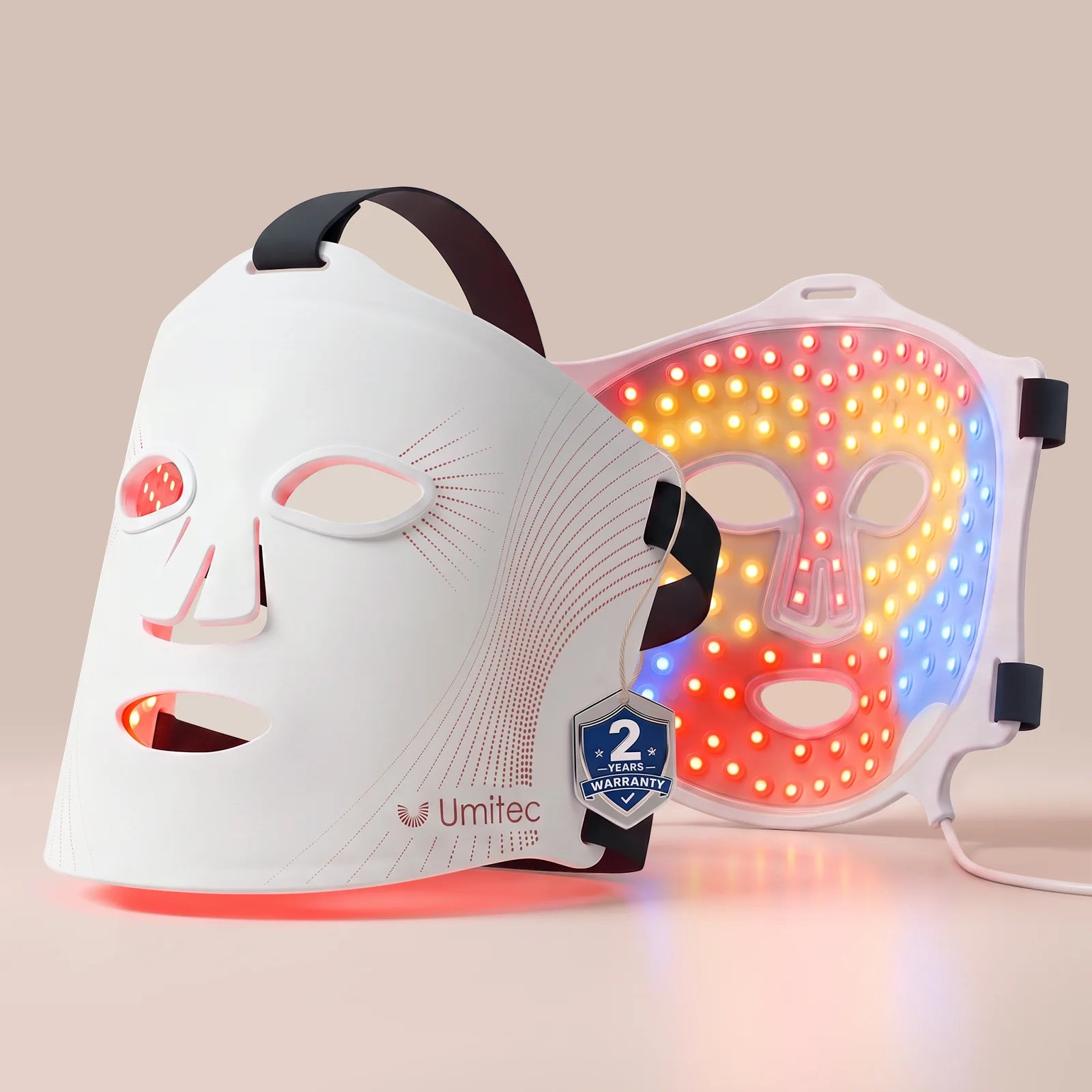
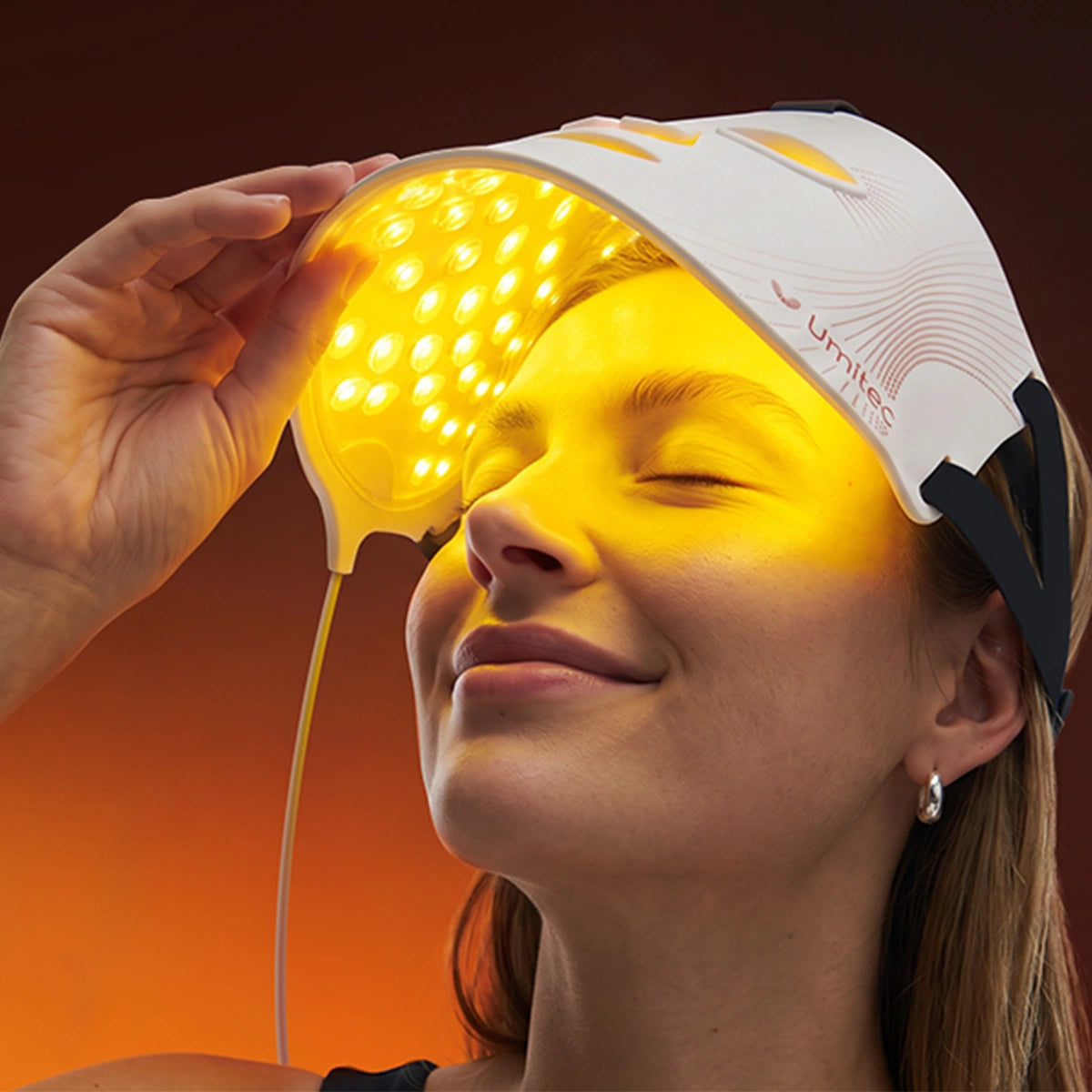
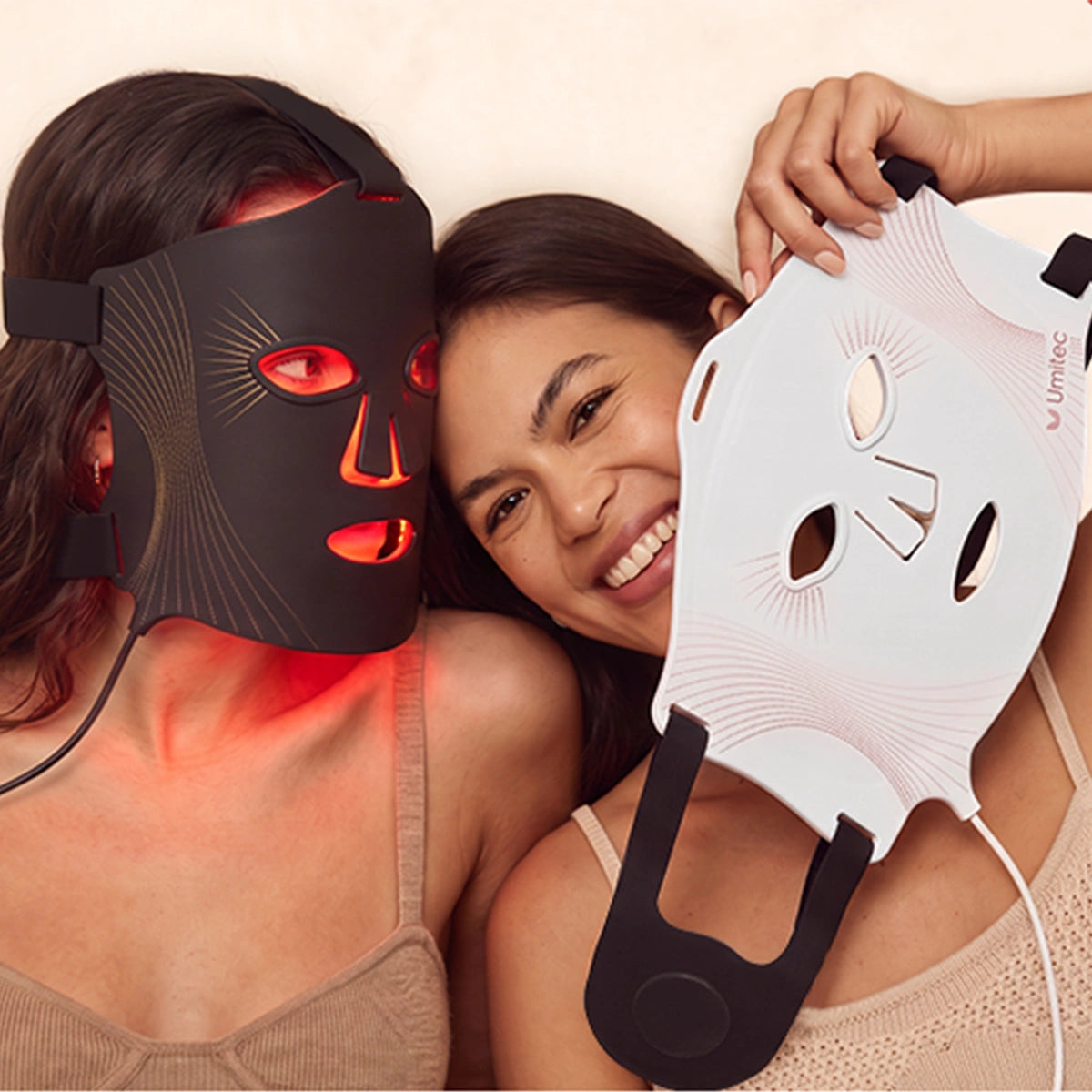
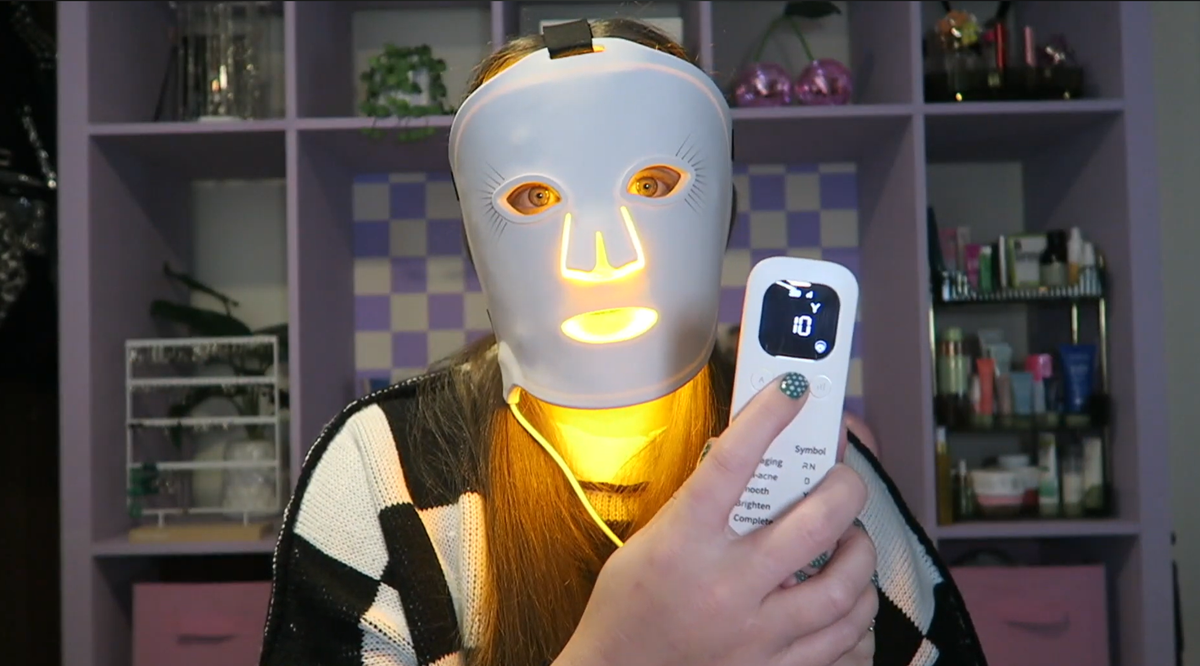
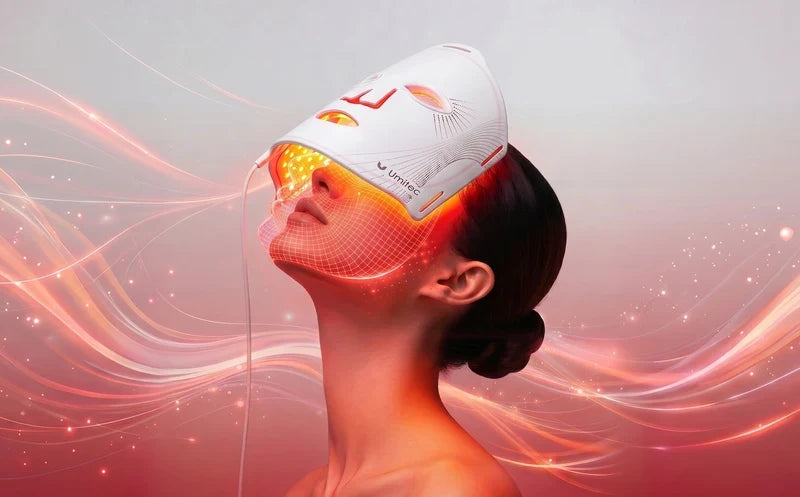
With UMITEC's ZoneCraft™ LED Light Therapy Mask Series 3, the yellow-light setting offers another way to personalize your skincare routine. Here's what to understand about yellow LED light, how to approach it thoughtfully, and what to keep in mind if your skin is easily irritated.
What Is Yellow LED Light Therapy?
LED light therapy uses light-emitting diodes to deliver specific wavelengths of visible or near-infrared light to the skin. Unlike ultraviolet radiation, visible LED light does not use UV wavelengths. However, the effects of a treatment depend on factors such as wavelength, dose, device design, and how it is used.
Yellow light is commonly associated with wavelengths around yellow-orange visible light, with approximately 590 nm often used as a reference in skincare discussions. That number should not be assumed to describe every yellow-light device or the exact output of UMITEC Series 3 without confirmation from its official technical documentation.
Researchers have explored yellow and other visible-light wavelengths for potential skin applications. However, evidence for a particular wavelength does not automatically establish that every device using that color can deliver the same results.
It is especially important to distinguish early research from proven benefits. Yellow LED light should not be described as a guaranteed way to repair the skin barrier, prevent moisture loss, or treat sensitive skin unless reliable evidence supports those specific claims.
What Can Yellow LED Light Do for Your Skin?
Yellow LED light is often discussed in the context of skincare routines intended to support a more comfortable-looking, radiant complexion. Here is how to interpret those potential benefits realistically.
1. Supporting a Gentle Skincare Routine
When skin feels sensitive, a complicated routine with multiple exfoliants or active ingredients can make it harder to identify what is causing discomfort.
An at-home LED mask may fit into a simple routine, provided you follow the device instructions and your skin tolerates it. However, yellow light itself should not be considered a replacement for barrier-supportive skincare.
For skin that feels dry or tight, focus first on a gentle cleanser, a moisturizer suited to your skin, and daily sun protection.
2. Caring for the Appearance of Redness
Yellow LED light is sometimes marketed for redness and soothing. Yet the strength of the evidence depends on the specific condition, wavelength, device, and treatment protocol.
Temporary redness can have many causes, including heat, sun exposure, irritation from skincare products, and underlying skin conditions. An LED mask should not be assumed to treat all of them.
If redness persists, worsens, or comes with burning, swelling, or discomfort, pause your treatment and consider seeking advice from a dermatologist.
3. Maintaining a Healthy-Looking Complexion
A radiant complexion depends on several factors, including hydration, sun protection, sleep, and a consistent skincare routine.
LED light therapy is being investigated for a range of skin applications, but there is not enough evidence to promise that yellow light will reliably improve skin texture or produce a visible glow for everyone.
Think of a yellow-light setting as one possible part of your skincare routine—not a shortcut to guaranteed results.
4. Keeping Expectations Realistic After Sun Exposure
After spending time outdoors, skin may feel warm, look red, or become uncomfortable. The priority is to avoid further irritation.
Move out of the sun, cool the skin gently, moisturize as tolerated, and protect the area from additional UV exposure. Do not use an LED mask as a substitute for sunburn care, and avoid treatment while your skin is painful, blistered, or actively inflamed.
There is insufficient evidence to promise that yellow LED light will accelerate recovery from sunburn. Allow irritated skin to settle before considering whether to resume your usual skincare routine.
Who Should Consider Yellow LED Light?
A yellow-light setting may interest people who want to explore different LED options as part of an at-home skincare routine. However, the color of the light alone cannot determine whether a device is appropriate for an individual's skin.
Before starting, consider the following:
-
Sensitive or reactive skin: Introduce new skincare steps cautiously. Sensitive skin can react to a device, its materials, or the routine surrounding its use.
-
Skin that feels dry or tight: Prioritize moisturizing and a simple routine. LED treatment does not replace hydration or barrier-supportive products.
-
Skin that looks temporarily flushed: Identify possible triggers first, especially heat, sun exposure, or recently introduced products.
-
Skin affected by active irritation: Wait until the skin has settled and follow the device's safety instructions before resuming treatment.
-
Persistent redness or a diagnosed skin condition: Ask a qualified healthcare professional whether at-home LED treatment is appropriate for you.
If you have a condition that makes you sensitive to light, take medication that can increase photosensitivity, or have concerns about eye safety, consult a healthcare professional and check the manufacturer's warnings before use.
How to Use Your UMITEC LED Mask Thoughtfully
A consistent routine begins with following the instructions for your particular device—not adopting a schedule simply because it appears in a general skincare article.
Step 1: Start With Clean Skin
Remove makeup and follow the cleansing instructions in your mask's user manual. Check whether the manufacturer recommends applying products before or after treatment; do not assume every skincare product is suitable for use underneath an LED mask.
Step 2: Select the Appropriate Setting
UMITEC Series 3 features four targeted facial zones—T-zone, eye area, cheeks, and lip area—as well as a full-face mode. Choose the setting according to the device instructions and your intended routine.
Do not assume that yellow light is automatically the safest setting for sensitive skin. The appropriate mode depends on the device's documented use, individual tolerance, and any relevant safety precautions.
Step 3: Follow the Official Treatment Instructions
Use the treatment duration and frequency specified in the Series 3 user manual. Do not automatically follow a generic recommendation such as three to five sessions per week unless that schedule is supported by the manufacturer's instructions.
More frequent use does not necessarily produce better results. Stop using the device if you experience discomfort, unexpected irritation, or other concerning symptoms.
Step 4: Keep Your Aftercare Simple
After treatment, use a gentle moisturizer if appropriate for your skin. During the day, continue to apply broad-spectrum sunscreen as directed.
If you are introducing an LED mask and a new active ingredient at the same time, consider introducing them separately. This can make it easier to identify the cause if irritation develops.
Is Yellow LED Light Safe for Sensitive Skin?
No LED wavelength should be described as universally safe for every person or every skin condition. Suitability depends on the device, its instructions, individual health factors, and correct use.
Before using UMITEC Series 3, read its official safety instructions and follow all precautions concerning treatment duration, eye protection, photosensitivity, and use on irritated skin.
A statement that a device was tested by SGS does not, by itself, establish that it is clinically proven to treat sensitive skin or that every user will experience no adverse reactions. Any claim about clinical testing, participant numbers, or reported adverse events should be checked against the actual report, including the device tested, study protocol, outcomes, and limitations.
If your skin becomes increasingly red, itchy, swollen, painful, or uncomfortable during or after use, stop treatment. Seek medical advice if symptoms persist or are severe.
Building a Strong Foundation for Skin Health
Healthy-looking skin is supported by everyday habits: gentle cleansing, appropriate moisturizing, sun protection, and avoiding products or treatments that repeatedly irritate your skin.
Yellow LED light is an area of ongoing skincare interest, but its benefits should be considered in the context of the available evidence and the specific device being used. It should not be presented as a proven treatment for a compromised skin barrier, sunburn, or persistent redness without adequate supporting research.
UMITEC's ZoneCraft™ approach offers targeted and full-face treatment options within one mask. By following the official instructions, keeping your routine simple, and paying attention to your skin's response, you can make more informed decisions about whether LED light therapy belongs in your skincare routine.
ZoneCraft™ LED Light. Restore Your Glow.

Hinterlasse einen Kommentar
Diese Website ist durch hCaptcha geschützt und es gelten die allgemeinen Geschäftsbedingungen und Datenschutzbestimmungen von hCaptcha.