

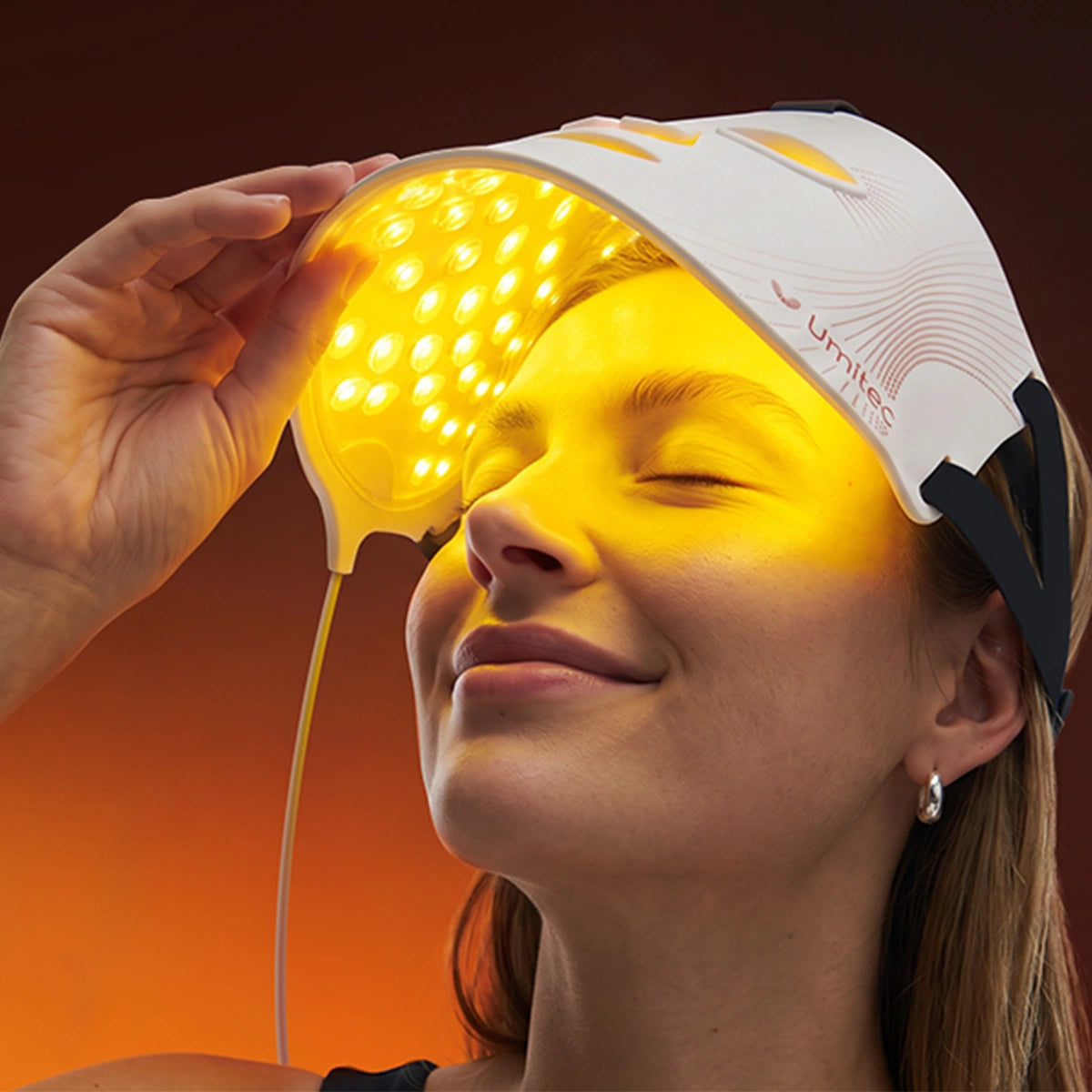
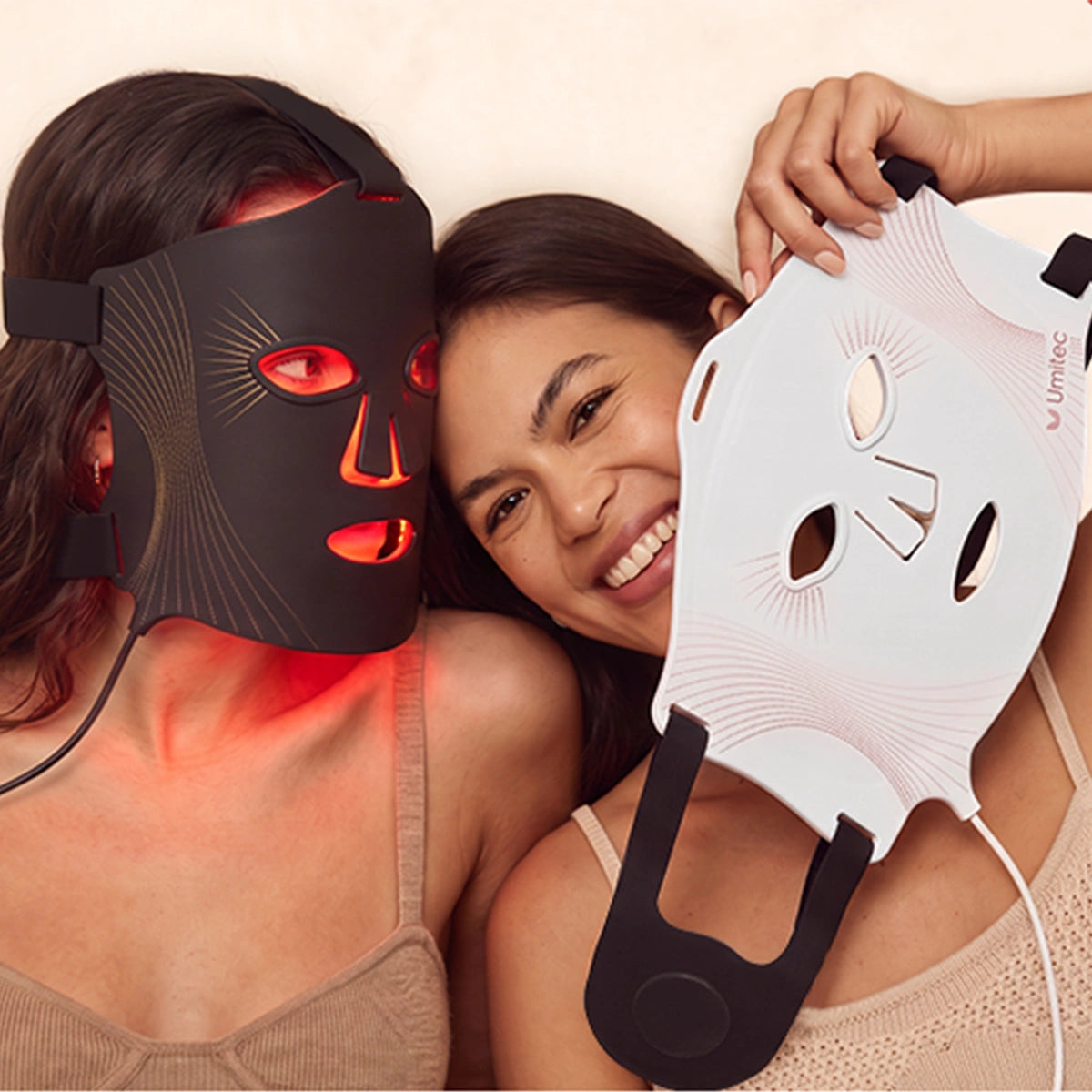

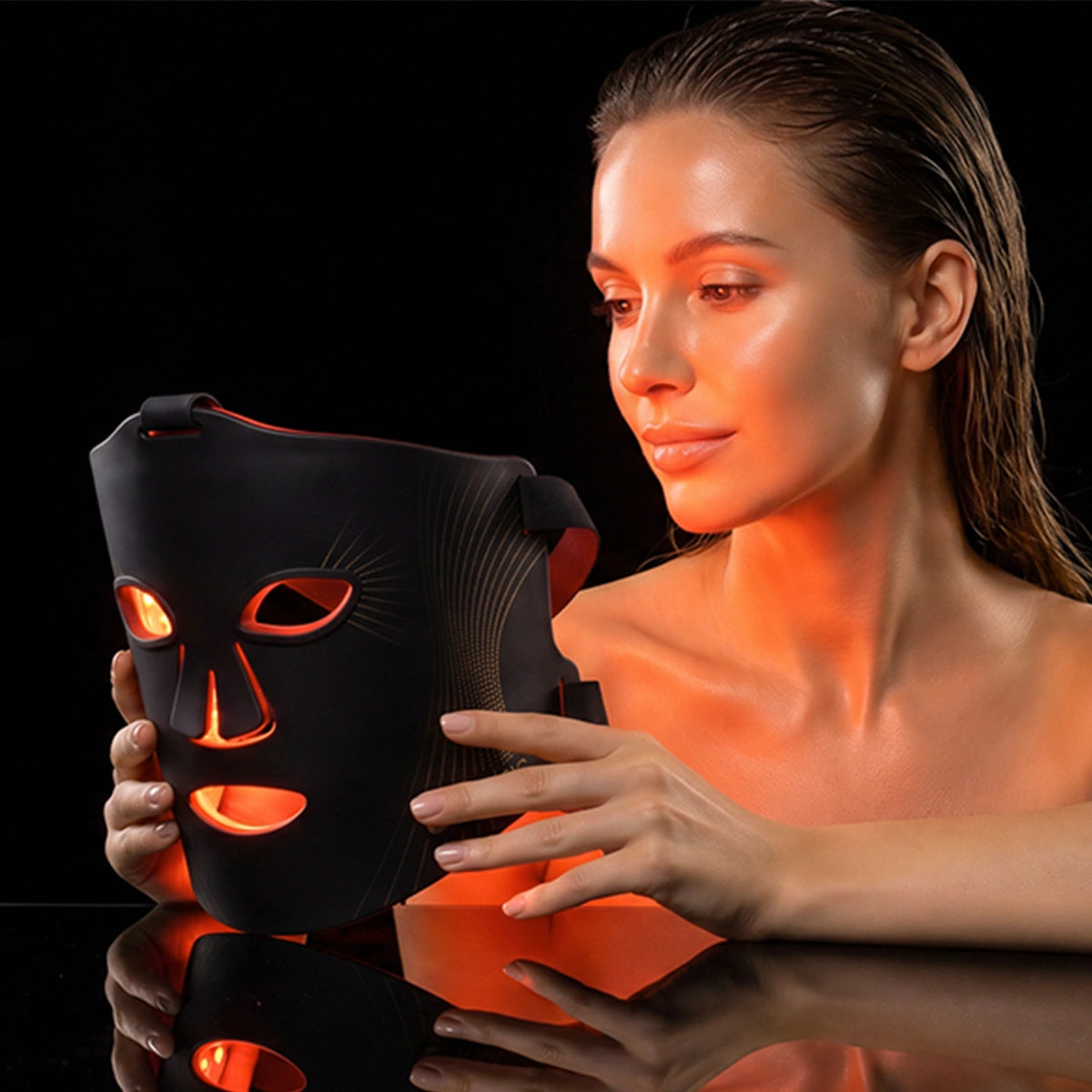
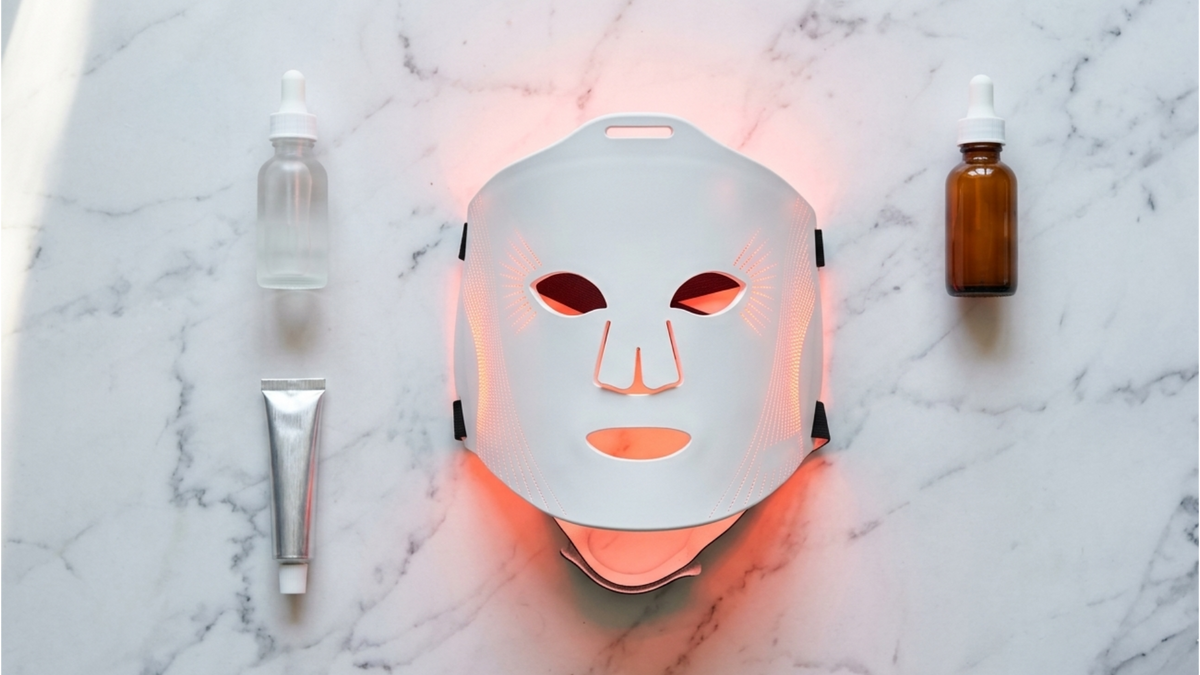
LED light therapy is a popular part of many at-home skincare routines. But if you've recently had Botox, dermal fillers, microneedling, a chemical peel, or another aesthetic procedure, you may be wondering when it is safe to use your LED face mask again.
The answer is not the same for every procedure.
After an aesthetic treatment, your skin may be swollen, bruised, irritated, peeling, or temporarily more sensitive. Some procedures also involve injectable products or controlled skin injury. Adding an at-home LED treatment before your skin has recovered may not be appropriate.
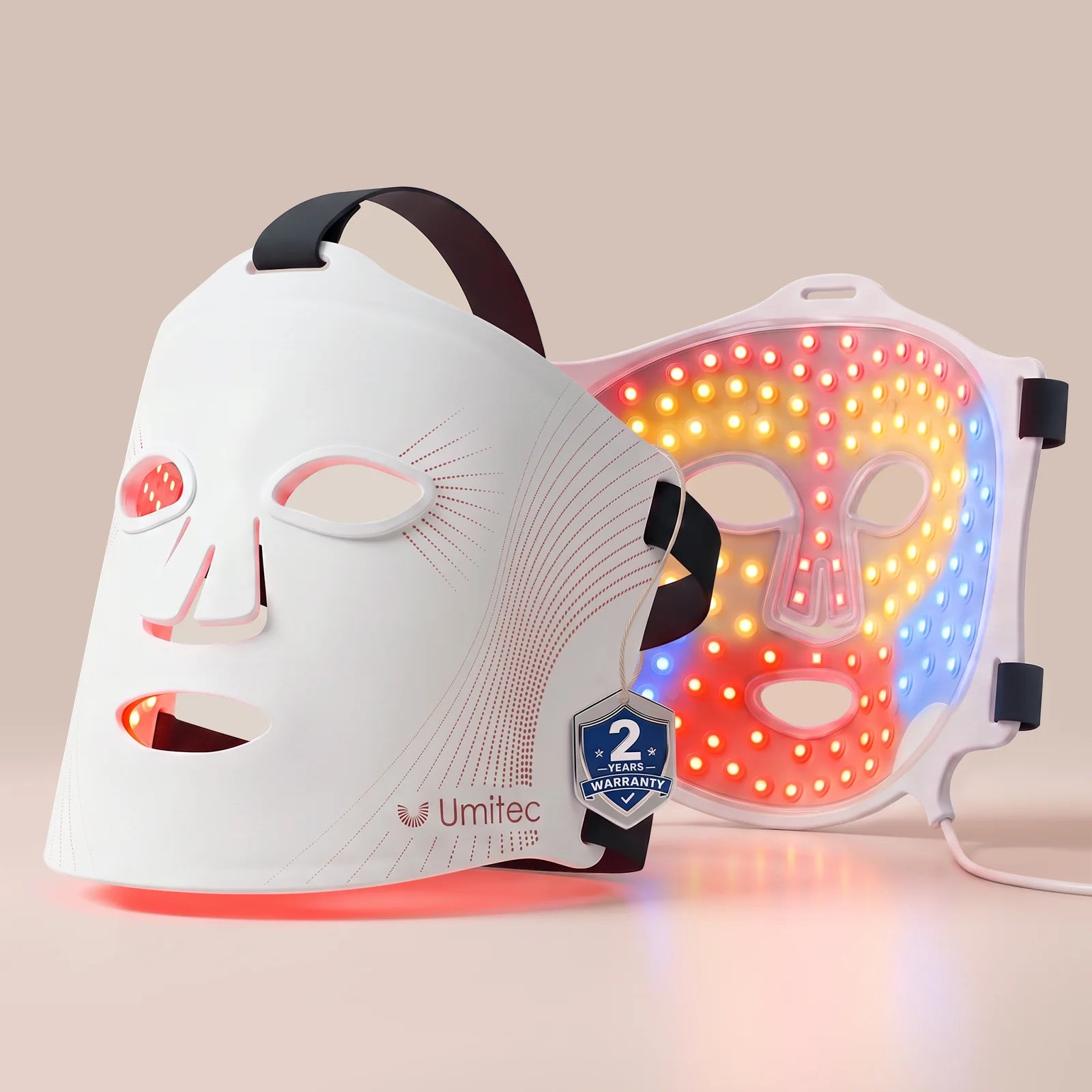
Before using your UMITEC LED Mask after any professional treatment, follow your practitioner's aftercare instructions and check the device manufacturer's safety guidance. A general online timeline should never replace individualized medical advice.
Why Should You Be Careful With LED Therapy After Aesthetic Treatments?
LED light therapy uses specific wavelengths of light, and different devices have different technical specifications and treatment protocols.
After an aesthetic procedure, however, the skin may be in a temporary recovery phase. Its condition depends on the treatment performed, the depth of treatment, individual skin response, and whether complications have occurred.
There are several reasons to be cautious:
-
Temporary skin sensitivity: Redness, tenderness, swelling, and irritation may make the skin less tolerant of additional treatments.
-
Disrupted skin surface: Procedures such as microneedling and chemical peels can temporarily compromise the skin barrier.
-
Injection-site recovery: Injectables may leave bruising, swelling, and tenderness that require specific aftercare.
-
Different device specifications: An LED mask's light output, treatment duration, fit, and contact with the face may differ from professional devices used in clinical settings.
The fact that LED light therapy is non-invasive does not automatically mean it is suitable immediately after every aesthetic procedure.
Procedure-by-Procedure: What Should You Know?
There is no universally established waiting period for every at-home LED mask following these procedures. The following guidance explains the main considerations, rather than providing medical clearance or fixed treatment intervals.
1. Botox and Other Botulinum Toxin Injections
Botulinum toxin injections are used to temporarily reduce the activity of selected facial muscles.
After treatment, your practitioner may give you specific instructions about facial pressure, massage, exercise, and other activities. Follow those instructions carefully.
Before restarting LED therapy, ask your injector:
-
When can you resume using a facial device?
-
Is the mask's fit or contact pressure appropriate for the treated areas?
-
Should you wait until swelling, bruising, or tenderness has resolved?
Do not assume that a mask is safe simply because it does not use needles. Its fit and contact with the treated areas may still matter.
2. Hyaluronic Acid Dermal Fillers
Dermal fillers are injected into specific areas to add volume or improve facial contours.
Temporary swelling, bruising, and tenderness may occur after treatment. Your practitioner may recommend avoiding certain types of facial pressure or manipulation while the treated area settles.
Before using an LED mask, confirm that:
-
Injection sites have recovered sufficiently.
-
The mask will not put unwanted pressure on treated areas.
-
Your injector has approved the device and its use after the procedure.
If you experience unusual pain, increasing swelling, skin discoloration, or changes in vision after filler treatment, seek urgent medical assessment rather than using an LED device.
3. Superficial Chemical Peels
Chemical peels use exfoliating agents to remove or loosen layers of the skin, depending on the formulation and treatment strength.
Even a superficial peel can temporarily cause dryness, redness, sensitivity, or peeling.
Wait until your skin has recovered according to your practitioner's instructions. Do not use an LED mask on skin that is still stinging, actively peeling, unusually tender, or visibly irritated unless your treating professional has specifically approved it.
4. Medium-Depth and Deep Chemical Peels
Medium-depth and deep peels can cause more substantial skin injury and require more careful aftercare.
The recovery period varies depending on the peel formulation, depth, individual healing, and medical supervision.
Do not rely on a general waiting period such as 72 hours or seven days to decide when to restart LED therapy. Your treating physician should determine whether the skin has healed sufficiently and whether an at-home LED mask is appropriate.
Never use a mask over open, raw, blistered, or incompletely healed skin.
5. Microneedling
Microneedling creates controlled micro-injuries in the skin. Temporary redness, sensitivity, and pinpoint bleeding may occur, depending on the treatment depth and technique.
Although LED light therapy has been investigated in skin-care research, evidence involving professional LED equipment should not automatically be applied to every consumer mask or microneedling protocol.
Before restarting your mask, ask your practitioner whether the skin has recovered enough for additional light treatment. Do not use the device while the skin is still bleeding, open, unusually sensitive, or showing signs of infection.
6. IPL and Laser Treatments
Intense pulsed light (IPL) and laser treatments use light-based energy to target specific skin structures.
The expected recovery response varies considerably by device, treatment settings, and indication. Some treatments cause temporary redness and sensitivity; others may result in crusting, swelling, or changes to the skin surface.
Do not assume that a second light-based treatment is appropriate simply because it uses a different wavelength.
Ask the professional who performed your IPL or laser treatment when you can safely resume at-home LED therapy. Wait until the skin has recovered as instructed, and do not treat areas that remain irritated, blistered, crusted, or painful.
How to Resume LED Therapy After Your Skin Has Recovered
Once your treating professional has confirmed that you can resume at-home LED therapy, take a cautious approach.
Step 1: Confirm That You Have Medical Clearance
Check with the professional who performed your procedure. Tell them which LED mask you use and provide its manufacturer instructions if needed.
Step 2: Review Your Device Instructions
Check the UMITEC Series 3 user manual for treatment duration, intensity settings, eye protection, and contraindications.
Do not assume that a shorter session or lower intensity automatically makes post-procedure use safe.
Step 3: Make Sure Your Skin Has Recovered
Do not resume treatment while the treated area is open, blistered, bleeding, actively peeling, unusually swollen, or painful.
Step 4: Follow the Approved Routine
If your practitioner approves use, follow the device's official instructions. Do not create a new treatment schedule or combine multiple modes based on generic online recommendations.
Step 5: Stop if You Notice a Reaction
Stop using the mask if you experience unexpected discomfort, increased redness, swelling, or irritation. Contact your treating professional if symptoms persist or worsen.
When Should You Avoid Using an LED Mask?
Regardless of the procedure you have undergone, do not use your LED mask without professional guidance if you have:
-
Open wounds or incompletely healed skin.
-
Blistering, crusting, or active bleeding.
-
Significant or worsening swelling.
-
Persistent pain or unusual skin discoloration.
-
Signs of infection.
-
A condition or medication that increases sensitivity to light.
If you experience severe or unexpected symptoms after an aesthetic procedure, contact your treating professional promptly. Seek urgent medical care for warning signs such as vision changes or severe, rapidly worsening pain after facial injections.
Frequently Asked Questions
Can I use an LED face mask immediately after Botox?
Do not assume immediate use is appropriate. Follow your injector's aftercare instructions and ask when facial devices can be resumed, taking the mask's fit and contact pressure into account.
Can LED light therapy help after microneedling?
LED therapy has been studied in various skin-care contexts, but that does not establish that every at-home mask is suitable immediately after microneedling. Ask your practitioner before restarting treatment.
Is red light safer than blue light after an aesthetic procedure?
You should not assume that one color is automatically safe after a procedure. Suitability depends on the device, treatment settings, skin condition, and your practitioner's instructions.
Can I use an LED mask if my skin is still peeling?
Avoid using the mask on actively peeling, raw, or irritated skin unless your treating professional has specifically approved it.
Can I follow a general online waiting-time chart?
No. Recovery varies between people and procedures. A general chart cannot account for treatment depth, complications, individual healing, or the specifications of your device.
The Bottom Line: Let Your Skin Recover First
An at-home LED mask can be part of a regular skincare routine, but the timing matters after professional aesthetic treatments.
Botox, fillers, chemical peels, microneedling, IPL, and laser procedures each have different aftercare considerations. There is no single waiting period that applies to all of them.
Before returning to LED therapy, follow your treating professional's instructions, check the manufacturer's safety guidance, and make sure your skin has recovered sufficiently.
Your skincare routine should support your skin—not rush its recovery.

Laisser un commentaire
Ce site est protégé par hCaptcha, et la Politique de confidentialité et les Conditions de service de hCaptcha s’appliquent.